Shiba Inu shedding are fantastic! Of course, your Shiba seems as excited as ever to be shedding so much fur, but you might be slightly less excited by the experience. Today we’ll see how Shiba Shedding can be managed with the right tools and know-how.
Shiba Inus shed year round and then shed dramatically twice a year. The steady year-round shedding is the undercoat renewing itself, and the two big events, in spring and fall, are the coat blows, when the dog swaps its winter and summer undercoats and drops fur in clumps for two to four weeks. There is no version of a Shiba that does not shed heavily, so the real question is how you manage it, not whether it happens.
Managing it comes down to brushing on a rhythm, stepping that rhythm up during the blows, and keeping the dog healthy so the coat sheds normally. Bathing does little for shedding, and shaving is never the answer. If you want a low-shedding dog, a Shiba is the wrong breed, and that is worth knowing before you commit.
The short version, in four parts:
- Shibas shed lightly year round and heavily during spring and fall coat blows.
- Each blow lasts roughly two to four weeks and drops undercoat in clumps.
- Brushing manages it; bathing does little and shaving harms the coat.
- A sudden change in shedding, with bald spots or bad skin, is a vet issue, not grooming.
How often do Shiba Inus Shed?
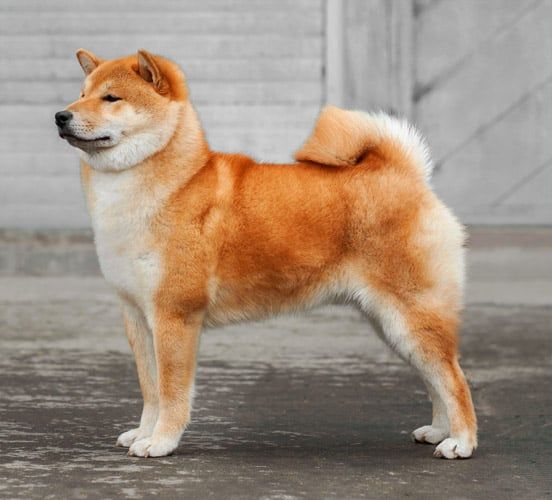
While the Shiba Inu is indeed a clean animal, it does shed – abundantly. In fact, the dog sheds to some degree throughout the year and blows coat (sheds a lot) twice a year. When the dog blows coat or sheds its furry and soft undercoat, be prepared, as the dog’s hairs will settle on furniture and clothing.
In fact, you may think your companion dog has gotten sick, as it will look like it has lost a good deal of weight. However, after shedding season is over, your Shiba will grow back its soft undercoat and look like that lovable teddy bear you have come to know over time.
The Shiba Inu breed is double-coated, meaning that it has a soft undercoat of hair along with a more long and rigid overcoat. Dogs with this qualification shed heavily twice a year, and for Shibas this lasts for a period of three weeks. If it isn’t properly managed, by the end of the three weeks your fur covering may make it difficult for strangers to distinguish the Shiba from the human. Thankfully, after three weeks things should be back to normal.
DIY Shiba Inu Grooming
To make sure shedding does not get too out of control, you need to brush your dog two or three times a week when it heavily sheds. This will neutralize the shedding, so it is more manageable. Also, give the dog a bath during this time for the same reason. You don’t want to bathe the dog too often, as doing so can dry out its fur and coat. Outside of shedding, the Shiba is one companion dog that is easy to groom. Therefore, DIY dog grooming is often a cinch, provided your Shiba does not put up too much of a protest.
Shiba Grooming Tools
There are several things you’ll want to keep on hand for when you encounter the Shiba shedding season:
- Shiba shampoo
- Gloves, brushes and tools
- A healthy diet, especially one supplemented by omega-3 (fish oil)
You may also want to look into getting a good vacuum that is built to handle pet fur.
How to Shiba Inu shedding

Once your Shiba’s coat starts blowing away, it’s time to take action. If you nip the problem in the bud there will be much less to clean up afterward.
Begin grooming your Shiba frequently with the appropriate brushes to remove loose hair and to apply omega-3 oils with the likes of a slicker brush.
Make sure your Shiba is bathing more frequently than normal to help loosen its coat. Be aware that the shedding will become worse after bathing, so be prepared for extra cleaning, vacuuming and sweeping.
Tips for a fur-free home
Most of us would prefer our Shiba to be the one thing in the house with fur. To avoid fur ending up in every carpet, couch, nook, and cranny try to create an environment that does not facilitate fur buildup.
For example, use carpets and furniture with smooth fabric rather than hairy or thick-textured types where fur can get matted up. Keep your clothes and other items in closed closets, and keep fur cleaning tools handy.
Create Some Boundaries
The dog cleans itself like a cat and does not give off a doggy odor, so you can wipe down the fur to distribute oils in the coat and keep your companion dog clean. When the dog begins to shed, try to relegate it to certain parts of the home, so you don’t have its furs floating all over the place.
Have Your Family Be Aware
Regularly vacuum the house to reduce sneezing and sniffling.
If you are someone who is quite susceptible to allergies and have been thinking of getting a dog, you may find it difficult to endure the shedding season on your own. It would be good to come to an agreement with your family on who can help brush and take care of your Shiba, if you have a family member who is particularly allergic or sensitive.
Section Off an Area in the Home
When you first adopt a Shiba puppy, you may want to section off an area where your dog can roam, keeping the problem with shedding in mind. By the time the dog is blowing coat, you will have its inside territory marked, so the fur will collect in certain areas of the home. You might also think about placing a dog house in the yard – one that is large and can be placed in the shade, close to a patio area.
Keep Your Shiba Outside Some of the Time
Shedding does not seem quite as pronounced if your dog can stay outside part of the time. Just make sure the dog is leashed and that the yard is fenced. A Shiba has a sense of wanderlust and also likes to chase small prey. This is natural for the dog, as it has basal instincts – wild dog traits that are part of its personality.
Higher Thread Counts Are Better
To keep the fur from building up on your clothing or indoor fabrics, keep away from textured materials and knits. Dog hair can easily settle and stick to these fabrics. In fact, the thread count affects just how much Shiba hair clings to the material. While higher thread counts soften a fabric, the tightly woven nature of the material will repel dog hair and dust.
Shed-resistant Materials
Micro Suede
One pet-friendly, anti-shed material is micro suede, as it is non-woven, stain-resistant, and easy to clean and maintain. It also breathes like cotton and is soft and washable. It even becomes softer as you wash it. Removing shed Inu hair is therefore a breeze.
Leather
While Inu hair will not stick to leather, it will sit on the surface until you clean it. You should also condition leather to keep it from cracking and attracting hair. If you have a leather couch, vacuum it and use a damp cloth to catch any remaining hairs.
Moleskin
Moleskin is also Shiba-friendly. The material is a soft and durable cotton fabric, provided it is not washed too often. You can shake dog hair from moleskin covers by giving them an aggressive shake.
Microfiber
Microfiber is yet another material you can use when you have a shedding Shiba companion dog. The fibers are woven so tightly that it keeps pet hairs from sticking. In addition, the fibers are less prone to breakage and are mold-resistant as well.
Denim
You can also get some mileage out of denim. While some pet hairs will cling, you can wipe them away with a lint brush or a damp cloth. In fact, it is probably a good idea to keep several lint brushes at certain spots around the house to keep everything spic-and-span clean.
Linen
Another recommended fabric is linen – a material that is super absorbent and dries super-fast. The weave of the material prevents any build-up of Inu hairs.
Every Shiba Inu and Shiba owner must go through shedding season twice a year. However, you don’t have to look at shedding as a trial if you are prepared. Once you adopt a Shiba dog, you will take on a new lifestyle – one where you will have to make your home more resistant to shedding.
Vacuum Daily
Therefore, shedding does not have to be a hassle. You just need to learn how to cope with the extra pet hairs. As long as you keep your companion dog inside certain areas and wear and use shed-resistant materials, you’ve got most of the situation under control. Vacuum daily. You might even think of investing in a couple robotic vacuums to take up any slack.
When it comes to stick-to-itiveness, you want to focus on those things that will keep the collection of shed hair to a minimum. That kind of “doggedness” and determination will help you cope with any type of shedding. Remember, your companion dog is also a clean animal, so its shed hair will be fairly clean too. Plus, the Shiba does not emit a doggy odor. Therefore, shedding is really the main thing in which to direct your energies with respect to regular care.
The Best Tip: A Happy, Healthy Shiba Inu
Finally, make sure your Shiba is eating a healthy diet rich in omega-3s, especially at this time. Your Shiba also must remain well-hydrated to keep her skin from becoming over-dry. There are plenty of over-the-counter supplements you can get at your local pet store to help support your happy, healthy Shiba Inu.
A year-round plan for managing Shiba shedding
Shedding is predictable, which means you can plan for it. Think of the year in five modes, each with its own workload.
- The year-round baseline. Outside the coat blows, a Shiba sheds a steady, moderate amount as the undercoat renews. A weekly brush with a slicker and comb keeps loose hair off your furniture and stops the undercoat from packing down. This is the easy stretch, and skipping it is what makes the blows worse.
- The spring blow. As the weather warms, a Shiba dumps its dense winter undercoat to move into a lighter summer coat. This is the heaviest shed of the year, and for two to four weeks you brush nearly daily with a deshedding tool and undercoat rake to stay ahead of it.
- The fall blow. In fall the process reverses as the dog grows its winter undercoat back and sheds the summer one. It is usually a bit lighter than spring but still a daily-brushing period. Getting ahead of it early keeps the mats from forming.
- Health and diet's role. A well-fed, healthy Shiba sheds a normal, manageable amount. Poor nutrition, dehydration, stress, or parasites can push shedding beyond normal and dull the coat. The coat is a readout of overall health, so a bad coat is often a signal, not a grooming failure.
- Abnormal shedding. Shedding that comes with bald patches, red or flaky skin, or a sudden change in volume outside the normal seasons is a veterinary matter. Allergies, thyroid issues, and skin infections all show up in the coat. Do not brush harder to fix it, get it checked.
A heavy-shedding adult we boarded during a spring blow was dropping so much undercoat that the owner worried the dog was sick. It was not. It was a healthy dog on schedule, and daily deshedding for about two weeks cleared the bulk of it. That is the normal arc of a blow. If you are still deciding whether you can live with this twice a year, our honest guide on whether a Shiba Inu is right for you does not soften it, and for the seasonal specifics see our piece on Shiba shedding season.
What we have seen since 2019
Across 250-plus Shibas placed and boarded since 2019, shedding is the single most underestimated part of Shiba ownership. People read "double coat" and picture some extra vacuuming, then meet their first spring blow and understand. The owners who cope well are the ones who accepted the reality up front and built a brushing habit. The ones who struggle are usually the ones who expected the shedding to be a phase that passes. It does not; it is the breed.
What worked across the dogs in our care: a consistent weekly brush all year, then daily during the blows, and a good vacuum kept within reach. What did not work: bathing to control shedding, which mostly just wets the hair, and any thought of shaving, which harms the coat without reducing the shed. When shedding looked genuinely abnormal, patchy loss or irritated skin, the right move was always a veterinarian, because that is a health signal rather than a grooming problem.
Owners who travel during a coat blow can hand the worst of it to us. Dogs in our in-home boarding get brushed daily through a blow, so instead of coming home to a felted coat and a fur-covered house, you come home to a dog that has already been deshedded on schedule.
Common followup questions
Do Shiba Inus shed a lot?
Yes. Shibas shed moderately year round and very heavily during two seasonal coat blows in spring and fall, when they drop their undercoat in clumps for a few weeks. There is no low-shedding Shiba. If minimal shedding is a priority for your household, this is the wrong breed, and no amount of grooming changes that.
How long does a Shiba Inu coat blow last?
Usually about two to four weeks per blow, twice a year. During that window the undercoat lifts away in large amounts and needs near-daily brushing with a deshedding tool or undercoat rake to stay ahead of it. Starting early, before the loose undercoat mats, makes the whole period much easier to manage.
Does bathing or shaving reduce Shiba shedding?
Not usefully. A bath can loosen some dead undercoat if you brush during and after it, but it does not cut how much a Shiba sheds, and overbathing dries the skin. Shaving is worse: it does not reduce shedding, and it damages a double coat's insulation and regrowth. Brushing is the only real tool.
What to read next
For the seasonal deep dive, read our Shiba shedding season survival guide, and to understand the coat that is doing all this, see the Shiba Inu coat explainer. Manage it with the right kit using our best brushes for Shiba Inus. If the shedding has you reconsidering, our honest guide on whether a Shiba Inu is right for you is worth a read, and our in-home boarding handles the coat during a blow while you travel.
Need in-home boarding for your Shiba?
Small groups, five walks a day, never a kennel. Daycare and vet transport included.