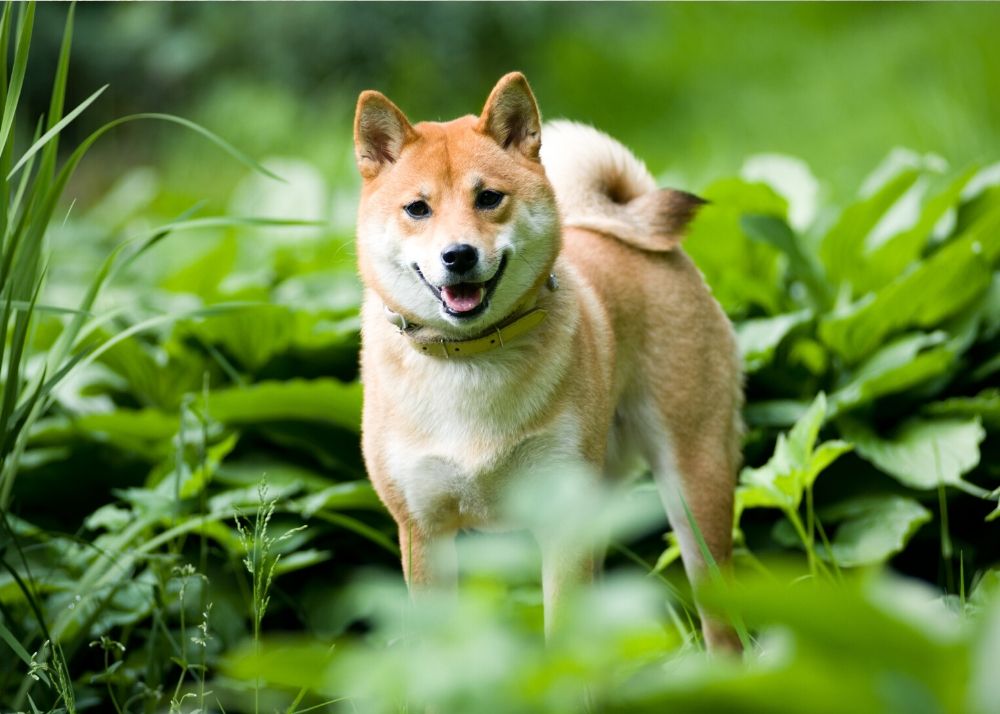
Dogs of all kinds are very cute. But Shiba Inus are especially adorable. From the moment you see them, most people can’t wait to have a Shiba Inu as a pet. They are very fun to raise, especially when they’re still a puppy, but wait until they pee everywhere! All the joys of having them as a pet go down the drain once they do start soiling your home.
But fear not! With the right training and care, your lovely pets can learn how to potty train easily and quickly. Doing this will require time and patience, but don’t worry, at the end of this, you’ll have a housetrained pup that will only go where it should!
This article will go into how to potty train your pet properly in the fastest and easiest way! Bookmark this page and be ready to come back to it often, for potty training is a long process. Let’s get started!
Potty training a Shiba Inu is mostly management and routine, and the good news is that Shibas are naturally clean dogs, so most housetrain faster than owners expect once accidents are prevented. The system is simple to say and takes discipline to run: control the dog's access to the house, take it out on a predictable schedule, reward the instant it goes outside, and never give a puppy the run of the home before it has earned it. Accidents are not defiance, they are a supervision gap, so the fix is almost always tighter management rather than correction. A Shiba's instinct to keep its den clean works in your favor if you use a properly sized crate and a routine the dog can rely on. Get consistent for a few weeks and the habit sets, because at that point going outside is simply what the dog knows to do.
The short version, in four parts:
- Manage access. Use a crate or confined space so an unsupervised puppy cannot practice accidents.
- Run a schedule. Out after waking, eating, playing, and on a regular clock so the timing is predictable.
- Reward outside, immediately. Pay the second the dog finishes going in the right spot, not back indoors.
- Never punish accidents. Clean thoroughly and tighten supervision. Punishment teaches a dog to hide, not to hold.
POTTY TRAINING A SHIBA INU
Dogs usually love to pee everywhere (and I mean everywhere) and the Shiba Inu is no exception. The Shiba Inu is a Japanese native breed that is a companion dog for most people in Japan and America. Their average life span ranges from 12 to 15 years. This dog is very nimble and athletic, and it never seems to lose energy. The Shiba Inu is a very independent dog breed. That is why owners need to start with socialization and potty training while they are young.
Potty training is one of the most challenging parts of being a pet parent. It requires a lot of patience, cool, and consistency. Some puppies may learn this in an instant, while others may take a while to master it. Puppies start to get an awareness of a full bladder at 12 weeks of age. Before that, they have no control of when and where they will relieve themselves. It’s good to start early, but don’t expect much results if it hasn’t been at least 12 weeks for your puppy.
Although potty training can seem intimidating, rest assured! This is when the unique character of the Shiba Inu comes in handy. Shiba Inus are known to be very clean dogs; they are the kind of dogs that would find their own ways to keep themselves clean. They often have this cat-like behavior where they lick their paws in an effort to clean them. Since they are fussy with themselves, potty training your Shiba Inu puppy will be easier than with most other breeds.
Potty training a Shiba Inu dog may be easy for some people while other people may struggle with their patience. Always remember to stay positive at all times and just follow these following guidelines to help you in efficiently potty training your dog.
Establish a Foundation of Trust
Show the dog to everyone in the house so that he can familiarize himself with the people around him. Lay out a foundation for a good relationship with your dog so that he can also learn to trust you. Make him aware of his surroundings, show him around the place and familiarize him with the space. Allot spaces for him where he can only go and make sure he doesn’t go where he doesn’t need to be. Let him roam around in his space in the first few days so that he can see all places inside the house that he is allowed to go to.
Once the dog becomes familiarized with his surroundings, it’s now your turn to get to know your pet. Take time to research about his breed and any necessary information you may need about him. Know his certain behaviors and try to make an effort to understand his actions. Also, take time to observe him daily to understand him more. Make sure to know all about his behavior and special needs that you mostly need to know to make lives easier for the both of you.
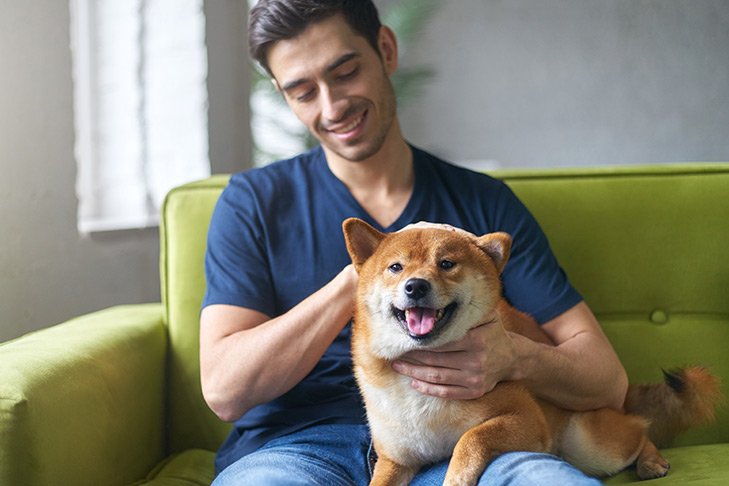
Although most dogs are very intelligent, they don’t think like humans do. They won’t be able to understand you at first so you need to be consistent with them and mostly, patient. Keep the dog in sight, place him somewhere you can see him at all times so that you’ll know once he may have an accident.
Be Consistent in Response
As stated a thousand times in this article, one certain characteristic you need to have in potty training a dog is consistency. You need to be consistent in a lot of things, most importantly is your words.
In potty training, you can use certain words or actions to make them understand when he should go potty versus when he should not. For example, when you catch your dog while he’s having an accident, you can clap or say “no” so that he will stop and then lead him to his designated place where he can pee.
Communicating with your dog is one of the easiest ways to make him understand you. You don’t need to be shouting all the time to make him listen to you. Make use of certain words consistently and you’d be able to build a long-lasting connection.
Give a Designated Space
Putting a designated place for certain things is an important thing to do. One example is giving them food at the same spot for a few days. After a few days, they will always go there when they are hungry or when it’s time to eat.
Having a designated place for them to do their business and accidents is important because they will understand that this area is specifically for them to pee or poop. For those living in apartment types, it’s better to create a small place like a cat’s litter box where the dog can pee or poop. For those who live in a house with even a small yard, it’s better to have the designated place outside. Make sure that the place is easy to clean.
If your pet has an accidents in a place not designated for it, immediately clean it up. Make sure to use cleaning substances without ammonia because urine has ammonia and it will only lure the dog to that spot again. Crate training can also be very helpful because your pup will soon understand what the crate is for and will not want to pee or poop in his own place.
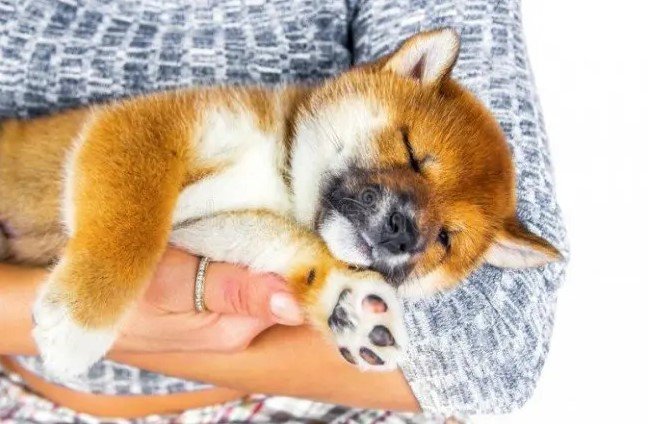
Make Potty Time a Scheduled Time
One important thing to do is to make a detailed schedule for your dog. It will help him to be organized, not only in potty training, but in everything he does.
This helps a lot especially for puppies since they have a small bladder and they need to be given ample time to do their business and avoid accidents. One interesting fact is that dogs can handle and control their bladders up to the number of hours corresponding to their age in months. Meaning a 6-month-old puppy can control his bladder for 6 hours, while an 8-month-old puppy can control his bladder for 8!
But don’t take this to mean that you should let your puppy hold in his pee for 8 hours! This is the maximum amount they can hold onto their pee before having an accident.
Break up their daily schedule and set designated time frames for their sleeping, eating and potty time. For puppies, it’s better to create a consistent routine and bring them to their designated place first thing in the morning, every after meal, and before they sleep. This will help them be organized.
Always Give Rewards & Praises
Once your dog understands that he has a specific place and time for his accidents, the dog will continue to go there every time he feels an accident coming. Whenever he does that, make sure that you praise or reward him. Doing this consistently will make the dog understand that he’s doing the right thing.
The praises can be a pat on the head or words such as “Good boy” or “Good job!” The rewards could also come in many forms, but the most appreciated ways can be a treat of some sort or a long walk around the neighborhood. Make sure to take your dog on a walk as much as you as it can help in prolonging his life and keeping him healthy.
Praises and rewards are well appreciated by the dog and a few of these can already make him understand that he is doing a great job. Make sure to use a happy, cheerful voice in praising your dog.
Observe & Predict Behavior
Another thing you should do is to learn your dog’s behavior. Just by observing your dog, you can already tell a lot of things about him. Make it a habit to take time and observe your dog. This can help a lot because just by observing, you’ll know how he acts or what he does when he needs to pee.
Look out for the simple signs that may indicate that he needs to relieve himself. Simple actions such as circling, whining, sniffing or barking can mean a lot of things so take note of them as they can help indicate if the dog needs to relieve himself or if he is hungry or not feeling well.
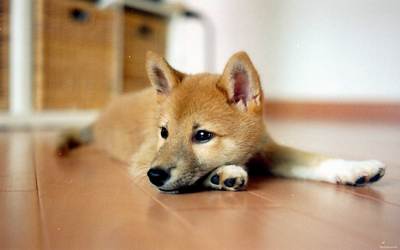
Potty Training Don’ts
As many as there are things you should do, there are also a number of things you shouldn’t do. Be careful with these things because it can have a big negative effect on your dog’s potty training. Here are a few of them:
- Don’t ever punish a dog for his mistakes. The dog doesn’t understand what he’s doing wrong. Your dog would only understand that you’re angry at them when they go to potty, so they will try to hide when they do it and may even go to the places you don’t see as much. Always be patient with them.
- Don’t let your dog roam around and explore the space by themselves without someone looking at them. They can cause a lot of accidents and unwanted mess. Keep your dog in a designated area, preferably a small space that is very easy to clean (e.g. no carpeted floors).
- Until your dog has received his third set of vaccines, do not have him relieve himself in places where other dogs have gone to. Your dog may pick up a lot of health problems, diseases or worms there. Before taking your dog out to places of full exposure, we suggest to discuss it with your veterinarian.
- If your puppy has an accident, don’t use a cleaner that has ammonia. Urine smells a lot of ammonia; it will only reinforce the puppy’s thought that it is a safe spot to pee.
- Don’t lose your consistency and patience. These are the two most crucial things that you always need to have in potty training your dog. Make sure to always be patient with your dog even if he makes a lot of mistakes (and mess!). Once you stop being consistent, things will go wrong and you wouldn’t want that.
What if the training doesn’t go well?
After a while, you start to think that you and your dog are doing well with house training and then suddenly… your dog makes a lot of accidents inside the house!
How can you fix this?
Firstly, do not lose your cool or punish your dog. You need to stay calm and collected as shouting may worsen the situation.
Take this as a small setback and move forward. Never lose hope in training your dog, especially if he’s still at a young age. Puppies tend to make mistakes (even older dogs can sometimes make mistakes, especially if they are stressed or ill), and that is normal. Be patient and positive and everything will fall into place. Do not ever falter and just follow these guidelines.
In times of accidents or setbacks, just go back to the beginning and make sure to build a solid connection between you and your dog during the entire process. The process of potty training may be hard but the results are very much worth it.
And there you go! Some tips and advice to keep in mind when you are potty training your Shiba Inu. These tips are from our Shiba Inu families who have gone through the entire process with their new Shiba Inu puppy from NorCal Shiba! If you have any suggestions to add, or any further questions, feel free to contact us at contact@norcalshiba.com
Happy potty training!
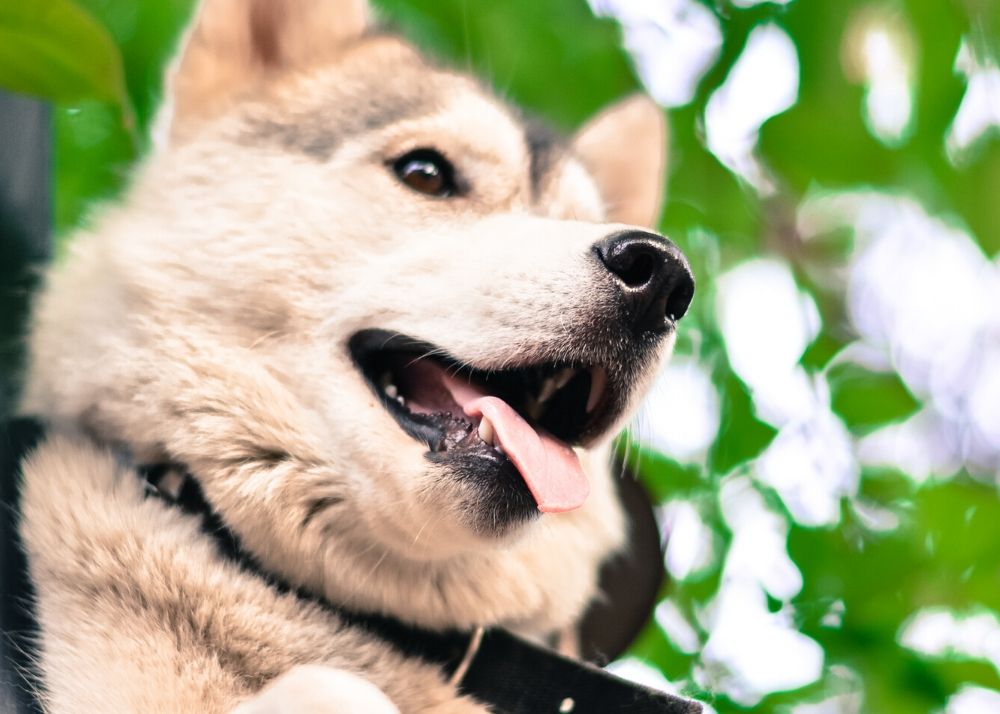
A potty-training system for a Shiba Inu
Housetraining is less about teaching and more about preventing rehearsal. Every accident indoors makes the next one likelier, and every clean success outdoors builds the habit. The whole game is stacking successes and denying the dog the chance to fail. Here is the system in five parts.
- Manage access to the house. A puppy that roams freely will find a quiet corner to use. Use a crate sized so the dog can stand, turn, and lie down but not soil one end and sleep in the other, plus gated or tethered supervision when out of the crate. Confinement is not cruelty here, it is what prevents the accidents that slow everything down. Our guide to crate training pairs directly with this.
- Run a predictable schedule. Take the dog out first thing in the morning, after every nap, after meals, after play, and last thing at night, plus regular intervals in between. Young puppies need frequent trips, roughly one hour per month of age between breaks as a rough ceiling. Predictable ins and outs give the bladder a rhythm and give you the timing to be there for the win.
- Reward the instant the job is done outside. Go out with the dog, wait, and the moment it finishes, mark and pay right there. Rewarding after you come back inside teaches the dog that coming in pays, not that going outside does. Timing is everything, and a Shiba will happily learn the wrong lesson if the treat lands in the wrong place.
- Supervise, interrupt, and never punish. If you catch the dog starting to go indoors, calmly interrupt and get it outside, then reward finishing there. If you find an accident after the fact, that is on the supervision, not the dog, and punishing it only teaches a Shiba to potty where you cannot see. Scared dogs hide, they do not hold.
- Clean accidents completely. Use an enzymatic cleaner, not a regular household one, because any lingering scent marks the spot as a bathroom and invites a repeat. This step is quietly one of the most important, since a dog's nose finds what yours cannot.
One family was convinced their Shiba puppy was "impossible" to house train. In reality the puppy had free run of a large living room and was slipping behind the couch to potty unseen, then getting scolded when they found it hours later. We closed off the space, put the pup on a tight schedule with immediate outdoor rewards, and switched to an enzymatic cleaner. The accidents stopped within about two weeks. The dog was never the problem, the unmanaged freedom was, which is the most common housetraining story we hear.
What we have seen across the pack
Across 250-plus Shibas placed since 2019, potty training is rarely the hard part it is made out to be, because the breed's cleanliness does a lot of the work. The dogs who struggle almost always have one of three things going on: too much unsupervised freedom too early, an inconsistent schedule, or an owner punishing accidents and teaching the dog to go out of sight. Fix those and the habit forms fast. Shibas want a clean space, so your job is mostly to make the right choice easy and the wrong one impossible.
The honest exceptions are worth naming. A dog that was fully house trained and suddenly starts having accidents may have a medical issue, a urinary tract infection or something else, and that warrants a veterinarian, not more training. Anxiety and marking are also different problems than a basic housetraining gap. When accidents persist despite a tight, consistent routine, it is worth an outside read rather than repeating the same approach harder. Our one-on-one training can sort out whether you are looking at a management issue, a schedule problem, or something behavioral that needs a different plan, and we will always point you to a vet first when the pattern looks medical.
Related questions
How long does it take to potty train a Shiba Inu?
With consistent management and a solid schedule, many Shiba puppies are largely reliable within a few weeks, though full reliability, especially through the night and in new places, can take a few months. Shibas tend to housetrain faster than average because they dislike soiling their space. Your consistency sets the pace more than the dog does.
Why is my Shiba having accidents after being trained?
Sudden regression in a previously trained dog deserves a look. Rule out a medical cause like a urinary tract infection with your veterinarian first. Beyond that, check for changes in routine, stress, or a new environment, and tighten supervision again. A house-trained dog that backslides is usually telling you something changed, not being defiant.
Should I use pee pads to potty train my Shiba?
Pads can help in specific cases, like a young puppy alone longer than its bladder allows or an apartment with no quick outdoor access, but they add a step by teaching the dog it is fine to go indoors on a surface. If your goal is outdoor-only, pads can slow that down. Many owners skip them and take the dog straight outside on a tight schedule instead.
What to read next
Pair this with how to successfully crate train your dog, since the crate is your main housetraining tool, and ground your rewards in our guide to training a Shiba with positive reinforcement. The broader Shiba Inu training overview covers the rest of the foundation, and our one-on-one training can help when accidents will not stop.
Need help training your Shiba?
Long-term behavior modification and skill training, built for the breed.