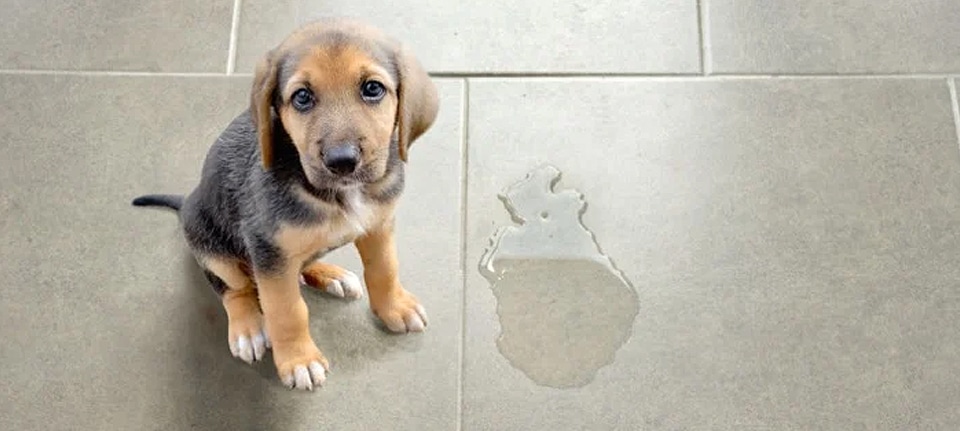
Have you recently bought a rescued dog or a housebroken puppy at home? From time to time, have you seen them pee on the floor for no reason? If yes, your dog might actually be experiencing a submissive or excitement peeing.
As a dog owner, it is your duty to take care of your dog and carefully observe any strange behavior that is related to your pet’s health. When a dog shows inappropriate urination, regardless of where it takes place, it could be a sign of a serious health problem. Learning about excitement urination can help you handle any occurring health problems that might be happening with your dog.
Occasional urinary incontinence for older dogs is not uncommon, but you should still have your dog evaluated by your vet in case of health issues. For rescued dogs, it takes some serious investigation to find out the root problem of their incontinence.
There’s a chance that a dog is suffering from an excitement issue if it doesn’t pee when you are in a dominant position (example: looking your dog directly in the eye, greet your dog on the face, bending from the waist). If your dog shows appeasement or urinates when you arrive home and you’re in a dominant position, your dog might have a submissive issue.
You stop submissive or excitement urination by treating it as involuntary, not disobedience: rule out a medical cause first, keep greetings calm and low-key, never punish the accident, and build the dog's confidence over time. This is not a housetraining failure, and correcting the dog makes submissive peeing worse because the behavior is driven by fear or over-arousal, not a full bladder the dog is choosing to empty. Most puppies outgrow it as they mature and gain confidence, and most adults improve a lot once you stop the pressure and manage the triggers. The two types look similar but need slightly different handling, so knowing which you have matters.
The short version, in four parts:
- See the vet first to rule out a UTI or other medical cause.
- Keep greetings and hellos calm, low, and undramatic.
- Never punish or scold. It deepens submissive urination.
- Build confidence and manage arousal, and give it time to mature out.
Why do dogs urinate when submissive?
Submissive dogs often pee when they are greeted, when someone approaches, and when they have a history of rough treatment or being punished after inappropriate urinating. This is common in rescued dogs, housebroken, anxious, shy, and timid dogs.
How to stop submissive urination?
To help your dog stop submissive urination, you must not punish or scold them after they pee. Instead, allow your dog to gain and build confidence by teaching some simple commands such as sit, stay, or come, and don’t forget to give treats after each success. It can also raise your dog’s confidence with the same reward-and-praise process while teaching simple tricks such as fetch or rollover. You can also make use of the following non-dominant postures to interact with your dog.
- You must approach your dog from the side to avoid eye contact and crouch down to your dog’s level.
- Make sure you appear less threatening when you approach your dog. You must kneel down, turn your body away from your puppy, and avert your gaze. It would be helpful if you let your dog approach you.
- When petting your dog, ensure to go under the chin, not on the top of the head.
- Keep your greetings low key and take your dog outside to relieve itself when you get home.
- Keep play sessions with your dog low key.
- Play games with your dog that focus on toys rather than bodily contact.
- If your dog starts to submissively urinate or if you think he might, do not look, touch, speak, or bend over him.
- Do not yell, scowl, or frown at your dog in response to submissive urination.
- If your dog pees in the house, do not punish your pet. Clean it up and go away. Give rewards or treats when your dog urinates in the appropriate spot.
- Don’t hesitate to ask for help from the vet or a Certified Professional Dog Trainer.
Why do dogs urinate when excited?
Puppies under 1-year-old of age usually urinate when they get excited, and they typically grow out of it. However, excitement peeing usually happens while playing, when unfamiliar people visit, or when you come home. This habit doesn’t disappear overnight. You need patience and understanding toward training your dog out of this behavior.
How to stop excitement urination?
To help your puppy stop excitement urination, keep your calm, quiet demeanor, and be consistent with your inputs.
- Reduce the excitement level by relaxing when you enter the home after work. Make sure to keep your interaction with your pet calm and relaxed. This will give a chance for your dog to calm down on its own. Ask your visitors to do the same when they visit your house.
- Bring your pet outside immediately after you get home with little or no commotion.
- Teach your dog with calm behaviors when they start becoming excited. (Example: Sit, Stay, Down)
- Try to keep all fun games or playtime outside. You can also prepare an area of newspapers and puppy pads. It will benefit you when your dog urinates due to overexcitement.
- Keep it cool and positive. If an accident happens, never reprimand your dog for inappropriate peeing. Instead, clean it up quietly and leave your dog alone. Ensure to clean the area carefully and leave no stains. Use some enzymatic clear that can remove the urine scent, so your dog doesn’t think that it is appropriate to pee in that spot again.
- Give your dog praise or his favorite treats when he urinates in the appropriate area. When your pet urinates while out on walks, praise him and give him treats. It should help your dog to stop the habit of peeing when they get excited. It will also make your dog calmer and more confident.
Note: Feed your dog or give treats when they are calm. Approach your dog when they are calm. If they start to get overexcited, ignore them until they start to calm down. Make sure to avoid excited greetings. Physically and verbally reprimanding your pet won’t help you stop excitement peeing.
Health issues that can cause urination
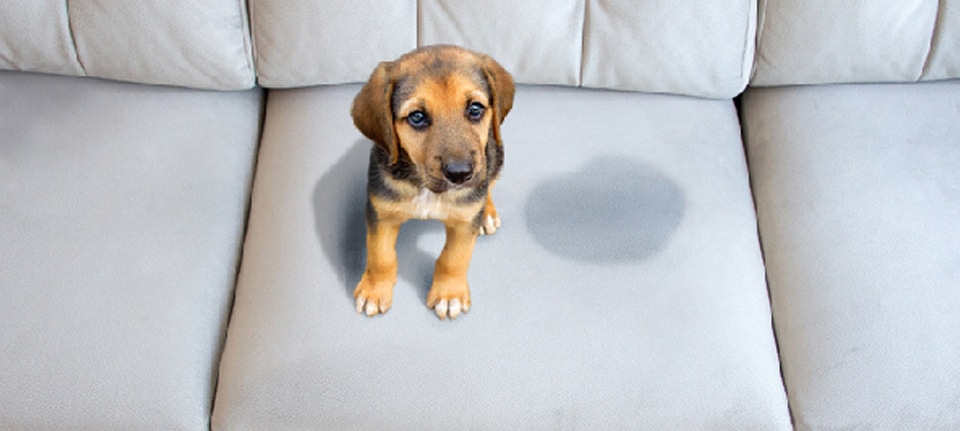
One important thing to do before deciding to take behavior modification for your dog is to take them first to the veterinarian to find out any health problems. Your veterinarian will run a urinalysis to determine if your dog has a urinary tract infection, which can be treated by antibiotics. The vet can also run other diagnostics like x-rays, showing whether your dog is suffering from bladder stones or inflammation within the bladder (cystitis). In addition, your vet will run a full examination to check if your dog has diabetes or other diseases that cause them to urinate or pee inappropriately.
There are medical treatments that can help your dog treat his urination issues. If the diagnosis shows a result of kidney stones, expect that your dog needs surgery.
Your male dog may continue to urinate in an inappropriate place, like inside your house, after it has been neutered. as a way of marking their territory. If you noticed that his peeing has continued for more than a week after neutering, don’t hesitate to ask for help with your veterinarian.
Professional behavior modification therapy
If you tried everything, but its behavior (submissive or excitement peeing) continues, you need to bring your dog to a licensed behavior specialist. In very severe or persistent cases, it is essential to ask for help or let your dog undergo behavior modification therapy to stop this kind of undesired behavior. The best approach with behavioral issues like submissive or excitement peeing starts with visiting your local veterinarian and listening to their advice. Getting their professional point of view can help you with the problem. They are experts in this field, and they are called specialists because they can see patterns in your dog’s behaviors that you’re missing.
A six-step plan that fits both types
Submissive and excitement urination look alike (a sudden little puddle, usually during greetings) but they come from different places. Submissive peeing is an appeasement signal from a nervous or fearful dog. Excitement peeing is a loss of bladder control from sheer arousal, common in young dogs. This plan works for both, with a couple of type-specific notes.
- Rule out medical causes. Before you treat it as behavioral, have your vet check for a urinary tract infection, incontinence, or other issue. This is step one, not an afterthought. A physical problem will not respond to any amount of confidence building.
- Identify the type. Does it happen when the dog is being scolded, looming over him, or reaching toward him (submissive)? Or when he is thrilled, greeting you or a guest, tail whirling (excitement)? The trigger tells you which lever to pull.
- Keep greetings boring. This is the single most effective change for both types. Come in calm and quiet, avoid direct eye contact and looming, and ignore the dog for the first minute. Let the excitement or nervousness settle before any interaction.
- Never punish it. Scolding a submissive urinator makes it dramatically worse, because your displeasure is the exact trigger. Even for excitement peeing, punishment just adds anxiety. Clean it up without a word and move on.
- Build confidence or manage arousal. For submissive dogs, confidence work (rewarding brave, calm behavior, easy training wins, letting the dog approach on his terms) shrinks the appeasement response. For excited dogs, keep arousal below the tipping point and greet in low-key ways.
- Manage the environment. Greet outside or on easy-clean floors, take the dog out to potty right before expected greetings, and coach guests to be calm and hands-off at first. You are stacking the deck while the underlying issue improves.
Consider a young rescue Shiba we placed who left a puddle every single time her adopter came home. It was pure submissive urination: the more the owner fussed and bent over her, the worse it got. We had the owner ignore the dog for sixty seconds on entry, drop the looming greetings, and reward calm confidence, and within a couple of months the accidents nearly stopped. Because submissive peeing is a confidence and trust issue at heart, how to gain the trust of your rescue Shiba Inu pairs well here, and for the security angle, our separation anxiety guide covers building a settled, confident dog.
What we have seen across 250+ placements
Since 2019 we have placed more than 250 Shibas, and submissive urination is one of the issues owners most often make worse by accident. The instinct when a dog pees on the floor is to react, and reacting is exactly the trigger for an appeasing dog. The households that fix it fastest are the ones who learn to do less: quieter greetings, no scolding, no big emotional homecomings.
The good news we share with worried adopters is that most of these dogs improve a great deal, and many puppies simply grow out of excitement urination as their bladder control and confidence mature. It is rarely a permanent problem. What it needs is patience and a hands-off approach during the window where the dog is most triggered, which is almost always greetings and corrections.
Where we tell owners to get help is when the peeing is not improving with calm, consistent management, when it is paired with deeper fearfulness or shutdown, or when there is any question of a medical cause. A dog that is chronically anxious enough to leak needs more than greeting tweaks. Rule out medical issues with your vet, and for the behavioral side, structured 1-on-1 training or a certified trainer can build the confidence that makes the behavior fade. Persistent fear-based cases can warrant a veterinary behaviorist.
Common followup questions
Will my puppy grow out of submissive or excitement urination?
Most do. Excitement urination in particular tends to resolve as a puppy's bladder control and impulse control mature, often by adulthood. Submissive urination fades as the dog gains confidence and learns the world is safe. Calm handling speeds both along. If it persists well into adulthood, have your vet rule out a medical cause and consider a trainer.
Does punishing a dog stop submissive peeing?
No, it makes it worse. Submissive urination is an appeasement response to perceived threat, so punishment adds exactly the pressure that triggers it. The dog is not being defiant, he is trying to signal that he is no threat to you. Clean it up silently, drop the corrections, and build confidence instead. Punishment only deepens the cycle.
How do I know if it is behavioral or a medical problem?
Timing is the clue. Behavioral urination clusters around greetings, excitement, or corrections, while medical leaking happens randomly, during sleep, or with other signs like straining or frequent trips outside. When in doubt, see your vet first. A quick urine test rules out infection and incontinence before you spend months on training that will not fix a physical issue.
What to read next
Since confidence is the root fix for submissive peeing, read how to gain the trust of your rescue Shiba Inu, and if the accidents come with over-the-top greetings, stopping your Shiba from jumping covers calming those hellos. For the security side, our separation anxiety guide helps, and when you want hands-on confidence work, our 1-on-1 training programs are built for the breed.
Looking to adopt or rehome a Shiba?
Rescue-first rehoming with vetted families, 1-year health guarantee, lifetime support.