
Giardia: How to Prevent and Treat In Pets
Giardia is often thought to be bacteria, a virus, or worm, instead, represents it a one-celled parasite. The intestinal infection, giardiasis, resulting from the parasite, is attributed to seven genotypes. These genotypes are classified from A though G. Genotypes C and D usually infect dogs while genotype F frequently infects cats.
Giardia is a single-celled intestinal parasite, not a worm or a virus, and the practical thing to know is that it is treatable with veterinary help and highly preventable with good hygiene, but it spreads easily and loves damp, contaminated environments. A dog picks it up by swallowing microscopic cysts from contaminated water, ground, or feces, and the classic sign is soft, sometimes greenish diarrhea, though some infected dogs show no symptoms at all. Because giardia is diagnosed with a stool test and treated with prescription medication, this is a vet situation from start to finish, not something to manage with home remedies. The good news is that most healthy dogs recover well, with puppies, seniors, and immune-compromised dogs needing the closest attention.
The short version, in four parts:
- Giardia is a parasite spread through contaminated water, ground, and feces.
- Loose or greenish diarrhea is the classic sign, but some dogs show nothing.
- Diagnosis needs a stool test and treatment needs prescription medication, so see your vet.
- Hygiene, clean water, and disinfecting the dog's spaces prevent spread and reinfection.
Giardia Affects Humans and Animals
A human diagnosed with giardiasis is commonly infected with genotype A or B. Cases involving genotypes E and F are rare. Because a human or cat is infected by different giardia genotypes, a human or cat will rarely become infected if a dog in the household has the diarrheal disease.
However, that does not mean it cannot happen. You still have to be careful, as the human A genotype is also known, occasionally, to infect dogs and cats. Although rare, the human genotype B may affect dogs as well.
Traveler’s Diarrhea
Giardiasis occurs throughout the world and is often referred to as traveller’s diarrhoea in humans. Other protozoan parasites that can cause intestinal distress include toxoplasma, cryptosporidia, and coccidia. While it may cause diarrhoea in people, dogs may not display the symptom at all.
A Common Water Borne Disease
According to the Mayo Clinic, it is one of the most common forms of water-borne diseases in the U.S. While it can be contracted in the streams in the backcountry, giardiasis can also spread when swimming in public pools or through person-to-person contact.
Two Types of Giardia
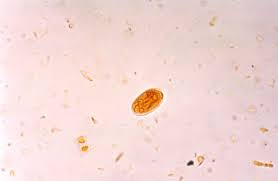
A giardia comes in two forms – a trophozoite, a feeding form that survives in the intestinal tract of animals, and a cystic form, which sheds in feces. The cystic form can survive in damp environments and water.
How Does a Dog Become Infected with Giardiasis?
Dogs become infected with the giardia parasite when they swallow the cyst type form. Once a giardia cyst enters a dog’s intestines, it becomes the feeding form, or a trophozoite. If more than one trophozite is present, the intestinal wall can become damaged.
Getting Rid of the Cysts
A trophozoite reproduces through division, with some of the protozoa transforming into cystic parasites. A dog will eventually pass infectious cysts during elimination. This takes anywhere from five to 12 days from the time of ingestion to elimination.
Therefore, a dog may become infected with giardiasis by drinking contaminated water or sniffing the ground where cysts are present. Usually, if your companion dog is healthy and gets infected, any finding of cysts in the stool will be considered only transient, and therefore insignificant.
However, if giardiasis is diagnosed during puppy potty training, or in an elderly companion dog, the condition can be serious and has to be addressed.
The potential for developing giardiasis increases in environments where there is a large amount of fecal contamination. These environments may include pet stores, animal shelters, and kennels. Therefore, if you adopt a puppy from a shelter or pet store, make sure your newly adopted dog comes with a clean bill of health.
Symptoms of Giardiasis in Dogs
If your companion dog has giardiasis, it may lose weight, have intermittent but chronic diarrhoea, or display a soft greenish stool with mucus or blood. If the condition is not immediately treated, your dog may lose a good deal of weight. It is not life-threatening unless your companion dog has a compromised immune system, or your pet is a pup.
While a dog with giardiasis may not have a fever, it may slow down, as a result of the disease. If your vet suspects your dog has giardiasis, he usually will take a stool sample for analysis. In some cases, he may refer to your dog’s medical history and any clinical signs that suggest your dog has contracted the disease.
Treating Giardiasis
Giardia are killed using drugs, such as metronidazole and , either individually, or in combination, if a dog has not responded to treatment. A highly digestible diet may be recommended to assist in reducing the incidence of loose stools. Drugs are given from three to ten days, with supportive medications administered in cases of dehydration. An infected dog typically is checked and retested for giardiasis two to four weeks after treatment.
What Is the Prognosis for Canine Giardiasis?
Most dogs recover from it. However, a geriatric companion dog may be at an increased risk for additional complications, even, in some instances, the possibility of death. If your dog is diagnosed with it, disinfection and good personal hygiene must be followed to prevent the possible spread of the disease to humans in your household.
If anyone in your home has an immunodeficiency, such as cancer or AIDs, or is undergoing cancer treatments, such as chemotherapy, they are particularly vulnerable. They should use extreme care when picking up the dog’s faeces and giving giardia medications.
Disinfecting Your Dog’s Living and Sleeping Areas

To disinfect your home, use a 1:16 dilution of chlorine bleach, or 2 cups in a gallon of water. Make sure that any affected surfaces can be treated with bleach. You can also use Lysol® to kill giardia cysts. The cysts dry out easily, so keeping your home’s environment dry as possible helps. For the best results, thoroughly clean and disinfect the living and sleeping areas of your companion dog. Reintroduce your pet to the areas when the spaces are completely dry, or after several days.
Keeping Your Companion Dog Safe
To make sure your pet does not get re-infected, regularly disinfect its living and sleeping spaces, and be careful about where your dog sniffs the ground. As noted, its cysts are found in faecal matter. Therefore, walk your dog in areas that are clear of dog or cat faeces.
A dog can get infected in a kennel. Therefore, if you travel, learn more about the place where you plan to house your pet. To keep your dog healthy and your family safe, it is important to disinfect and clean your dog’s areas, walk your pet in spots that are free of any dog waste, and make sure your pet drinks from trusted water supplies.
How Giardia Spreads and How to Break the Cycle
Giardia is stubborn because of how it moves and how easily a dog gets reinfected. Understanding the cycle is what lets you stop it. Here is how it works and where to intervene.
- Contaminated water. This is a classic route. Puddles, streams, ponds, and even shared outdoor bowls can carry cysts. A Shiba that drinks from standing water on a walk is taking a real risk, so offering your own water and steering the dog away from puddles matters more than it seems.
- Contaminated ground and feces. The cysts live in fecal matter, and a dog that sniffs, licks, or steps in a contaminated spot and then grooms itself can ingest them. Walking your dog in areas kept clear of dog and cat waste, and picking up promptly, cuts the exposure.
- Crowded, high-traffic settings. Places with many dogs and heavy fecal contamination, such as some shelters, pet stores, and traditional kennels, raise the odds. This is one reason a newly adopted puppy deserves a prompt vet checkup and a clean bill of health rather than an assumption.
- The reinfection loop. Here is the part that frustrates owners. A dog can be treated, then pick the parasite right back up from its own contaminated environment or coat. Cysts cling to fur and to surfaces the dog uses. Treatment without cleanup often means the problem comes right back.
- Disinfecting the environment. Breaking the loop means cleaning the dog's living and sleeping areas, bathing the dog to remove cysts from the coat as your vet advises, and keeping spaces dry, since the cysts dislike drying out. Follow your vet's guidance on safe disinfectants and never mix cleaning chemicals.
- Who is most at risk. Healthy adult dogs often shrug it off, and a transient finding may not even cause illness. Puppies, seniors, and dogs with weakened immune systems are the ones who can get genuinely sick, which is why those groups warrant faster testing and closer care.
A composite: a rescued Shiba puppy we will call Yuki came in with the soft, greenish diarrhea that makes an experienced foster suspect giardia immediately. The vet confirmed it with a stool test, prescribed treatment, and, just as important, walked the foster through disinfecting Yuki's crate and bedding and bathing her at the end of treatment. Skipping that cleanup step is how dogs bounce back positive. Because the whole cycle was handled, Yuki cleared it and moved on to her adoptive home.
If diarrhea is the symptom you are chasing, our guide on what to do if your Shiba has diarrhea covers when it is an emergency, and adopters budgeting for vet care should read our breakdown of Shiba Inu costs in California.
Why We Board In-Home Instead of in a Kennel
Since 2019 we have placed more than 250 Shibas and boarded a steady stream of others, and parasites like giardia are one of the practical reasons we run in-home boarding rather than a traditional kennel. Density is the enemy here.
A crowded kennel with heavy foot traffic and shared outdoor space is exactly the kind of environment where fecal contamination builds up and a parasite spreads. We keep groups small, clean up immediately, and manage water so dogs are not sharing questionable sources. Fewer dogs and tighter hygiene means fewer chances for something to pass between them.
We also pay attention to intake. A dog that arrives with loose, greenish stools, or that develops them during a stay, gets flagged fast, because we would rather catch a possible parasite early than let it move through the group. That dog gets separated as needed and, if the signs warrant, gets to a vet through our vet transport.
When a dog is being treated for giardia, we know the cleanup is half the battle. Bedding, bowls, and surfaces get disinfected, spaces get kept dry, and we follow whatever the treating vet has laid out. Treating the dog while ignoring its environment is how reinfection happens, and we have seen enough cases to respect that.
To be clear, we do not diagnose or prescribe, and none of this is veterinary advice. Diagnosis needs a stool test and treatment needs a vet's prescription. What we provide is a low-density, clean, closely watched environment that gives parasites fewer openings. If that is the kind of care you want for your Shiba while you travel, that is exactly what our in-home boarding is built to offer.
Related questions
Can I catch giardia from my dog?
Dog-to-human transmission is uncommon because the genotypes that usually infect dogs differ from those that typically infect people, but it is not impossible, so hygiene matters. Wash your hands after handling feces, keep the dog's areas clean, and take extra care if anyone in the home is immune-compromised. If you have concerns about your own health, ask your doctor.
Why does my dog keep getting giardia after treatment?
Reinfection is usually the culprit. Cysts linger on the dog's coat and in its environment, so a dog treated without a thorough cleanup can pick the parasite right back up. Bathing at the end of treatment, disinfecting bedding and surfaces, keeping spaces dry, and retesting as your vet directs are what break the cycle for good.
Is giardia dangerous for my Shiba?
For a healthy adult dog it is often manageable and sometimes even symptom-free, but it can be serious for puppies, seniors, and dogs with weakened immune systems, mainly through diarrhea and weight loss. Because the risk depends on the individual dog, any suspected giardia should be confirmed and treated by a veterinarian rather than watched and waited on.
What to read next
For the broader symptom, read what to do if your Shiba has diarrhea, and if a touchy gut is a pattern see what to do when your Shiba has a sensitive stomach. Adopters planning for vet care should read Shiba Inu costs in California, and if you travel, our low-density in-home boarding keeps parasites at bay.
Need in-home boarding for your Shiba?
Small groups, five walks a day, never a kennel. Daycare and vet transport included.