Dog lovers and enthusiasts often discuss the similarities between a Shiba Inu and a Red Fox. Yet as similar as they look, they are distinctly different.
Let’s discuss the misconceptions about the Shiba Inu and the Red Fox.
No, a Shiba Inu is not a fox and is not related to one; the resemblance is a coincidence of coat color, ear shape, and facial structure, nothing more. A Shiba is 100% domestic dog, Canis lupus familiaris, while the red fox is a separate wild species that cannot even interbreed with dogs. They share a look and a few surface behaviors, which fuels the myth, but they diverge sharply in biology, temperament, and origin. The fox comparison is a fun compliment, not a fact about the breed's lineage.
The short version, in four parts:
- The Shiba is a domestic dog; the red fox is a wild species, and the two are not genetically connected.
- The resemblance comes from convergent looks (red coat, pointed ears, sharp muzzle), not shared ancestry.
- Dogs and foxes cannot interbreed, so a "fox hybrid" Shiba does not exist.
- The real fox-adjacent cousins are other spitz breeds like the Akita and Japanese Spitz, not foxes.
The Misconception of Shiba Inus as Red Foxes
Scientifically speaking and as far as Biology and Taxonomy are concerned, Shiba Inus and Red Foxes are two different animal species. They do have something in common and they have undeniable similarities, that is why it is common for these two to have misconceptions.
The intent of the first part of this article is to explain the origin of the misconception of Shiba Inues as Red Foxes, as well as to draw the line on their differences.
Here are 8 similarities between the Shiba Inu and the Red Foxes that are often the reason why people are so confused about the two.
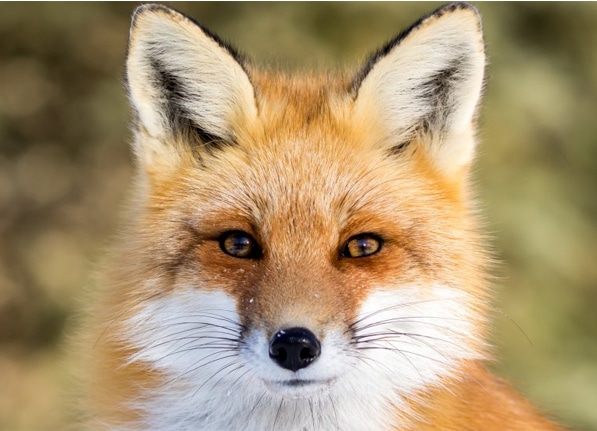
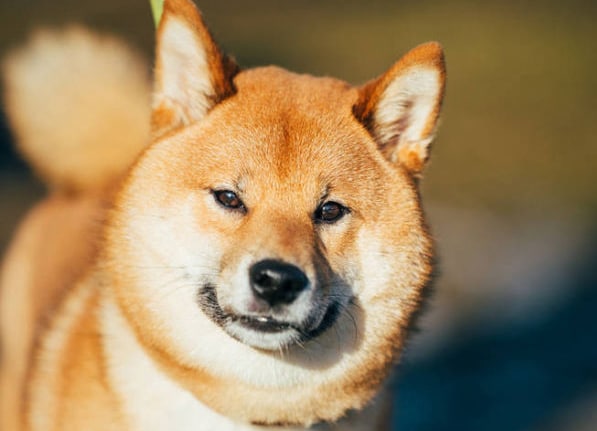
1.The Shiba Inus and Red Foxes share the same facial and color appearance. When these two share similar physical appearance, it is difficult to distinguish both of them. If you are not a seasoned dog enthusiast, it is easy to mistake a red fox for a Shiba Inu.
2. The Shiba Inus and Red Foxes both have cat behaviors such as wanting to curl on the lap of their owner and racing up around the house as a direct expression of their random outbursts of energy.
3. The Shiba Inus and Red Foxes howl and mouth-yelp.
4. The Shiba Inus and Red Foxes are vocally expressive of their feeling of discomfort and anxiety. As well as a way of calling, provoking, and warning.
5. The Shiba Inus and Red Foxes share a common ability to retract their ears, as a means of submission to their owners. This practice of the two animals is universally known as the so-called “airplane ears”.
6. The Shiba Inus and Red Foxes are both “escape artists.” These two share a high interest in escaping if they are given the opportunity.
7. The Shiba Inus and Red Foxes are both intelligent, independent, and speedy creatures.
8. The Shiba Inus and Red Foxes enjoy hunting games.
These eight similarities and commonalities have led to the birth of the misconception that Shiba Inus are misunderstood as Red Foxes.
The Differences of the Shiba Inu and the Red Fox
To put a stop to these misconceptions and also as a way to educate the readers, here are 6 differences between the Shiba Inu and the Red Fox.
1.The Shiba Inus and Red Foxes differ in terms of their scientific classifications.
The scientific classification of Shiba Inus is “Canis Lupus Familiaris”, while the scientific classification of Red Foxes is “ Canidae Genus”.
2. The Shiba Inus and Red Foxes differ in terms of their physical characteristics, as vividly seen in their height, weight, and the color of their coat.
3. The Shiba Inus and Red Foxes differ in terms of genetic level as these two animals not connected at all.
4. The Shiba Inus and Red Foxes differ in terms of behavior.
Red Foxes are more inclined to being non-submissive and non-attentive, in comparison to the Shiba Inus who are submissive and attentive as highly influenced by their domesticated behavior as dogs.
5. The Shiba Inus and Red Foxes differ in terms of sound production.
The Red Foxes obtain an ability of vocalization that can reach to five-octave levels; while on the other hand, Shiba Inus have the ability to produce a distinct ability of vocalization, which is the so-called, “Shiba scream”.
6. The Shiba Inus and Red Foxes differ in origin for the reason that Shiba Inus are domesticated animals while on the other hand; Red Foxes are wild animals by nature.
The Top 5 Dog Breeds that are Closely Similar to the Shiba Inus
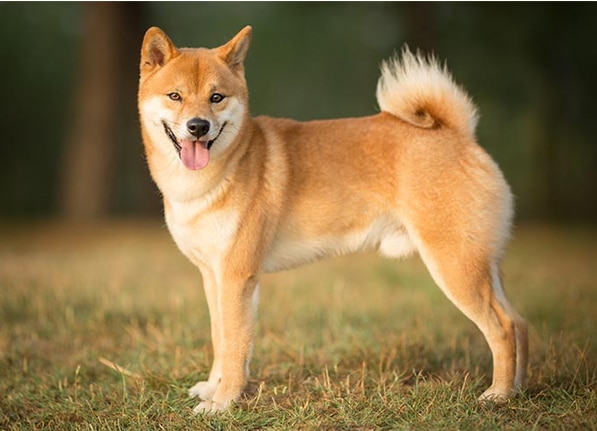
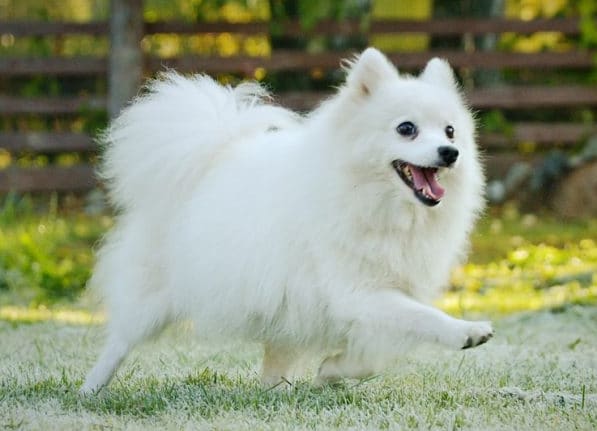
Shiba Inu is a unique dog breed in terms of personality. They feel superior, strong-willed, and independent, which makes them reliable in instances that they need to be left alone for a period of time. This particular dog breed is also an excellent guard dog. They are attentive, vigilant, and only barks when threatened or suspicious of an unknown presence.
However, they are not advisable in the company of little children or other animals. Shiba Inus are headstrong, territorial, and protective of its belongings. One wrong move on the part of a child could lead the Shiba Inu’s protective nature to attack and harm little ones.
With their territorial nature, a prospective owner might think getting a Shiba will be quite overwhelming. But, if the breed is really what a soon-to-be owner wants but is disheartened by its protective nature, there is a whole group of dogs that shares some of the characteristics of the Shiba but also possess traits that it doesn’t have. This group is called the “Spitz breed”, which are distinguishable by their pointed ears, pointed muzzle, and thick fur.
The second part of this article will list down similar dog breeds with the Shiba Inu. They might share their origins and appearance but not all will have the traits of the Shiba.
1. The Akita Inu
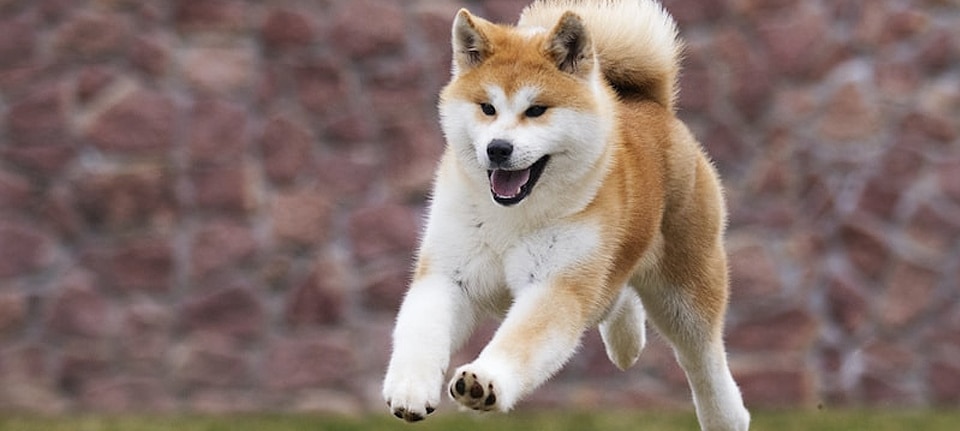
The Akita Inu is known for its image and reputation as “Japan’s Most Faithful Dog”, and are often the apple of the eye to Japanese who are looking for a pet dog.
The Akita Inu is the largest dog among all the Japanese Spitz group. It shares some of Shiba Inu’s personality, such as being very determined, strong, and steadfast. It has a long history of being a loyal guard dog and was bred for hunting.
However, despite such a brave front, Akita Inu has a tendency to act silly in front of their owners as well as being very vocal about their feelings.
2. Samoyed
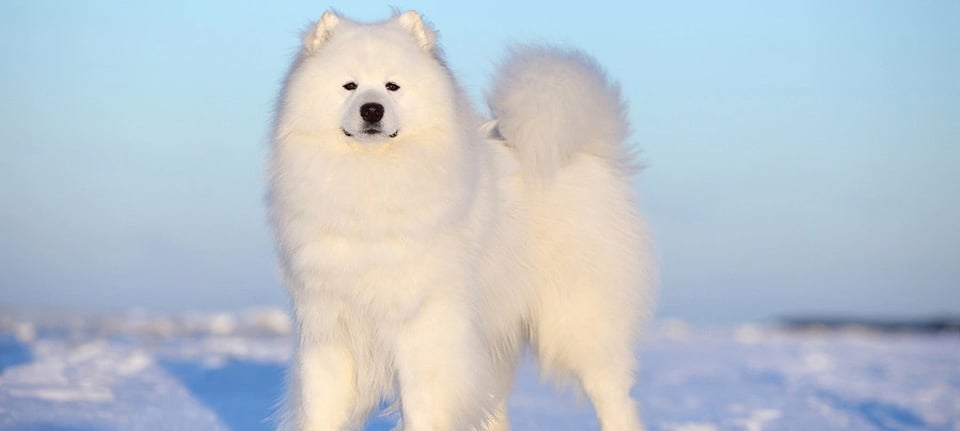
The Samoyed is a medium-to-large working dog that is commonly found in the coldest areas of Northwest Siberia.
Despite their high prey drive, the Samoyed is a joy to everyone’s eyes and they are tremendously reliable as a pack leader as well. However, they are not good guard dogs. Samoyeds are too friendly and too approachable and in the worse case, will even help a burglar rob the house.
The prospective Samoyed owner should keep in mind that this dog breed needs to exercise regularly and that includes a wide space to run and be free.
3. The Korean Jindo
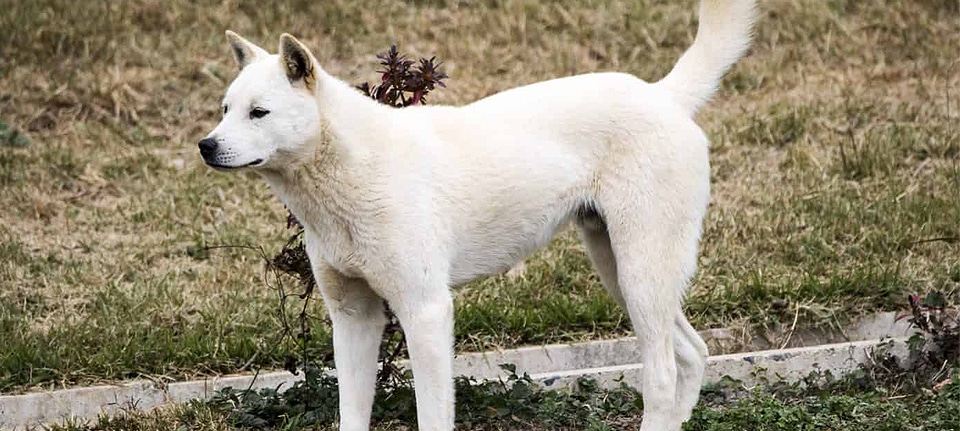
The Korean Jindo is both an affectionate pet and a loyal watchdog. Korean families would recommend and consider this dog breed as a home pet.
The Korean Jindo is used by the Korean Army as a guard dog because of its fearless nature. They are dedicated and loyal to their owners and have the ability to hold unknown individuals and other dogs.
As for advice for individuals who are looking forward to having a Korean Jindo as a pet, practice caution when introducing the dog to a new presence, most especially children and other pets.
4. Japanese Spitz
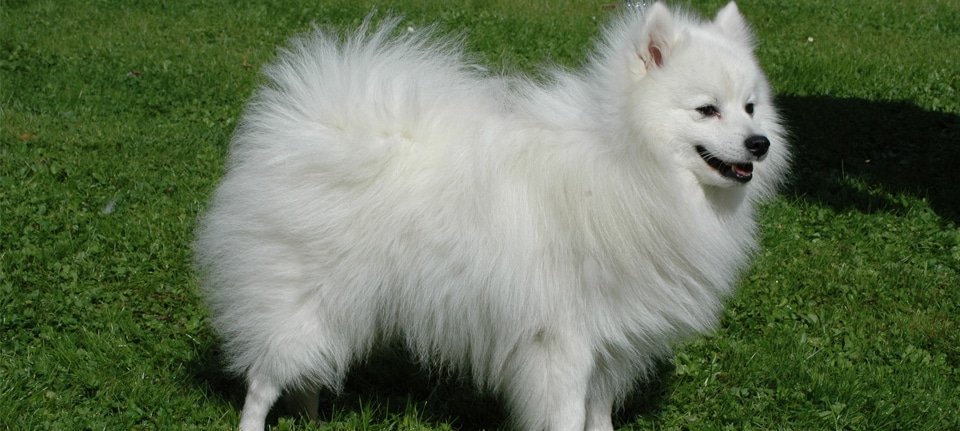
The Japanese Spitz, despite being smaller than the other Spitz dog, has an amazing personality. These dogs are kind-hearted, friendly, and family-oriented.
When it comes to their company with children and other dogs, there is no need for worry since they are an approachable breed. However, one thing to note is Japanese Spitz can be wary in the presence of strangers or new faces. But, when introduced properly, they will immediately welcome individuals as friends.
Japanese Spitz is a great choice for first-time dog owners.
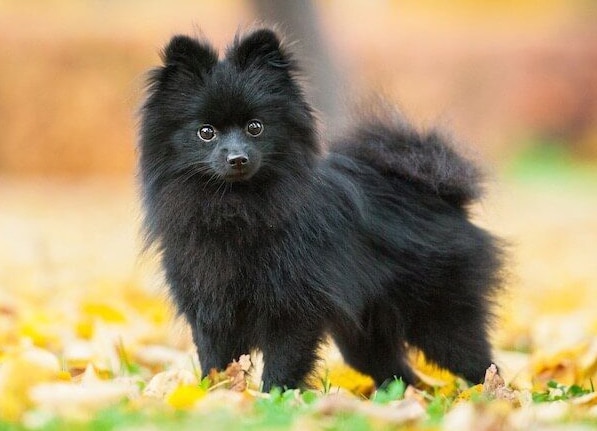
5. Pomeranian Spitz
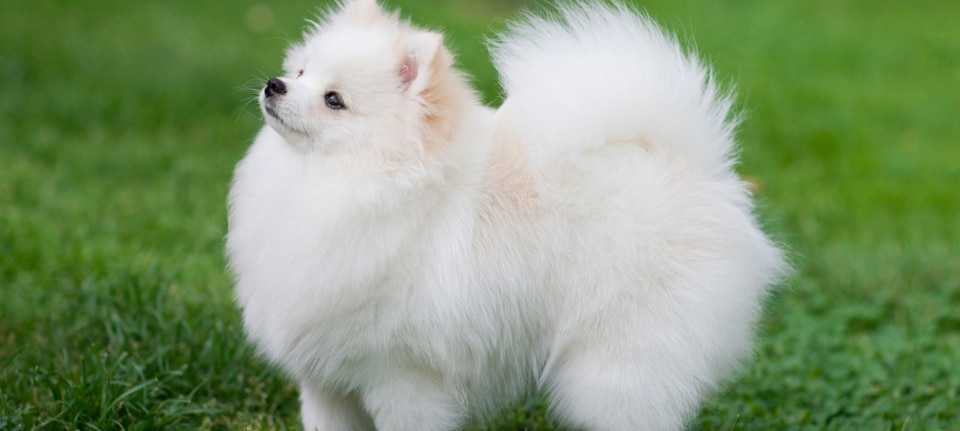
The Pomeranian Spitz is known as the smallest dog breed among the Spitz breed. They’re cute, fluffy, and can be mistaken as a pom-pom when carried.
However, despite their small size, their personality can be quite large. Pomeranian Spitz is highly protective of their owners. They are oftentimes nippy with strangers, other dogs, and children.
Their fearlessness is endearing but their small size is not exactly the best partner for their brave personality.
Where the fox myth comes from, and where it breaks down
The confusion is understandable, but it collapses the moment you look past the surface. Here is why unrelated animals end up looking so alike, and where the resemblance ends.
- Convergent appearance. A red coat, upright triangular ears, a narrow muzzle, and a full tail read as "fox" to our eyes, and the Shiba happens to have all four. Nature produces similar looks in unrelated animals when the features suit a similar niche. Looking alike is not evidence of kinship, it is coincidence.
- Different branches of the tree. The Shiba is Canis lupus familiaris, a subspecies of the gray wolf and a true domestic dog. The red fox is Vulpes vulpes, a separate genus entirely. On the canid family tree, dogs and foxes split far enough back that they are distant relatives at best, not close cousins.
- They cannot interbreed. Dogs and foxes have different chromosome numbers, which makes viable hybrids impossible. There is no such thing as a Shiba-fox mix, no matter what a listing claims. If it looks like a fox and acts like a dog, it is a dog.
- Shared behaviors are shallow. Both may do "airplane ears," both are vocal, and both can be catlike and speedy. But these are common traits across many animals, not proof of a fox connection. A house cat also does several of these things, and no one thinks a Shiba is part cat.
- The domestication gap. This is the deepest difference. Thousands of years of domestication made the Shiba attentive and bonded to people, however aloof it seems. The red fox is a wild animal that does not attach to humans the way a dog does. Temperament is where the two truly part ways.
- The real relatives. The Shiba's actual close kin are other spitz-type dogs: the Akita, the Japanese Spitz, the Samoyed, the Korean Jindo, all sharing the pointed ears and thick coat. Those are the fox-adjacent look-alikes worth comparing, not the fox itself.
A composite of why this matters: someone adopts a Shiba expecting a "pet fox," a wild, exotic novelty, and is let down to find a stubborn but thoroughly domestic dog with dog needs and dog rules. The fox fantasy sets up the wrong expectations. For more of the breed's genuine quirks, our fun Shiba facts piece covers the real ones, and our honest guide on whether a Shiba Inu is right for you replaces the fantasy with facts.
What we have seen
Across 250+ Shibas placed since 2019, the fox resemblance is a double-edged thing. It draws people to the breed, which is fine, but it also draws the wrong people for the wrong reasons. Someone who wants a Shiba because it looks like a fox is often chasing an exotic aesthetic, not signing up for a stubborn, prey-driven, vocal dog. That gap between the fantasy and the animal is a real source of surrenders.
The dogs do not care that they look like foxes. They are Shibas, with Shiba needs: consistent training, secure fencing, respect for their independence, and an owner who is not disappointed that the dog behaves like a dog. When adopters come to us charmed by the look but ready for the reality, placements go well. When they come for the internet fox and meet the actual temperament, they struggle.
What has worked: setting expectations hard, up front, so the look is a bonus and not the whole reason. What has not worked: adoptions driven by novelty. If the breed genuinely appeals to you beyond the fox comparison, our rehoming process starts with an honest conversation about what a Shiba actually is, and a trainer can help you meet the dog you got rather than the fox you imagined.
Common followup questions
Are Shiba Inus part fox?
No. A Shiba Inu is 100% domestic dog with no fox ancestry at all. The resemblance is a coincidence of coat color and facial shape, not a sign of shared lineage. Dogs and foxes belong to different genera and split far back on the canid family tree. There is no fox in a Shiba, however much it looks the part.
Why do Shiba Inus look so much like foxes?
Because they share a handful of surface features: a reddish coat, upright triangular ears, a pointed muzzle, and a full tail. Our brains read that combination as "fox." It is convergence, unrelated animals landing on a similar look, rather than kinship. Plenty of spitz breeds share the same fox-like silhouette for the same reason.
Can a dog and a fox have puppies together?
No. Dogs and foxes have different chromosome numbers, which makes viable offspring biologically impossible. Any listing advertising a "dog-fox hybrid" is either mistaken or misleading. This is also why you can be certain a Shiba, no matter how fox-like, carries no actual fox in its makeup.
What to read next
For the breed's genuine quirks rather than the fox myth, read our fun Shiba facts, and see how the Shiba compares to its true relatives in our Shiba, Akita, and Shibakita explainer. If the real dog appeals to you, our honest guide on whether a Shiba Inu is right for you is the next step, and our rehoming process shows how adoption works.
Looking to adopt or rehome a Shiba?
Rescue-first rehoming with vetted families, 1-year health guarantee, lifetime support.