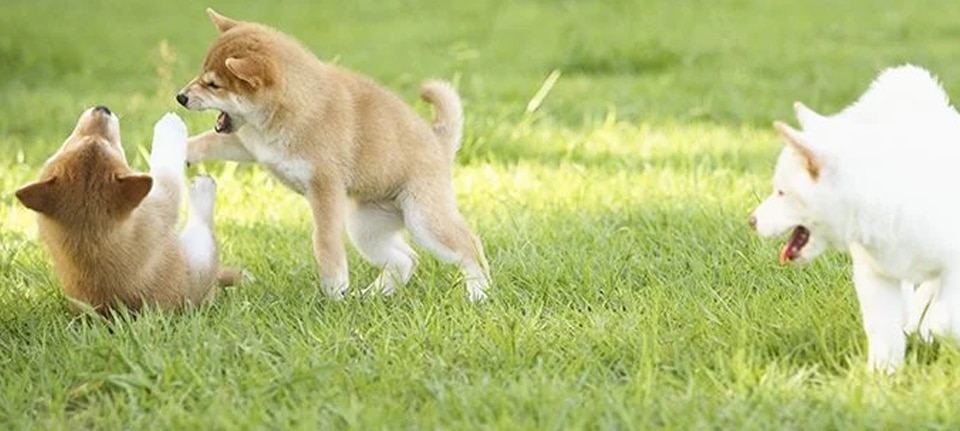
Shiba Inus are known to be one of the most loyal dog breeds in Japan. They might be the smallest, and they are always cheery and bright. But they are not the easiest to train.
These dogs are known to be escape artists. They simply love challenges when it comes to running around. They were bred as hunters originally so they have a natural tendency to do things on their own.
Shibas do not like being kept far from their family members. If you are thinking of putting them in cages, think again. They will run away and find ways to go back home.
Socialization is the key for Shiba Inus. They need training, so they can learn crucial skills in interacting with people and others. This one will help you and them live without boundaries in a happy and peaceful environment.
We have the best tips and tricks to help you. Find out how you can socialize your Shiba Inus properly.
Socializing a Shiba Inu means giving it deliberate, positive experiences with a wide range of people, dogs, places, sounds, and surfaces during puppyhood, always at the dog's own pace, so it grows into a confident, stable adult. The point is not to expose the puppy to as much as possible, it is to make each new thing a good experience, because a bad or overwhelming encounter can create the exact fear you were trying to prevent. Shibas have an aloof, wary streak by nature, which makes early socialization more important for this breed than for a naturally outgoing one, and harder to catch up on if you miss the window. Quality beats quantity every time. A handful of calm, rewarding introductions builds more confidence than a chaotic afternoon at a crowded event. Do this well in the first months and you set up years of easier walks, vet visits, and guests. Skip it and you often spend adulthood managing avoidable fear.
The short version, in four parts:
- Start early. The prime window is the first few months, so begin gently and safely as soon as the puppy is home.
- Quality over quantity. Make each new experience positive and calm. One good encounter beats ten overwhelming ones.
- Cover real variety. People, dogs, surfaces, sounds, handling, and places, all paired with rewards and choice.
- Respect the dog. Watch for stress, let the puppy retreat, and never flood a wary Shiba to toughen it up.
How to Socialize a Shiba Inu
1. Giving young age socialization
All dogs have a puppy developmental stage. During this time, the pup gets training to know what is right and wrong. Their future behavior, temperament, and overall tendencies will be based on it.
Shiba Inus’ puppyhood is an essential part for their owners due to the above reason. As they grow, their independence will show more. It is harder to curb, so grab the chance when they are still young.
Eight to twelve weeks is the most recommendable stage to give a lasting impact for Inus. Be a more responsible owner here, and you will have an excellent companion until the end.
The period is also the time when Inus are weaned from their mother. They will depend mainly on their owners now. Do not be overly excited, and let them warm up right away with your family members.
Always remember that these dogs still have the most wilder instincts. Familiarize them with their people and environment. It will help in reducing fear and anxiety. Accordingly, these two are the causes of aggression.
If you have children at home, let them meet. Let them grow together with your guidance. It will bring bonding experiences. Those will make the dogs more devoted than ever.
2. Attending Obedience Class
Aside from rearing your pup at home well, they can attend puppy school and start obedience training. It will aid more in developing a good demeanor. You are laying the foundation now on how you will get a stress-free furry family member.
The puppy school will give your Shiba Inus time to meet other dogs and people. While with them, the class will be supervised. Anything inappropriate is not tolerated in the obedience class. Hence, they will know when they are wrong.
When destructive behaviors are avoided ahead of time, Inus will not display them as they grow older. Humping, anxiety, biting, dominance will be weaned away from them. They will have more good habits in replacement of them.
Some older dogs may attend the class also. With it in mind, these training centers offer this kind of service for owners who got their pets late. These dogs will meet others of their age and size. Although, the class won’t be as effective as it is when they are still younger.
For some tips in attending dog schools, be patient as an owner. Your pets will massively depend on your commitment. You can’t stop in the middle because it is a nuisance. You are building a promising future for your household with it.
3. Scheduling regular play dates
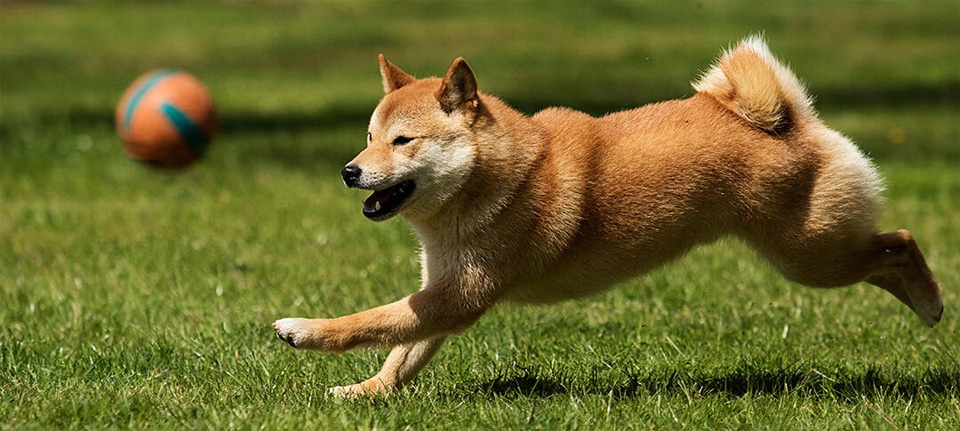
After attending an obedience class, meet other dogs still. Give your pup a structured play schedule where they see others. It will make them learn more and ease aggressiveness.
Build a community with other fur parents near you. These people might be others you met in the dog school. In some cases, there is a broad dog community already in a few places. You can approach them and attend their playdates.
There are events made for dogs too nowadays. There are pet stores and pet facilities initiating fun runs, dog festivals, and many others. These are great opportunities to get your dog active while enjoying different things.
4. Going to dog parks
Bonding is a great way to socialize Shiba Inus too. When we say bonding, a quick run or walk to the dog park is also great. This one is the easiest thing to do here because you do not need to mind anyone.
Take your time; dog parks are often available at any time of the day. Your quick spree could happen even after your work or even before it.
This is also an excellent opportunity if you want them to spend time with other family members. With the dog, have a good time playing around and staying for a picnic. Bring loads of food and plan several activities.
Your Shiba Inus will not only love going wild this time. They will have a wonderful time spending the day with their whole pack.
To make a memorable and enjoyable day, there are few things you need to know. Make sure that your dog feels great before going to the park. Check for any health issues first. Better feed them ahead of time too.
Your location must be well planned also. Find a place where there are fewer people and animals.
5. Going to doggy daycare
Doggy daycares are places where we can leave out Shiba Inus. Owners usually do it when they need to go to work or go somewhere necessary. It is a possible location to socialize as well.
In daycares, these are always supervised by trained individuals. Do not fear if you will need to bring your Inu here. They often have the best care and facilities. They will be comfortable while having fun. Think like you get your child to play with some friends. It is technically the same.
There are a lot of activities done in doggy daycares. The dogs will have lots of similar events where they will spend their energy levels. There are playgroups, and sometimes they even exercise with hurdles and others.
Any untoward behaviors will not be tolerated. More so, the attendant will break these kinds of things. Any dominant act is recorded along with destructive tendencies. In some cases, the dogs are taken from others when they show it. This one is their time out until they agree with others again.
More Tips for Shiba Inu Owners
1. Do not tolerate aggression
Most owners go over and beyond when it comes to their Shiba Inus. When it comes to their behavior, set up their boundaries ahead of time. Do not let them do what they want. Make good tendencies their habits.
2. Structure healthy habits
Being overweight is common for dogs. Your Shiba Inus might look cute when they are meatier, yet it is unhealthy. Think about their health first and do something about it. Jogging is an excellent way to ease their anxiety and to spend their energy level. Give them healthy meals too.
3. Don’t leave Inus on their own
Dogs are social animals. If you want a healthy one, give them love and time. Shiba Inus love spending time with their human companions. When you leave them for a long time, it brings depressive emotions.
The emotions will result in destructive behaviors. Avoid leaving them long to curb this problem. Nourish their mind and body together.
A socialization plan for a Shiba Inu
Good socialization is structured, not random. You are deliberately building a bank of positive associations before the puppy's brain closes its most impressionable window. Here is the plan we give every new Shiba owner, in order of priority.
- Start in the critical window. The most impressionable period runs through roughly the first three to four months, and experiences during it shape lifelong temperament. Begin gently the day the puppy comes home. You do not get this window back, so it is the one part of socialization with a real deadline. Talk to your veterinarian about safe exposure before the vaccine series is complete.
- Make every exposure positive. Pair each new person, dog, or place with treats, play, and calm praise, so the puppy learns the world predicts good things. Forcing a wary puppy toward something scary, or letting a stranger loom over it, teaches the opposite. With a naturally aloof breed, a bad first impression sticks, so protect the quality of each introduction. This is where reward-based methods, covered in our guide to positive reinforcement, do their work.
- Cover genuine variety. Work through a real checklist: different people (ages, sizes, hats, beards, wheelchairs), calm vaccinated dogs, surfaces like grass, metal, and tile, sounds like traffic and vacuums, car rides, and gentle handling of paws, ears, and mouth for future vet and grooming visits. Breadth now prevents narrow fears later.
- Read the dog and respect thresholds. Watch for stress signals, a tucked tail, lip licking, yawning, freezing, or trying to leave, and back off distance or intensity when you see them. Always leave the puppy an exit and let it approach on its own. Flooding an overwhelmed Shiba does not build confidence, it builds avoidance, and it is the most common way owners create the fear they meant to prevent.
- Keep it up past puppyhood. Socialization is not a box you check at four months. Adolescent and adult Shibas need ongoing positive exposure to stay confident, and a dog that was well socialized as a puppy can still regress if it stops meeting the world. Maintenance matters, especially through the wary adolescent stage.
One puppy owner, worried about missing the window, took a young Shiba to a loud, crowded farmers market on day two and let strangers crowd and grab at it. The puppy spent the whole time trying to hide, and for weeks afterward it shrank from new people. That was flooding, not socialization. We rebuilt slowly, with calm one-on-one introductions and treats, letting the dog choose to approach, and its confidence came back. More exposure was not the answer, better exposure was. It is a distinction that decides how socialization turns out.
What we have seen across the pack
Across 250-plus Shibas placed since 2019, the single best predictor of an easy adult dog is thoughtful early socialization. Well-socialized Shibas handle vet visits, guests, and busy walks with far less stress, while under-socialized ones account for a large share of the fear and reactivity we help owners untangle later. The breed's natural wariness means the gap between a socialized and an under-socialized Shiba is wider than it would be for an outgoing breed. The good news is that even adult and rescue Shibas can gain confidence with patient, positive work, though it is slower than doing it early.
The honest caution is that socialization is not the same as fixing fear or aggression, and the two get confused. Socialization builds positive associations in a puppy with a relatively open mind. A dog that is already fearful or reactive needs a different, more careful process of desensitization and counterconditioning, often with a credentialed trainer or veterinary behaviorist, and pushing a reactive dog into "socialization" can make it worse. If early exposure reveals real fear rather than simple unfamiliarity, that is worth reading our aggression and reactivity guide and getting help. Owners who use our one-on-one training often start here, sorting out whether a young Shiba just needs more good experiences or is showing something that needs a real behavior plan.
Related questions
What is the best age to socialize a Shiba Inu?
The prime window runs through roughly the first three to four months, when a puppy's brain is most open to forming positive associations. Start gently as soon as the puppy is home, and check with your veterinarian about safe exposure before vaccinations are complete. You can and should keep socializing after that, but the early window is the one with a real deadline, so do not waste it.
Can you socialize an adult or rescue Shiba Inu?
Yes, though it is slower and gentler than socializing a puppy. Adult and rescue Shibas can absolutely gain confidence with patient, positive exposure that respects their pace. The difference is you may be working against existing fears rather than a blank slate, so you go carefully and avoid flooding. If an adult shows real fear or reactivity, involve a qualified professional rather than pushing exposure.
My Shiba is scared of new people and dogs. Did I miss the window?
Not necessarily, and it is rarely too late to help. A missed or rushed socialization window makes things harder, but patient desensitization and counterconditioning can still build confidence. The key is to work under the dog's fear threshold, reward brave choices, and avoid forcing contact. If the fear is significant, a certified trainer or veterinary behaviorist will get you further than going it alone.
What to read next
Pair this with our socialization training guide and the broader Shiba Inu training overview, and ground your rewards in training a Shiba with positive reinforcement. If early exposure surfaces real fear, read the aggression and reactivity guide, and our one-on-one training can help you tell unfamiliarity from fear.
Looking to adopt or rehome a Shiba?
Rescue-first rehoming with vetted families, 1-year health guarantee, lifetime support.