The tear-jerking movie about a loyal dog “Hachiko” and the famous meme “Doge” might be two different concepts, but one thing they have in common is the Shiba Inu dog breed. This particular breed has a mischievous fox-like face that can charm humans to no end. But is the Shiba Inu for first-time dog owners? What characteristics of this breed might make it difficult for new fur parents?
The Shiba Inu is not a typical first pick for beginners, but a committed first-time owner who researches the breed and commits to training can absolutely make it work.
This breed carries an independent streak, a strong prey drive, and a talent for escaping, which punishes the trial-and-error approach many new owners lean on. That is why Shibas land on so many "not for beginners" lists. The honest nuance is that the label is about preparation, not about being new. A researched, patient first-time owner often does better than an experienced owner who assumes a Shiba behaves like their last dog. Go in with clear eyes and the breed can be a superb companion.
The short version, in four parts:
- Recall is hard because the prey drive is strong, so leashes and secure yards are non-negotiable.
- Stubborn independence means training rewards patience, not repetition.
- Daily exercise and mental stimulation are requirements, not extras.
- Preparation matters more than experience, so research the breed before you commit.
About the Shiba Inu Breed
The Shiba Inu is an ancient Japanese dog breed originally bred to hunt. They are well-muscled, energetic, good-natured, and have a strong prey instinct.
This dog breed is Japan’s most popular companion dog and is recognized as one of the country’s national treasures. It was bought to America 60 years ago, and since then, it has grown in popularity in the west.
They are characterized by their fox-like face, thick coat in colors red, red sesame, or black and tan, distinct white markings, pointed ears, and curly tail. The Shiba Inu is very perceptive, loyal, and an amazing escape artist. They are good companions if you are an experienced dog owner.
But what if it’s your first time taking care of a dog? Is the Shiba Inu for first-time dog owners? Let’s find out.
What you need to know about the Shiba Inu
Shiba Inu puppies are extremely adorable, and first-time dog owners would be tempted to take one home. However, with Shiba Inu, we strongly advise researching and knowing everything you must before deciding to go with this breed as your first pet.
So is the Shiba Inu for first-time dog owners? This article will discuss everything from temperament to health so you’d know if this breed is for you.
Temperament and Personality
The Shiba Inu is a confident dog. They are very alert, loyal, and energetic. This dog breed is the perfect companion for humans who live an active lifestyle. However, due to their strong hunting instincts, they tend to be independent and territorial.
Inquisitive. Shiba Inus are playful and good-natured. They want to be involved in everything their owners do around the house.
Dominant. They have a dominant nature that proves to be a problem if they are left as is. This is why it is important to set boundaries early, and owners should take an unaggressive alpha role, so their Shiba knows who is in charge.
Stubborn and independent. As mentioned, Shiba Inus were bred to be hunting dogs, so they have a strong prey drive. They are best kept on a leash, especially in an area with small animals.
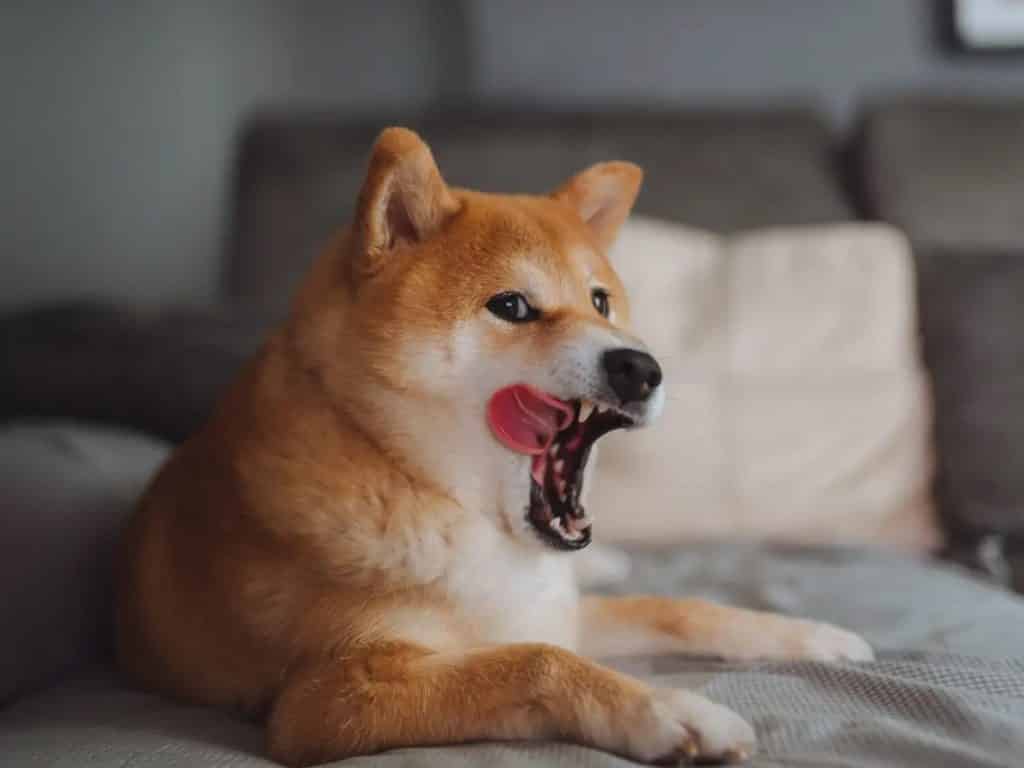
Vocal dogs. Shina Inu owners have grown accustomed to the “Shiba Scream,” but new fur parents find this a bit overwhelming. Shiba Inus are vocal dogs. They are not big barkers, but they have different ways of communication. They yodel when they want attention and release a high-pitched scream when excited.
Impatient. Shiba Inu for first-time dog owners or families with young children might not be the best choice, as kids might test their impatient side. However, they are wonderful companions for experienced fur parents.
Territorial. The Shiba Inu breed does not share well. They are guard dogs and are extremely loyal to their owners to the point they don’t care much for other things. This leads to them worrying about their fur parents. Sometimes, they aggressively guard their food, toys, or territory. Also, remember that they might not get along with other dogs as much.
Training
Shiba Inu needs a lot of exercises and mental stimulation. This is why they are perfect companions for people leading an active lifestyle. This is to avoid boredom and to help them maintain an ideal weight.
The Shiba Inu is an extremely intelligent breed. They are easy to train but can be headstrong sometimes. This is why the Shiba Inu for first-time dog owners can be challenging.
This is why recall training is important to Shiba Inu’s training. Since they have a hunting instinct, they are attracted to chase anything that moves, especially smaller animals.
How to keep your Shiba Inu happy?
A bored Shiba Inu is not something you would want. When they are too bored, they tend to have destructive behavior, such as chewing at furniture, scratching doors, or unrolling the toilet paper. One of the best ways to prevent this is to indulge them in mentally stimulating activities with interactive toys and games.
And while they might be independent, they love affection, attention, and involvement in every little thing their humans do.
Exercise
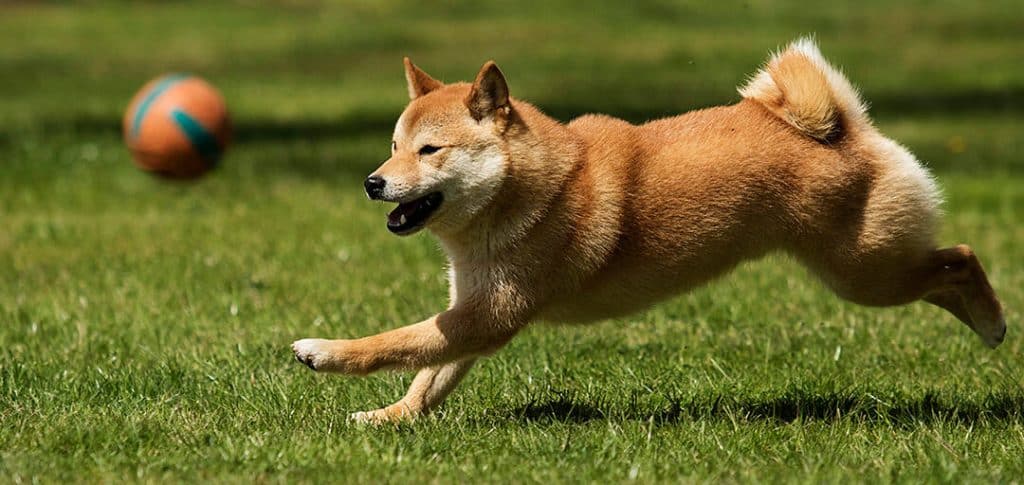
The Shiba Inu breed needs 40 to 60 minutes of exercise every day. This is enough for their energetic and active personalities. A long walk that stimulates their smelling and hearing senses is one way. You can also try off-leash activities but make sure to do it in safe and enclosed areas, with no holes or opportunities for your Shiba to run off.
Since Shiba Inus are inquisitive dogs, this means they love problem-solving games. They are often fond of interactive toys such as treat-dispensing toys that mentally stimulate them. You can also try hiding treats around the garden for a simple but fun hunting activity.
Nutrition
The Shiba Inu is a small but active dog. Their nutrition plan should be appropriate for them to maintain a healthy weight.
This dog breed is food motivated. So make sure they take a healthy and appropriate diet and choose good quality food in ideal-sized portions. Measure their food to avoid overfeeding. The Shiba Inu will thrive if they have a balanced diet and good-quality dog food.
Is the Shiba Inu for First-Time Dog Owners?
Shiba Inus are not usually recommended if you are a first-time dog parent. Their primitive and stubborn traits might be too much, especially if you haven’t done enough research on this breed.
However, it doesn’t mean that it is a complete no-go. First-time fur parents who have thoroughly researched Shibas and their personality and are determined to train and socialize them will find this breed an excellent life companion.
Four Things a First-Time Owner Should Weigh
The title promises four things to consider, so here they are in the order they tend to trip up new owners. This is the practical layer beneath the temperament notes above.
- Recall and prey drive. A Shiba will chase a squirrel across a road without a backward glance. Reliable offleash recall is difficult with this breed, so plan on a leash in open areas and a genuinely secure yard. This is the single trait that catches unprepared owners off guard the most.
- Stubborn independence. Shibas are smart, but they are not eager to please for its own sake. Training works when it is short, positive, and rewarding, and it stalls when it becomes a battle of wills. A beginner who expects instant obedience will get frustrated. One who trades treats for cooperation will get results.
- Exercise and mental stimulation. A bored Shiba redecorates your home. Daily physical exercise plus problem-solving games are the baseline, not the bonus round. First-time owners who underestimate this end up with the destructive behavior, not a defective dog.
- The escape-artist factor. Shibas open gates, scale fences, and bolt through cracked doors. A first-time owner has to think like a dog that wants out, because this breed genuinely does. Secure containment is a safety issue, not a preference.
One first-time owner we placed a Shiba with after 2019 did the reading, dog-proofed the yard, and treated recall as a lifelong project rather than a checkbox. Two years in, the match is thriving. A different applicant wanted the dog for the look and had not considered the prey drive at all, and we steered them toward a better-suited breed before placement. Preparation, not experience, made the difference. For the full decision framework, read is a Shiba Inu right for me, and for the counterargument in detail, see why Shibas are not for first-time owners.
What We Tell First-Time Owners Before They Commit
Since 2019 we have placed more than 250 Shibas, and a fair number went to first-time owners who did great. The deciding factor is almost never experience level. It is whether the person did the homework and made peace with the breed's quirks before bringing the dog home.
What works: a beginner who reads widely, sets up secure containment, commits to daily enrichment, and treats training as a patient long game. What does not work: falling for the fox face and the meme, skipping the research, and assuming love will substitute for structure. The Shiba does not grade on affection. It grades on preparation.
We would rather have an honest conversation upfront than place a dog that comes back. That candor is part of why our take-back rate sits near 4 percent. If you are a first-time owner leaning toward a Shiba, our 1-on-1 training can shorten the learning curve considerably, and starting training early is the best insurance against the common beginner mistakes.
Related Questions
Can a first-time owner successfully raise a Shiba Inu?
Yes, but it takes more homework and commitment than most beginner breeds ask for. A first-time owner who researches the breed honestly, sets boundaries early, invests in training, and accepts the Shiba's independent streak can absolutely succeed. The failures we see are rarely about the person being new. They are about someone who wanted a cuddly meme dog and got a stubborn, escape-prone hunter instead.
What makes Shiba Inus hard for beginners?
Four traits stack up: a strong prey drive that makes recall unreliable, a stubborn independence that resists repetitive obedience work, a talent for escaping fences and doors, and low tolerance for rough handling. None of these are dealbreakers on their own, but together they punish the improvisation that many new owners rely on. Structure and preparation matter more with this breed than with a forgiving one.
Is a Shiba or a Labrador better for a first dog?
For a beginner who wants an easygoing, people-pleasing dog, a Labrador is the shorter path. A Shiba rewards a specific kind of owner: someone who enjoys an independent, catlike dog and does not need constant obedience to feel bonded. Neither is wrong. The question is which temperament matches your expectations and how much training time you can realistically give.
What to Read Next
For the complete decision, start with is a Shiba Inu right for me. Then weigh both sides with why Shibas are not for first-time owners and reasons for a Shiba Inu. And if you decide to move ahead, our rehoming process begins with an honest fit conversation before any match.
Looking to adopt or rehome a Shiba?
Rescue-first rehoming with vetted families, 1-year health guarantee, lifetime support.