Want a structured self-assessment? Take the Is a Shiba Inu Right for Me? quiz.
Author: Jonathan K., Founder & Owner Published: 2026-05-21 Category: Breed Expertise Word count target: 1200-1500
A Shiba Inu is the wrong first dog for most people, and the rare first-time owners who make it work prepare for months and stay humble about what they do not know.
The honest paragraph below spells out why. If you want the summary before the argument, here it is in four scannable parts, and then keep reading for the version that does not pull punches.
The short version, in four parts:
- Shibas are bred to think independently, so they do not work for a soft owner the way a Lab does.
- Prey drive makes offleash recall the hardest training task most owners will ever attempt.
- New owners usually lack the pattern recognition to tell a normal quirk from a real problem.
- The exceptions succeed on preparation, humility, and a stable home, not on enthusiasm.
The honest answer in one paragraph
A Shiba Inu is not a good first dog for most people. They are stubborn, independent, prey-driven, and built to outsmart a soft owner. They will not work for you the way a Labrador or a Golden will. If you have never raised a dog as an adult, a Shiba is going to teach you the hard way what you did not know. After 250+ placements at NorCal Shiba, I can count on two hands the number of first-time owners who have done well with one, and every single one of them came in with a level of humility and preparation that is rare.
If that paragraph annoys you, this post is for you. Keep reading.
What makes the breed hard
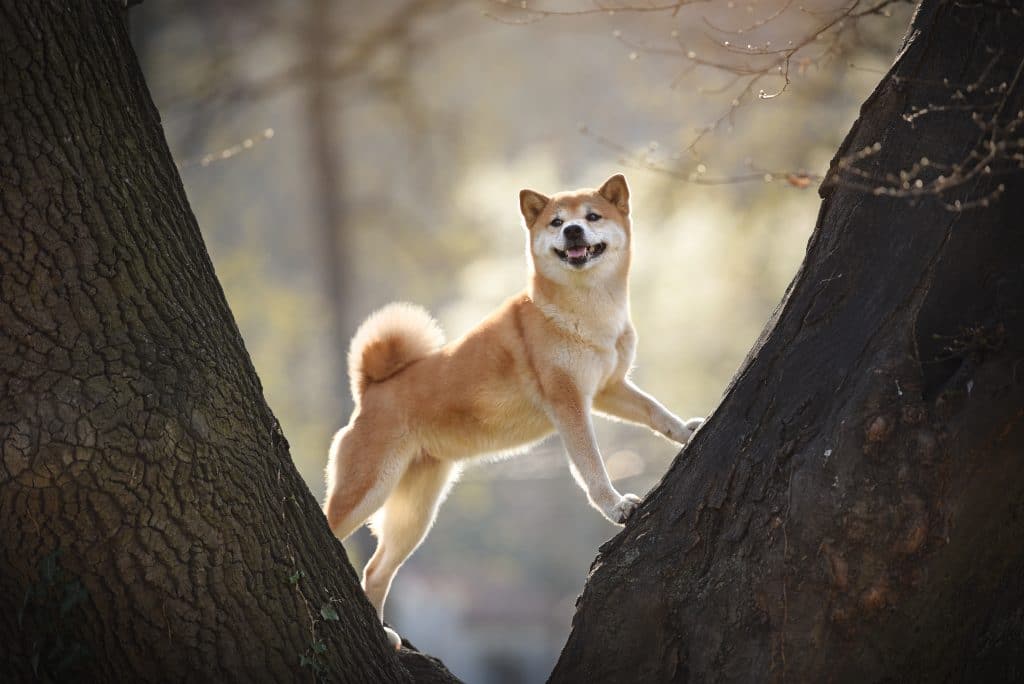
The Shiba was bred in Japan for hunting small game in mountainous terrain. They are confident, agile, and built to make decisions without a human in the loop. That last part is the one new owners miss. A Shiba will look at you, register your command, evaluate it, and decide whether to comply. They are not defiant. They are deliberate.
Three traits make them especially tricky for new owners.
Independence. Most popular first-time breeds (Labs, Goldens, Cavaliers, Doodles) are bred to please. A Shiba is not. They love their family, but they do not need constant validation, and they do not respond to "good boy" energy the way a Lab does. New owners often interpret this as the dog not liking them. The dog likes them fine. The dog is not a Lab.
Prey drive. A Shiba off leash in an unfenced area is a flight risk. They will chase a squirrel across a four-lane road. They will not come back when called if the scent is fresh. Recall in a Shiba is real but it is the hardest training task most owners will ever take on, and most first-time owners do not finish it.
Resource and space sensitivity. Shibas can guard food, toys, beds, or even a specific corner of a couch. It is manageable with the right approach. It is not always intuitive to a first-time owner who has watched videos about positive reinforcement and expects a dog that will trade a bone for a treat without thinking.
What new owners think they know (and usually do not)
The most common pattern I see in first-time owner applications is overconfidence dressed up as research. People watch a hundred TikToks, read three books, and arrive convinced they have the breed figured out. The internet has flattened the Shiba into a meme: the smug face, the dramatic scream, the refusal to walk. Cute, viral, and missing about 80% of the actual experience.
The 80% that does not make it into videos is the work. The leash that takes six months to feel reliable. The crate training that requires a specific kind of patience. The fact that your first Shiba will probably embarrass you at the dog park in the first month. The shedding that genuinely surprises you twice a year (see our shedding survival piece). The vet bills that come for a breed that is generally healthy but, when something goes wrong, tends to go wrong specifically.
A first-time owner often does not have the calibration to tell the difference between a normal Shiba quirk and a real problem. They escalate small things and underreact to serious things. That is not a moral failure. It is a lack of pattern recognition, and pattern recognition takes years.
The exceptions
I said earlier that I have seen a handful of first-time owners do well. They share a few things.
They prepared for at least six months before applying. Not "I watched videos" preparation. The kind where they shadowed a friend's Shiba for a weekend, talked to a trainer who works with the breed, and read primary sources like the AKC Shiba breed profile rather than meme accounts.
They came to us asking questions, not asserting expertise. The phone screen with a good first-time owner sounds like an interview the wrong way around. They ask, we answer, they ask more.
They had stable lives. Not perfect, not affluent. Stable. A predictable schedule. A home that was not in flux. A partner or roommate who was equally bought in. A budget that could absorb a $3,000 vet emergency without panic.
They were honest about what they did not know. "I have never crate trained a dog" is a workable starting point. "I know how to handle this breed" before you have ever had one is not.
What I tell first-time owners on the phone screen
If you are a first-time owner and you are still reading, this is what I would say if we were on the phone. Three pieces of advice.
First, slow down. The decision to bring a Shiba into your home is a ten-to-fifteen-year decision. You can take three more months to prepare without losing anything.
Second, find a trainer in your area who has worked with Shibas specifically. Not "all breeds welcome." A trainer who can tell you a story about a Shiba they helped, and the story should not be about a Shiba that was easy. If your prospective trainer says "all dogs are the same with positive reinforcement," look harder.
Third, be honest with yourself about why you want this breed. If the answer is "they are beautiful" or "they look like a fox" or "they are independent like me," pause. Beauty is a bad reason to choose any dog. Independence in a dog often means independence from you. If you want a dog that will sleep at your feet and follow you to the kitchen, do not choose a Shiba.
When a first-time owner is the right home
Sometimes a Shiba comes to us who is actually a great fit for a first-time owner. An older dog (eight or nine) who has settled, who knows the routine, who needs a quiet retirement home. A dog who was overbred for show and just needs a couch and a person. These dogs exist, and we sometimes place them with first-time owners who are humble, prepared, and home a lot.
If you read our adoption process, you will see that we match the dog to the family, not the family to the breed. A first-time owner is not disqualified. The wrong first-time owner is.
What to do if you have read this and still want a Shiba
Apply. Tell us in the application that you are a first-time owner. Do not hide it. We will not penalize honesty. We will probably ask you to spend an hour with one of our fosters before the home visit, just so you can see the breed in real life. Some applicants come back from that day even more committed. A few come back and say "I thought I wanted one of these and I do not." Both are fine outcomes.
If you are not ready, the rehoming side of our work is partly here for exactly this reason. We do not want the next Shiba surrendered to us to come from a first-time owner who jumped in without thinking. So we are slow at the front door on purpose.
A Shiba is a wonderful dog for the right family. The right family is usually not a first-time owner. Sometimes it is. Sometimes the prepared, humble, stable first-time owner is the best home that specific dog will ever have. We just have to find out which kind of first-time owner you are, and that takes time.
Jonathan K. is the Founder and Owner of NorCal Shiba. He has lived with Shibas for over 15 years and helped place 250+ of them since 2019.
A Preparation Checklist Before You Apply
If the honest paragraph did not scare you off, put that energy into preparation. This is the concrete work that separates the first-time owners who succeed from the ones who surrender a dog six months in.
- Spend real time with the breed first. Not videos. Shadow a friend's Shiba for a weekend or spend a day with one of our fosters. Watch what an ordinary Tuesday actually looks like, including the stubborn moments the internet edits out.
- Line up a breed-savvy trainer before you adopt. Find someone who can tell you a story about a hard Shiba they helped, not someone who says all dogs respond the same to positive reinforcement. Have that relationship ready on day one.
- Secure your home and yard. This breed opens gates, scales fences, and bolts through cracked doors. Treat containment as a safety project before the dog arrives, not a problem you solve after the first escape.
- Build a financial cushion. A stable owner can absorb a large vet emergency without panic. If a sudden bill would break you, wait until it would not.
- Write down your real reason for wanting one. If it is the fox face or the meme, pause. Beauty and independence are poor reasons to take on a ten-to-fifteen-year commitment with a demanding breed.
Preparation is the whole game with this breed, and it is the same groundwork covered from the decision angle in is a Shiba Inu right for me and from the practical angle in is the Shiba Inu for first-time dog owners.
How Our Process De-Risks a First-Time Adoption
Since 2019 we have placed more than 250 Shibas, and we are deliberately slow at the front door precisely so first-time owners do not become the source of the next surrender. We do not disqualify first-time owners. We work to find out which kind you are before a dog goes home with you.
What works: matching the specific dog to the specific home, having applicants spend an hour with a foster before the home visit, and being blunt when the fit looks wrong. Some applicants leave that foster day even more committed, and a few realize the breed is not for them. Both outcomes save a dog from a failed placement. What does not work: rushing an eager but unprepared owner into a headstrong puppy and hoping for the best.
For owners who want to go in with clear eyes, a structured behavioral evaluation gives you a professional read on a specific dog's temperament before you commit, which is one of the most useful things a first-time owner can do. It turns a guess into an informed decision, and with this breed that difference is everything.
Related Questions
Can a first-time owner ever succeed with a Shiba Inu?
Yes, but it is the exception rather than the rule, and it hinges on preparation and humility rather than luck. The first-time owners who thrive tend to spend months getting ready, seek out a trainer who knows the breed, keep a stable home, and stay honest about what they do not know. If you can do those things, a Shiba is possible. If you are counting on the dog to be easy, it will not be.
What first dog is easier than a Shiba Inu?
Breeds developed to work closely with people, such as Labradors, Golden Retrievers, and many Cavaliers, are far more forgiving of a new owner's mistakes because they are wired to please. A Shiba is wired to think independently. If this is your first dog and you want a smoother learning curve, a people-pleasing breed will teach you the basics with less friction, and you can always choose a Shiba later once you have experience.
Is an older Shiba better for a first-time owner?
Often, yes. A settled older Shiba who already knows a routine and needs a quiet home can be a much gentler introduction to the breed than a headstrong puppy. These dogs exist and we sometimes place them with prepared, humble, home-a-lot first-time owners. It is one of the clearest paths to a good first Shiba experience, and worth asking us about directly if the breed has your heart.
What to Read Next
Take the structured self-assessment in is a Shiba Inu right for me, then weigh the practical trade-offs in is the Shiba Inu for first-time dog owners and the upside in reasons for a Shiba Inu. When you are ready, a behavioral evaluation gives you a professional read before you commit.
Looking to adopt or rehome a Shiba?
Rescue-first rehoming with vetted families, 1-year health guarantee, lifetime support.