Joints are where two bones meet. They are fluid and are important factors in making your dog move. However, due to friction of everyday movements, wear and tear occurs and over time, this will result in pain and weakness in your Shiba Inu’s joints.
And this is why it is essential, we, pet owners, are aware of the precautions we can take to ensure our Shiba Inu have healthy joints, as well as the common joint problems our pet might be exposed to.
Caring for a Shiba Inu's joints is mostly a game of prevention played over years, and the four levers that matter most are healthy weight, sensible exercise, good footing at home, and early attention to any change in movement. Shibas are stoic, so they hide joint discomfort well, which means the owner has to watch for subtle signs like hesitation at the stairs or a new reluctance to jump rather than waiting for an obvious limp. Some joint problems are developmental and present from birth, while others come from ordinary wear over time, and both are managed better when caught early with a veterinarian in the loop. None of this is complicated, but it does ask for consistency, because joints reward good habits kept up for the long haul.
The short version, in four parts:
- Keep your Shiba lean, because extra weight is the heaviest load a joint carries.
- Exercise regularly but sensibly, matching intensity to the dog's age and condition.
- Give good footing at home and watch for early, subtle changes in movement.
- Loop in your vet early, since supplements and treatments work best before damage sets in.
Symptoms of joint problems in dogs
Joint problems are very common medical issues with dogs. They have a lot of different causes which you should take note of and never ignore.
Usually, it is senior dogs that are more at risk of joint pains. However, large breeds are also observed to be more prone to joint problems because of their size and weight.
However, this does not mean that small or medium-sized dogs are completely free of this medical concern. Obesity, physical trauma, or other diseases can also lead to joint problems, regardless of size.
Another thing to remember is that there are joint problems that are more present in specific breeds and can rarely be seen in others.
So if you see your Shiba Inu displaying the following signs, it’ll be worth taking them to the vet and checking them.
Struggling to get on and off the couch. Dogs are masters at getting on and off the couch, especially bigger breeds. But joint problems can make even this easy task painful and uncomfortable. No fret if it happened once or twice, dogs can be clumsy, after all. But if it has been re-occurring, joint issues might be at hand.
Decrease in activity. Older dogs usually lose interest in running and playing and joint problems also attribute to this. But, if your Shiba Inu suddenly stops or there is a significant decrease in activity, there might be underlying joint pain.
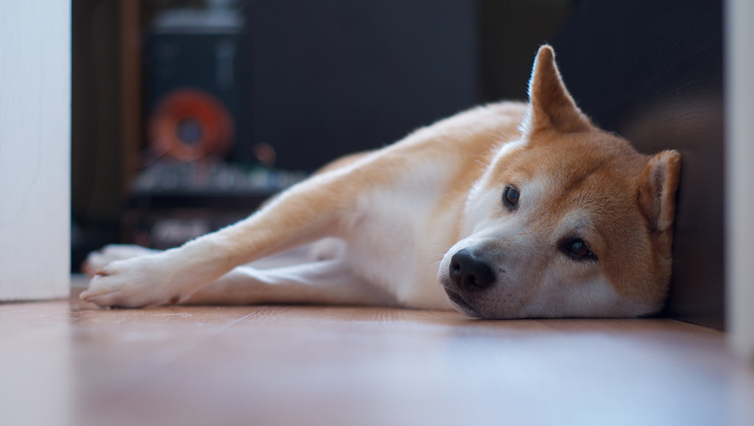
Unusual sleeping and sitting positions. Joint issues can also make the comfiest position uncomfortable. If you observe your Shiba Inu sleeping or sitting in an unusual position, joint pain might be present.
Irritability. When we are not feeling well, certain things tick us off and that’s how dogs usually react, as well. Unknowing to their discomfort, we might try to play with and touch them in painful places. Keep in mind, irritability is also a sign of different medical conditions.
Lameness and limping. As the condition develops, so does the symptoms. When the pain becomes stronger, your Shiba will find it hard to use his limbs and will avoid stepping on them.
Painful whimpers. Dogs can’t exactly tell you word for word their feelings, but they can certainly whimper and that should tell you something. When the pain is too much, your Shiba will whimper in pain, and when he does, immediately take him to the vet.
Common joint issues in dogs
Two types of joint issues might hurt your Shiba Inu: degenerative and developmental joint pain.
Developmental Joint Issues
Developmental joint issues are conditions from birth. These are caused by genetics, where your puppy’s joints don’t develop properly when young. Examples of this are elbow or hip dysplasia.
These issues are commonly seen in larger dogs but can also be present in pups of different sizes. Rottweilers, for example, are prone to developing knee and ankle joint problems, and Bernese Mountain Dogs are prone to elbow dysplasia.
Degenerative Joint Issues
Degenerative joint issues, on the other hand, are caused by wear and tear. This happens over time. The most common under this kind are cruciate ligament problems, where tissues degenerate because of repeated use. Complications and severe pain might develop as a result.
Degenerative joint issues have different causes, from stress fractures to injuries and osteoarthritis. They are also common with larger dogs since their weight strains their joints more.
Here are the common causes of joint pain:
- Arthritis
- Hip dysplasia
- Elbow dysplasia
- Dietary and hormonal diseases (e.g. hyperparathyroidism, obesity)
- Cancer
- Inflammatory joint disease
How to take care of your Shiba Inu’s joints
It is unfortunate if your Shiba is born with a joint issue, but if he’s not, nothing should stop you from trying to make sure his joints are healthy as he grows.
Here are two things you can do to care for your Shiba Inu’s joints.
Proper exercise
Exercise plays a huge factor in your dog’s quality of life. It is responsible for many factors, such as bodily functions, physical, and even emotional aspects.
However, when your dog gets older, even exercising, activities that he loves will become a challenge. This is why it is important to recognize signs of pain early on to prevent it from worsening.
Here are exercises that are beneficial but not as taxing for your dogs:
Hydrotherapy. Only some dog owners would usually go for hydrotherapy, but water-based activities are good exercises. They lighten the impact on the joints while still working on important parts of the body. You can hire a hydrotherapy expert or use a home pool.
Walks. Dogs love walking, but as the owner, it is up to you to adjust these walks so that it doesn’t do more harm than good in the future. If you have a puppy, two 20-minute walks might be better than one 40-minute walk. If you have a senior dog, steep hills might not be as beneficial for them.
Playing with other dogs. A good run with fellow dogs is also, and sometimes, the best option. This way, your dog burns energy in the most natural and unrestricted way possible. It also helps with socialization.
Diet
Diet is also a preventive measure for any joint issue, especially if your dog is overweight. For some breeds, being overweight is not obvious, so consult your veterinarian just to be sure.
But those extra pounds can take a toll on your dog’s joints, straining them as they carry your Shiba’s weight.
If your dog is indeed diagnosed with obesity or being overweight, it will break your heart, but you might have to control meals and alter what kind of food you are feeding him.
The Daily Habits That Protect a Shiba's Joints
Joint care is not one big decision, it is a stack of small ones repeated every day. Here are the habits that add up to healthier joints over a Shiba's life.
- Keep the dog lean. Nothing you do matters more than weight. Every extra pound is load the joints carry with every step, jump, and stair. A trim Shiba with a visible waist and easily felt ribs is doing its joints a lifelong favor, and if you are unsure of your dog's ideal weight, your vet can set a target.
- Right-size the exercise. Movement keeps joints healthy, but the type and amount should match the dog. A young Shiba does better with two shorter walks than one long forced march, and a senior may need to skip the steep hills. The goal is regular, moderate activity, not weekend-warrior bursts that leave the dog sore.
- Favor low-impact activity. Water-based exercise like swimming or hydrotherapy works the body while sparing the joints, which makes it useful for dogs already dealing with wear. Flat, steady walks and gentle play with other dogs also burn energy without pounding the joints the way repeated hard landings do.
- Fix the footing at home. Slick floors make a dog scramble, and scrambling is hard on joints. Runners and rugs on smooth surfaces give traction, and for dogs that struggle with height, a ramp or step spares them from launching on and off the couch or into the car dozens of times a week.
- Feed for joint health. A quality diet that keeps the dog lean is the foundation, and your vet may add joint-supporting nutrients or a supplement built around glucosamine and omega-3s. This is where diet and supplements overlap, and it is worth coordinating both with a professional rather than guessing.
- Watch for early signs. The dogs who age best have owners who catch trouble early. Hesitation at the stairs, a new unwillingness to jump, an odd sleeping position, or stiffness after rest all deserve attention. Mentioning a small change at a routine visit beats waiting for a limp.
A composite: a middle-aged Shiba we will call Riku started taking the stairs one at a time and skipping his usual couch perch. His owner nearly wrote it off as laziness. A vet visit caught early joint change, and a plan of a few lost pounds, softer footing, shorter walks, and a vet-chosen supplement kept Riku moving comfortably for years. The win was not any single fix. It was noticing early and acting.
If you want to compare specific products, our roundup of the best joint supplements for dogs breaks down the ingredients, and owners weighing whether this active breed fits their home should read is a Shiba Inu right for me.
What Years of Boarding Shibas Taught Us About Joints
Since 2019 we have placed more than 250 Shibas and boarded a steady stream of others, and watching so many dogs age has made the patterns hard to miss. A few things stand out.
Weight is the whole ballgame. The dogs that stay springy into their senior years are almost always the lean ones. We see heavier dogs slow down earlier and struggle more, and we see lean dogs on modest routines keep going. If an owner asks us the single most useful thing they can do, the honest answer is keep the dog trim, not buy a fancier supplement.
The second pattern is that surfaces matter more than people think. A dog that scrambles on slick floors or launches off high furniture all day is quietly stressing its joints. During boarding we give good footing and discourage the hard leaps, and we notice which dogs move stiffly first thing in the morning, because that stiffness after rest is often the earliest tell.
The third is that routine, moderate exercise beats the boom-and-bust pattern. A dog that lies around all week and then does a punishing hike pays for it. We keep boarding dogs on steady daily walks matched to their age and condition, which keeps joints working without overloading them.
We are not veterinarians, and none of this is a diagnosis or a treatment plan. What we can do is keep your dog lean, moving sensibly, and on good footing, and flag anything that looks like early joint trouble so you can take it to your vet. If you want that kind of attentive, joint-aware care while you travel, that is what our in-home boarding provides.
Related questions
Are Shiba Inus prone to hip or joint problems?
Shibas are a fairly hardy, medium-sized breed and are not among the worst affected by hip dysplasia, but no breed is immune, and any dog can develop joint issues from injury, wear, or extra weight. The practical takeaway is the same regardless of breed odds: keep the dog lean, exercise sensibly, and mention any change in movement to your vet.
What is the best exercise for a dog with sore joints?
Low-impact activity tends to be kindest. Swimming and hydrotherapy work the body while the water carries much of the load, and flat, steady walks keep joints moving without hard landings. The right amount depends on the individual dog, so a dog with known joint issues should have its exercise plan shaped with a veterinarian rather than by trial and error.
When should I take my Shiba to the vet for joint concerns?
Go when you see a pattern rather than a one-off. Repeated hesitation at stairs, a lasting drop in activity, stiffness after rest, limping, or any whimper of pain all warrant a visit. Catching joint change early gives you the most options, since weight, exercise, and vet-directed support all work better before the wear becomes advanced.
What to read next
To compare products, read our roundup of the best joint supplements for dogs, and for the wider aging picture see caring for a senior Shiba Inu. Owners weighing this active breed should start with is a Shiba Inu right for me, and if you travel, our in-home boarding keeps joints moving sensibly.
Looking to adopt or rehome a Shiba?
Rescue-first rehoming with vetted families, 1-year health guarantee, lifetime support.