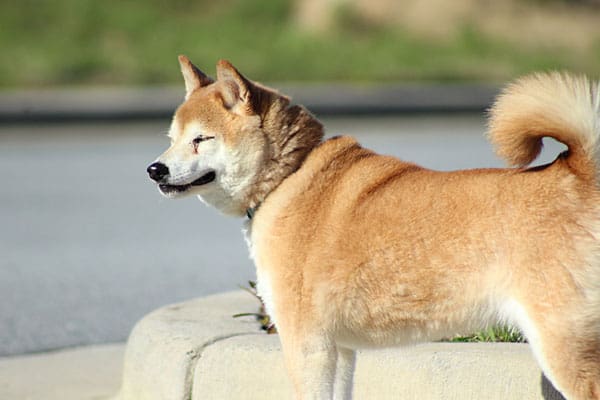
As your Shiba Inu approaches old age, you should also start preparing for their older years. Senior dogs require a different kind of care than puppies. Since they are more prone to diseases and illnesses, dog owners need to be more cautious of their health. This is why it is important that you should know how to care for senior Shiba Inus.
Caring for a senior Shiba Inu means adjusting for a body that is slowing down: more frequent vet checkups, a diet matched to a lower activity level, softer bedding, easier access around the house, and a sharper eye for the health issues that come with age. Shibas often stay sprightly into their teens, which can fool owners into missing the early signs of arthritis, dental disease, kidney or heart changes, and vision or hearing loss. The goal is not to slow them down for its own sake, it is to catch problems early and keep them comfortable. Your vet becomes a more regular part of life in these years, and that is a good thing.
The short version, in four parts:
- Vet visits get more frequent, and senior bloodwork catches what a physical alone cannot.
- Diet and weight matter more, because extra pounds punish aging joints.
- Comfort upgrades (soft beds, traction, ramps) keep a stiff Shiba mobile.
- Watch for subtle changes, because seniors tend to hide decline until it is advanced.
What to expect as your Shiba Inu ages?
Your Shiba Inu has grown older and you are starting to see signs of aging. What more should you look out for? Since its immune system has weakened, your Shiba Inu is now at higher risk of diseases and illness, as well as degenerative diseases. This can lead to arthritis and will cause him to slow down. He may not be able to walk or play for longer periods, gets tired easily, and might also have difficulties in getting up, looking for a comfortable sleeping position, and going up and down the stairs.
Several senior dogs also suffer from kidney disease, liver disease, heart disease, and other serious health conditions that lead to weight loss, extreme lethargy, and pain. There are also senior dogs that have become immensely passive and have gained excessive weight, causing obesity.
Care for Senior Shiba Inu: Tips and How-to
A Shiba Inu is considered a senior after the age of 10. Once they’ve entered these tender years, it is best to acknowledge that your lovable pooch is not as energetic as before and will be needing more breaks and rest.
Here, we have rounded up the best tips on how to care for senior Shiba Inu.
Regular veterinary visits
As mentioned, senior dogs are more prone to diseases and illness due to their weakened immune system and body. This is why one of the best ways to care for senior Shiba Inu is regularly scheduled veterinary visits. Twice a year is highly recommended. Remember, they might appear healthy but many diseases are good at hiding and will only appear when it has worsened. Vet visits prevent this as your veterinarian will be able to see or predict if a health issue is impending.
A high-quality and balanced diet
The quality of food you feed your dog has a great impact on their health. If you feed them a balanced diet, packed with nutrients and essential vitamins, you are making way for a healthy pooch. For a senior Shiba Inu who is more vulnerable, diet is one thing that dog parents should look out for. It is best to pick a dog food that is designed to cater to senior dogs and targets specific factors such as lessening weight gain.
There are also special diets if your senior Shiba Inu has a heart or liver disease. Diets that contain less sodium are ideal if your dog has heart disease while diets that help control phosphorus, calcium, and other electrolyte levels are recommended for dogs with kidney disease.
When in doubt, always consult your veterinarian.
Regular exercise
A senior Shiba Inu has less energy than puppies and adolescent Shibas. Since they have lower energy levels, exercising might be the last thing on their mind. However, this can lead to excessive weight gain and eventually, obesity.
Regular exercise not only helps maintain your older Shiba Inu’s ideal weight but with the right amount and intensity, can also help maintain healthy joints and muscles and is a must-do to care for senior Shiba Inu. They might not be able to walk or run for a long time like when they were young but what’s important is to get them moving at an appropriate pace.
Provide age-appropriate dog equipment
The dog supplies you have at home might no longer be appropriate for your aging Shiba Inu. As they get older, their needs change as well.
For older dogs that suffer from arthritis or other joint diseases, a special bed specifically designed for joint pain might be the best option. Ramps are also extremely useful for your senior Shiba Inu to easily navigate the house like going up on the furniture or getting into the car. Support harness is a good addition to must-have senior dog products too. This allows you to help them walk and climb the stairs.
You can also set up multiple carpets around the house to prevent your old dog from slipping into hardwood or tiles.
The senior Shiba, system by system
Aging does not hit everything at once. It helps to think about the senior Shiba one system at a time, because that is how problems actually show up.
- Joints and mobility. Arthritis is the quiet thief of a Shiba's later years. Watch for hesitation on stairs, a slower rise from lying down, or reluctance to jump onto the couch they used to own. Traction on slick floors (rugs or runners), a supportive orthopedic bed, and ramps for favorite spots make a real difference. Ask your vet about pain management and whether joint support is right for your dog.
- Dental health. Dental disease is common in older Shibas and painful in a way dogs hide well. Bad breath, a reluctance to chew hard food, or pawing at the mouth are worth a vet visit. A senior with a sore mouth often reads as a picky eater when the real issue is pain.
- Diet and weight. A slower senior burns fewer calories, and the same bowl that kept them lean at four can quietly add weight at ten. Extra pounds land directly on aging joints and organs. Your vet can help you adjust portions and, if needed, move to a senior formula.
- Organ function. Kidney, liver, thyroid, and heart changes are the reason senior bloodwork matters. These shifts happen inside, where a physical exam cannot see them, and catching them early changes the options. This is the single strongest argument for more frequent vet visits as your Shiba ages.
- Vision, hearing, and cognition. Cloudy eyes, bumping into furniture, not responding to a familiar call, or new nighttime restlessness can all signal age-related decline. Keep the furniture layout stable, use scent and touch cues, and mention changes to your vet, since some are treatable and some just need accommodation.
- Comfort and routine. Seniors thrive on predictability. Keep meals, walks, and rest on a steady rhythm, keep the bed warm and easy to reach, and shorten but do not eliminate exercise. A gentle, consistent routine keeps an old Shiba both physically and mentally settled.
A composite from the kind of adoption we do often: a family takes on a Shiba already in the double digits, expecting a quiet dog, and instead finds a stubborn old character who still wants his walk. What kept him comfortable was not heroic medicine, it was rugs on the tile, two vet visits a year, a slightly smaller dinner, and a warm bed by the heater. For keeping an aging Shiba moving without overdoing it, see our post on exercising a senior Shiba Inu, and for the joints specifically, how to take care of your Shiba Inu's joints. If you are still deciding whether the breed and its full lifespan fit your life, our honest guide to whether a Shiba Inu is right for you is the place to start.
What placing senior Shibas has taught us
Across 250+ Shibas placed since 2019, some of the most rewarding placements have been the gray-muzzled ones. Seniors are often the hardest dogs to find homes for, and they are frequently the easiest to live with: house-trained, settled, past the demolition phase, and grateful for a soft place to land.
What has worked: honesty about the road ahead. We tell every family adopting an older Shiba exactly what we have seen, that senior care means more vet visits, likely some joint or dental work, and a shorter runway than a puppy. Families who go in clear-eyed do beautifully. We also lean on our partner vet to give an honest read on each senior's condition before placement so nobody is surprised.
What has not worked, and what we plan around: pretending a senior is a lower-commitment dog. They are not cheaper or easier medically, they are just calmer. That is exactly why our support does not end at the adoption. Our Lifetime Placement Promise means a senior Shiba never ages out of a safety net, and if a family's circumstances change, the dog always has a way home. Whatever the health question, the vet leads and we back the family up.
Related questions
At what age is a Shiba Inu considered a senior?
Shibas are generally considered senior somewhere around eight to ten years old, though many stay lively well past that. Age is less about the number and more about the body: slower recovery after activity, more sleep, a little stiffness getting up. Treat the senior label as a cue to add vet checkups and comfort measures, not as a sign your Shiba is suddenly fragile. Your vet can tell you where your individual dog sits.
How often should a senior Shiba Inu see the vet?
Many vets recommend senior dogs come in twice a year rather than once, because a lot can change in six months at this stage. These visits often include bloodwork that catches kidney, liver, thyroid, or other changes before they show outward signs. The exact schedule depends on your dog's health, so let your vet set it. Catching issues early is the whole point of the extra visits.
Do senior Shibas need joint supplements?
Some do and some do not, and it depends on the dog. Joint supplements are commonly used to support aging Shibas, but they are not a substitute for a vet's assessment of pain or arthritis, and they are not right for every dog. Ask your vet before starting anything, especially if your Shiba takes other medication. The vet can also weigh in on weight, exercise, and pain management as a package.
What to read next
To keep an older Shiba active at the right dose, read exercising a senior Shiba Inu, and for mobility, how to take care of your Shiba Inu's joints. If you are weighing the full commitment of the breed, start with whether a Shiba Inu is right for you. And for the safety net that follows every dog we place into their senior years, see our Lifetime Placement Promise.
Need in-home boarding for your Shiba?
Small groups, five walks a day, never a kennel. Daycare and vet transport included.