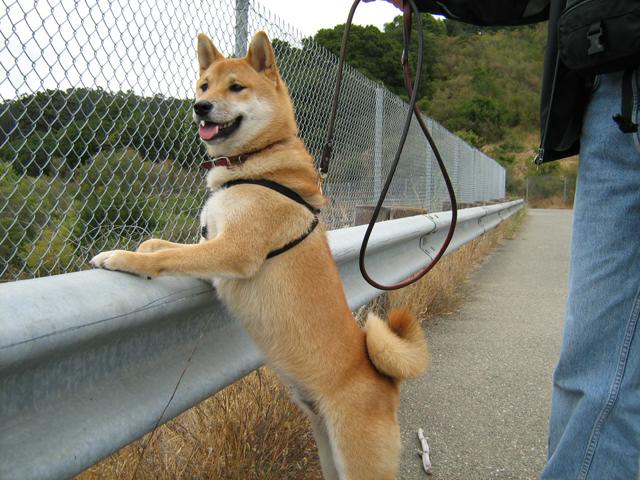
Aging is inevitable and your energetic Shiba Inu will also grow old. But to keep them healthy, exercising senior Shiba Inu is a must-do.
At this age, you will notice that they’ve become less active, they might not be as enthusiastic about walkies or quick runs outside anymore, and they might no longer want to play with other dogs. This is because, like humans, Shiba Inus, and all dogs in general, slow down as they age. However, even though they have entered their senior years, exercises are still crucial activities that they need for their health.
A senior Shiba Inu still needs exercise, just less of it and gentler, because movement keeps aging joints, muscles, and minds working even as the body slows. The right amount is enough to keep them limber and engaged without leaving them sore the next day, which usually means shorter, more frequent, lower-impact outings instead of the long hikes of their youth. Watch how your dog recovers: a senior who is stiff or exhausted the following morning did too much. Before you change an older dog's routine, especially if they have a health condition, check with your vet so the plan fits the dog.
The short version, in four parts:
- Keep exercising, because movement fights stiffness, weight gain, and boredom in seniors.
- Go shorter and more often, and trade impact for gentle, steady activity.
- Let recovery be your gauge, since next-day soreness means you overdid it.
- Clear big routine changes with your vet, especially with arthritis or heart issues.
Signs of Aging Shibu Inu Owners Should Look Out For
Signs of aging can be subtle and they are easily overlooked, especially with busy fur parents. But, keeping an eye out on these signs can help you prevent and catch incoming health issues early on. Remember, prevention is better than cure and early detection makes treatment easier.
Here are signs of aging that dog owners should look out for.
Slowing down. If your dog used to be a runner and loves climbing up hilly tops, then this sign can be quite obvious to catch. If your senior dog is starting to slow down, this could be a sign of arthritis or joint pains.
Weight gain. As your dog ages, you might notice him getting chubbier. These are signs of his metabolism slowing down, getting less exercise, thyroid issues, and other medical conditions. We highly suggest checking in with your veterinarian first to rule out any harmful health issues and from then on, make adjustments to his diet and exercise.
Less responsive. If your lovely pooch has stopped coming when you call him, you might think he is getting stubborn but he might be losing his hearing.
Bathroom accidents. Older dogs need to take more bathroom breaks. If you started noticing your senior dog is having more and more bathroom accidents in the house, leave out pee pads around your home but better if you can go to the vet for a check-up.
Trouble getting up. If your pooch is having trouble getting up after lying or sitting, this can be a sign of joint pain. He might also find it hard to stay on his feet for a long time. If these signs are showing, definitely booked that veterinarian appointment.
Tips on Exercising Senior Shiba Inu
A senior Shiba Inu is prone to acquiring health conditions that will limit their movement. The most common health concern for senior dogs is mobility issues, like arthritis and joint pain. This makes exercising a struggle but it doesn’t mean exercises are completely impossible.
Here we have useful tips, dos, and don’ts in exercising senior Shiba Inu that’ll help them keep their muscles and bones strong, maintain their ideal body weight, and for optimal health.
Visit the Vet
Young Shiba Inu are huge exercisers. They are active, smart, and playful breeds but if they by chance entered their senior age with less exercise due to mobility issues or health concerns, we suggest visiting the veterinarian first before starting a new exercise routine.
Your vet will check your Shiba’s overall health so you’ll know the limits and boundaries. Vets will also recommend what kind of exercises are safe for senior dogs and their muscles and bones.
Adjust activities to meet your Shiba Inu’s needs
There are several reasons why your senior dog isn’t as active and energetic as he once was. It could be age-related concerns like less energy level to health concerns like arthritis that limits his movements. He might not be as enthusiastic as before, especially in doing the things he used to love.
Observe and take notes on all of these. Your Shiba Inu is trying to tell you that he can no longer do this particular activity or it might too be painful or too much for him. Make changes to his exercise routine and choose low-impact and less strenuous activities instead.
Instead of a 3-hour hike or a 5-kilometer run, take him for a relaxed walk or swim instead. Pay attention to your dog’s state during and after these exercises to assure that he is not pushing himself too far. Always prepare to cut any session short and have water with you at all times.
Do not overexert your senior Shiba Inu
Take it slow and easy and avoid overexerting your senior Shiba Inu. Due to his age, aging has already taken a toll on him and while age-appropriate exercises are excellent ways to maintain his health, overexertion can cause stress and injury.
To keep the exercises at a pace your senior dog can cope with, stick to shorter intervals. Instead of walking for an hour straight, you can try a 10-minute walk multiple times a day or quick and easy mind games.
Take note that exercises that do not only refer to physical ones but include mental stimulation as well.
Stick to the routine
All dog training articles you’d read online will always emphasize routines. Dogs love routine and consistency is the key to keeping them in good shape and optimal health. Similar to how you’d teach a new command or establish a feeding routine, sticking to an exercise routine is also a health benefit for your senior dog.
When you make or adjust his exercise plan, make sure it fits into his daily routine and pick a time of the day to solely focus on his physical and mental activities.
Low-impact ways to keep a senior Shiba moving
The aim in the senior years is to trade intensity for consistency. Here are the kinds of activity that keep an older Shiba limber without punishing the body.
- Shorter, more frequent walks. Two or three short walks a day usually beat one long march for a senior. It keeps the joints from stiffening between outings, spreads the effort out, and lets you read your dog's energy across the day. If a walk leaves them dragging, shorten the next one.
- Sniff walks. Let an older Shiba stop and read the neighborhood. Scent work is real mental exercise, and a slow sniff-led wander can satisfy a senior who no longer wants a brisk pace. It tires the mind while going easy on the body, which is exactly the trade you want.
- Swimming, where it fits. For some seniors, especially those with arthritis, warm-water swimming provides movement with almost no joint impact. It is not for every dog, and Shibas are not natural water lovers, so only pursue this if your dog is comfortable and your vet signs off.
- Gentle indoor play. On days when weather or stiffness makes a walk hard, easy indoor games keep the body and brain engaged: a slow food puzzle, a gentle find-it game, a short session of low, calm fetch on carpet. Keep it soft and stop before your dog tires.
- Warm up and mind the footing. Older joints do not like cold, sudden starts. Begin outings at an easy pace, keep runners and rugs over slick floors at home, and avoid asking a senior to sprint, twist, or leap off furniture. Small changes to the environment prevent a lot of soreness.
- Read the limits honestly. A senior who is stiff, limping, panting hard, or wiped out the next morning is telling you the last outing was too much. Dial it back. The best senior exercise plan is one you adjust weekly based on the dog in front of you, not the dog they used to be.
A composite from the kind of dog we see: an eleven-year-old Shiba who used to hike all afternoon now gets two twenty-minute sniff walks and a warm-up lap of the yard, and he is happier and sounder for it than when a well-meaning owner pushed the old distances. The routine changed to fit the dog. For the wider picture of caring for an aging Shiba, see how to care for a senior Shiba Inu, and if you are weighing whether you can commit to a dog through its whole life, our honest guide to whether a Shiba Inu is right for you is worth a read.
What we have learned keeping older Shibas active
Across 250+ Shibas placed since 2019, and the seniors who pass through our daycare and boarding, the through-line is simple: movement, adjusted for age, keeps old dogs sound. The seniors who keep gentle daily activity hold their muscle and mobility far better than the ones parked on a bed all day.
What has worked: matching the outing to the dog, watching recovery, and keeping the routine steady. On our walks we shorten the loop and slow the pace for older dogs, favor soft ground, and skip the high-arousal group play. A senior on a predictable, gentle rhythm stays looser and more content.
What has not worked, and what we flag for owners: treating a senior like a young dog, or the opposite, wrapping them in cotton wool and stopping activity entirely. Both cause problems. When a dog has arthritis, a heart condition, or another diagnosis, the exercise plan belongs to the vet first, and we build the daily routine around it. If you want your older Shiba kept moving at the right dose while you travel, our boarding and daycare runs on gentle, senior-appropriate walks rather than a chaotic play yard.
Related questions
How much exercise does a senior Shiba Inu need?
Less than an adult, but not none. Most senior Shibas do well with shorter, more frequent, lower-impact outings rather than one long push. The right amount is the amount that keeps them limber and interested without leaving them sore or exhausted the next day. Use recovery as your gauge, and if your dog has a health condition, ask your vet to help set the ceiling.
Is it bad to stop exercising an old Shiba?
Yes. Cutting exercise entirely tends to speed up stiffness, weight gain, muscle loss, and boredom, all of which make a senior less comfortable, not more. The goal is to adapt the activity, not remove it: gentler, shorter, and more frequent. If pain or a diagnosed condition is limiting your dog, work with your vet on a plan rather than stopping cold.
What exercise is safe for a Shiba with arthritis?
Low-impact movement is the key. Gentle leash walks on soft ground, sniff-focused strolls, and, where appropriate and vet-approved, swimming can keep an arthritic Shiba moving without pounding the joints. Warm the dog up slowly, avoid slick floors and cold starts, and stop before fatigue. Always confirm the specifics with your vet, since arthritis management usually pairs activity with weight control and sometimes medication.
What to read next
For the full senior care picture, read how to care for a senior Shiba Inu, and for a younger dog's needs, exercising your Shiba Inu. If you are still deciding whether you can commit to the breed for its whole life, start with whether a Shiba Inu is right for you. And to keep your senior gently active while you are away, see our boarding and daycare page.
Need in-home boarding for your Shiba?
Small groups, five walks a day, never a kennel. Daycare and vet transport included.