
If you notice your Shiba Inu has been having a hard time getting up in the morning, is reluctant to use the stairs, or has been showing signs of limping, then you might be looking at joint issues. Your pooch might need joint supplements for dogs.
As your lovable Shiba Inu enters its senior years, the protective cartilage between its bones begins to weaken. This causes the bones to rub against each other, causing inflammation and joint pain. One way to prevent this is to get your Shiba checked and get a prescription for joint supplements.
The best joint supplement for a dog is the one your veterinarian signs off on for your dog's specific stage of joint wear, because the right active ingredients and the right form depend on whether you are protecting healthy cartilage or supporting a joint that already shows change on an X-ray. Most quality joint supplements share a familiar backbone of glucosamine, chondroitin, MSM, and omega-3 fatty acids, and the differences that matter are potency, purity, and whether your dog will actually eat the chew. A Shiba Inu is a stoic breed that hides discomfort well, so many owners start a supplement only after stiffness becomes obvious, when starting earlier would have served the dog better. Treat a supplement as one layer of a joint plan that also includes lean body weight, controlled exercise, and regular veterinary checkins.
The short version, in four parts:
- Match the supplement to the stage of joint wear, and let your vet confirm the choice.
- Look for glucosamine, chondroitin, MSM, and omega-3s from a maker that publishes its sourcing.
- Potency and purity matter more than flavor, but a chew your Shiba refuses does nothing.
- A supplement supports joints, it does not replace weight control, sane exercise, or veterinary care.
Signs of Joint Pain in Dogs
Joint pain affects dogs of all ages and will affect the quality of their life. If left untreated, this will result in more serious conditions and injuries.
The challenge is how to tell if your dog is suffering from joint pain. Canines can be pretty good at hiding pain and discomfort, especially when they are young as they continue to play and be energetic, eventually worsening their condition.
It can be hard to tell unless you know what you are looking for. That being said, here are the common symptoms of joint pain to look out for:
- Lethargy
- Limping and stiffness
- Loss of Appetite
- Irritability
- Depression
- Frequently slipping
- Licking, chewing, or biting the affected area
If your Shiba Inu is showing any of these for no obvious reasons, it’s high time to get him checked and examined for any joint disease or underlying medical conditions.
The Best Joint Supplements for Dogs with Joint Issues
Aside from treatment, joint supplements can be helpful for dogs who are suffering from painful joint issues. In this article, we’ve rounded up the best joint supplements for dogs.
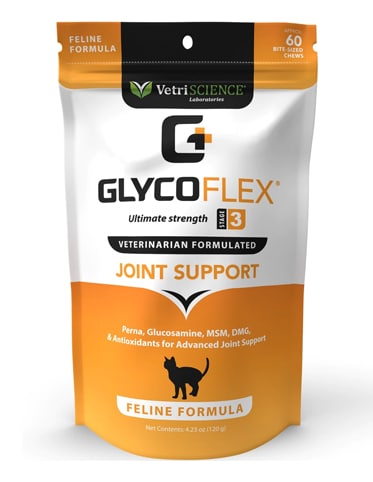
VetriScience GlycoFlex Stage III Soft Chews
The VetriScience GlycoFlex Stage III Soft Chews are ideal for dogs who have already developed hip dysplasia and other joint disorders. This product contains 1,000 mg of glucosamine and MSM per dose and green-lipped mussels, which are excellent sources of chondroitin. This product is chicken-flavored, which most dogs love.
VetIQ Maximum Strength Hip & Joint Soft Chews
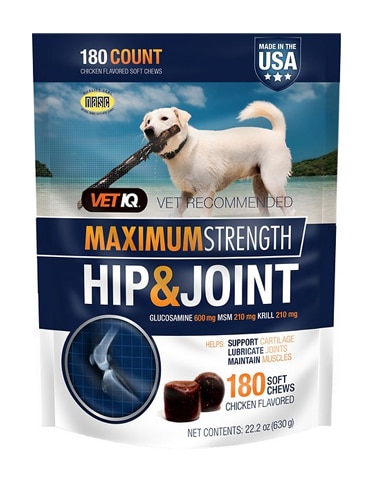
For dog owners who are looking for the best value joint supplement for dogs, the VetIQ Maximum Strength Hip & Joint Soft Chews is one of the best in the market. It contains 600 mg of glucosamine and 210 mg of MSM. It is a savory chicken flavor and contains hyaluronic acid and omega 3 fatty acids. They are extremely budget-friendly but made in the US with high-quality ingredients like krill and fish oil.
Zesty Paws Core Elements Mobility Soft Chews
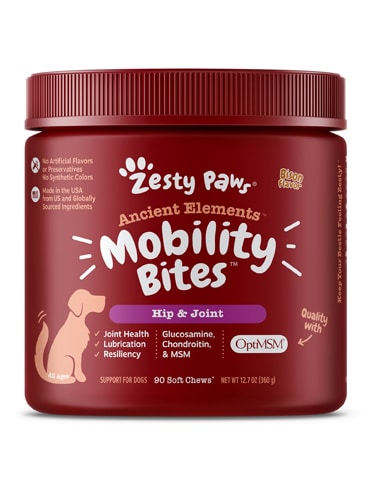
The Zesty Paws Core Elements Mobility Soft Chews are highly-digestible and duck-flavored chews that your dog will surely love. It contains 450 mg of glucosamine and 125 mg of chondroitin, which is a more premium form of MSM. These soft chews are free from grains, corn, and soy, and are made in the US. In addition, they also contain sustainably sourced palm oil.
Nutramax Dasuquin with MSM Soft Chews
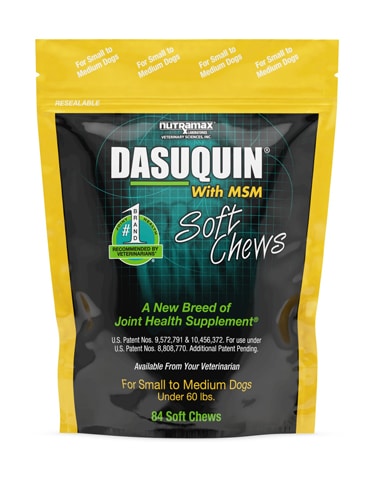
If you want a joint supplement for dogs that are highly recommendable, we suggest you try the Nutramax Dasuquin with MSM Soft Chews. It contains 900 mg of glucosamine, 350 mg of chondroitin, and 800 mg of MSM. These soft chews contain appetizing ingredients like avocado fats and green tea extract. They are extremely soft and easy to eat, though take note that they come at a higher price.
PetHonesty Advanced Hip + Joint Soft Chews
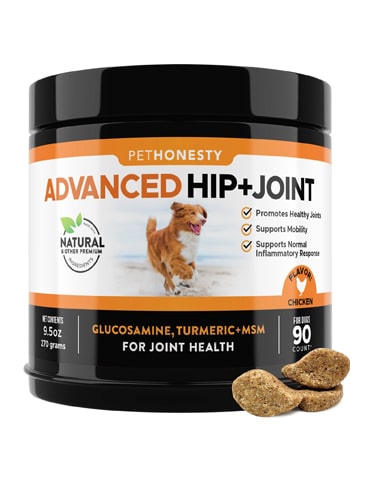
The PetHonesty Advanced Hip + Joint Soft Chews are chicken-flavored soft chews that contain 625 mg of glucosamine, 210 mg of chondroitin, and 325 mg of MSM in the form of high-quality PurforMSM. This product is also a good source of biotin and nutrient-packed ingredients like carrots and sweet potatoes. It is also soft enough for dogs who are having difficulties chewing. These soft chews are made in the US and are more affordable than other joint supplements for dogs.
Joint MAX Triple Strength Hypo-Allergenic Granules
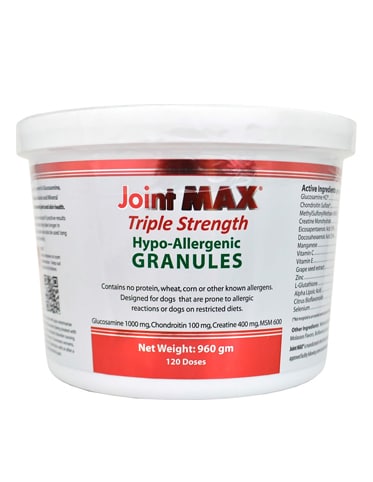
The Joint MAX Triple Strength Hypo-Allergenic Granules is an ideal joint supplement for dogs with food sensitivities since it is free of protein sources, soy, wheat, and corn. It contains 1,000 mg of glucosamine, 100 mg of chondroitin, and 600 mg of MSM. In addition, it also has omega fatty acids and antioxidants. It is easy to digest and can be sprinkled over your dog’s food. This product is also USA-made and is often recommended by veterinarians.
The Building Blocks of a Joint Supplement, Explained
Joint supplements look interchangeable on the shelf, but the label tells a story once you know the four or five ingredients that do the real work. Here is what each one contributes and why it appears in nearly every reputable formula.
- Glucosamine. This is the workhorse of most joint formulas. It is a building block your dog's body uses to maintain the cartilage that cushions the ends of bones. As a dog ages, natural production slows, and supplemental glucosamine gives the body more raw material to work with. Products list it as glucosamine HCl or glucosamine sulfate, and the milligram count per dose is the number worth comparing across brands.
- Chondroitin. Chondroitin usually rides alongside glucosamine because the two are thought to work better together than either alone. It helps cartilage hold water and stay resilient under load. Green-lipped mussel, an ingredient you will see in several premium chews, is a natural source of chondroitin along with omega-3s, which is why it shows up in formulas aimed at dogs with existing joint change.
- MSM. Methylsulfonylmethane is a sulfur compound included for its role in soft tissue comfort. It is common in advanced or triple-strength formulas and is usually paired with the glucosamine and chondroitin backbone rather than used on its own. Purity matters here, so formulas that name a branded, tested source read as more trustworthy than ones that simply list MSM.
- Omega-3 fatty acids. EPA and DHA from fish oil, krill, or green-lipped mussel support the body's normal inflammatory balance, which is central to joint comfort. Many owners already give a separate fish oil, so if your chosen chew includes omegas, mention it to your vet to avoid stacking more than the dog needs.
- Delivery form and purity signals. A soft chew a Shiba eats willingly beats a tablet that ends up under the couch. Beyond palatability, look for a maker that publishes sourcing, manufactures in a facility it names, and avoids fillers your dog reacts to. Hypoallergenic granules exist for dogs with food sensitivities, which are not rare in the breed.
One dog we boarded, an eight-year-old Shiba composite we will call Kuma, shows the pattern. His owner had been giving a bargain chew with a low glucosamine count and wondered why nothing improved. Her vet moved Kuma to a higher-potency formula with a named MSM source, paired it with a small weight reduction, and the difference over the following months was real. The supplement was not magic. It was the right potency, matched to the dog, on top of a lighter frame.
If joint care is part of a larger question about whether the breed fits your household and budget, our guide on whether a Shiba Inu is right for you sets honest expectations, and our piece on how to take care of your Shiba Inu's joints covers the daily habits a supplement supports.
What We See Across the Pack
Since 2019 we have placed more than 250 Shibas and boarded many more, which means we have watched a lot of these dogs move from spry adults into stiff seniors. A few patterns hold up across that number.
The first is that owners almost always start too late. Shibas are proud, self-contained dogs that do not whimper their way to the vet. By the time an owner notices a dog hesitating at the bottom of the stairs, the joint has usually been changing quietly for a while. The dogs who seem to age most gracefully are the ones whose owners talked to a vet about joint support before there was an obvious problem, not after.
The second is that weight does more damage than any supplement can undo. A Shiba carrying even a little extra load asks its joints to work harder every single day. We have seen a lean dog on a modest supplement outperform a heavier dog on a premium one, over and over. If you change only one thing, keep the dog trim.
The third is that consistency beats intensity. A supplement given daily for months is what pays off. Owners who start strong, forget for two weeks, then restart rarely see much. We fold supplement timing into feeding routines during boarding so the dog does not miss a dose, and we hand owners a written schedule at pickup.
None of this replaces your veterinarian. We are not diagnosing arthritis or prescribing anything, and neither should any blog. What we can do is notice the dog in front of us, flag stiffness we see during a stay, and tell you plainly when something looks worth a vet visit. If your Shiba is boarding with us and you want joint support kept on schedule, that is the kind of routine our in-home boarding is built around, small groups, real walks, and eyes on your dog all day.
Related questions
When should a Shiba Inu start joint supplements?
There is no single calendar date, because it depends on the individual dog, its build, and any early joint changes your vet notices. Many owners of active or larger-framed Shibas ask their veterinarian about starting support in the middle adult years rather than waiting for visible stiffness. The safe move is to raise the question at a routine checkin and let your vet weigh your dog's history.
Can I give my dog a human joint supplement?
Human products are formulated for human bodies and can contain sweeteners, dosing, or added ingredients that are not appropriate for dogs. Xylitol, for example, is dangerous to dogs and appears in some human supplements. Stick with a canine formula and confirm your choice with your vet rather than splitting a human dose.
How long before a joint supplement shows results?
Joint supplements work gradually, not overnight, and many owners look for changes over a span of weeks to a few months of consistent daily use. If you see no change at all after giving it faithfully, that is worth reporting to your vet, who may adjust the formula, the potency, or look for another cause of the stiffness.
What to read next
For the daily habits behind healthy joints, read how to take care of your Shiba Inu's joints, and if you share a home with an older dog, our guide to caring for a senior Shiba Inu covers the wider picture. Owners weighing the commitment should start with is a Shiba Inu right for me, and if you want your dog's routine kept steady while you travel, see our in-home boarding.
Need in-home boarding for your Shiba?
Small groups, five walks a day, never a kennel. Daycare and vet transport included.