Weather conditions change, and these changes can impact the lives of dogs in a manner on how they respond and express themselves.
In this article, we will focus on the Shiba Inu and on how to keep them warm during the winter season. Let us begin.
A healthy adult Shiba Inu is built for cold. Its dense double coat handles most Northern California winters comfortably, so the real risks here are getting wet and chilled, not deep freezes. The dogs that genuinely need extra help are puppies, seniors, and any Shiba that is thin, ill, or recovering, along with any dog left out in cold rain or wind. For the average Bay Area Shiba, the goal is a warm dry place to retreat, not bundling a well-insulated dog in a sweater it does not need. Know the signs of hypothermia, respect wet and windy weather, and adjust for your individual dog's age and health.
The short version, in four parts:
- The double coat does most of the work. A healthy adult Shiba is well insulated against normal cold.
- Wet plus wind is the real danger, especially in a rainy Northern California winter.
- Puppies, seniors, and thin or sick dogs need real extra warmth and shorter exposure.
- Learn the hypothermia signs (shivering, lethargy, pale gums) and treat it as a veterinary emergency.
A Brief Description of Hypothermia in Dogs
Realistically, in numerous parts of the world, whenever the winter season occurs, an outburst of freezing weather is expected.
Evidently, the cold weather is considered a horrendous nightmare for dog owners, lovers, and enthusiasts, most especially when their beloved pet dog experiences the sad and realistic danger of Hypothermia.
Hypothermia is defined as the abrupt drop of bodily temperature, which occurs both in human beings and animals.
The origin of the word Hypothermia comes from the Greek words “hypo”, which literally means “under”, and “therm”, which literally means “heat”, relatively.
Medically speaking, the condition of Hypothermia affects human beings and dogs, but on a larger scale, it has a wide and detrimental effect on dogs, for two reasons. First, dogs obtain a smaller bodily size than human beings, and second, the bodily temperature of dogs is always higher compared to human beings.
The Causes and Diagnosis of Hypothermia in Dogs
From a wider point of view and discussion, the major cause of Hypothermia in dogs is extreme and overtime exposure to cold, but nonetheless, it can largely affect dogs, even at a normal room temperature wherein they are at a rapid risk of obtaining this medical condition.
Vividly, when dogs are younger and in the state of being under anesthesia, Hypothermia is more inclined to affect smaller dog breeds in a disproportionate manner, for the reason that they get to experience an abrupt loss of body heat all throughout their skin when this medical condition occurs.
In addition, dogs may lead to the diagnosis of having Hypothermia, once he or she has a history of obtaining hypothyroidism and diseases in the hypothalamus, for the reason that this highly sensitive part of the brain is greatly responsible for the regulation and maintenance of the dog’s body temperature.
To continue with, another major cause of Hypothermia is shock, whenever the dog’s gums are affected. This is vivid in dogs through the following discussed situations:
First and foremost, Hypothermia occurs when the dog has been long exposed to the cold weather for a lengthy period of time.
Second, Hypothermia occurs when the dog’s skin and fur are wet by submerging in icy cold water.
Third, whenever the dog is extremely white, pale, and lethargic, these three situations depict that the dog is experiencing Hypothermia, thus veterinary help is much needed in order to address these situations.
Moreover, a vivid diagnosis can be performed by the certified dog owner and lover to its pet dog, whenever he or she experiences Hypothermia.
Furthermore, Hypothermia is characterized in dogs through signs, once excessive shivering is cited on the pet dog concerned, which is followed by excessive lethargy.
Lastly, frostbites that are evident in the dog’s tail, paws, and ears are a sign that the dog experiences Hypothermia, which results in discoloration as manifested in a gray, bluish and pale color, in entirety.
How to Keep the Shiba Inu Warm for the Winter?
Given the thorough discussion on Hypothermia which is a detrimental condition on dogs, its causes, and diagnosis, the third and last part of this article will focus on how to provide warmth to the Shiba Inu, during the winter season, which is the highlight of the article’s entirety.
Below are the eleven effective strategies that are applicable in providing warmth to the Shiba Inu during the entire winter season in some parts of the world, as follows:
1. The Shiba Inu should be wrapped with warm blankets, that are freshly taken from the radiator or dryer, as quickly as possible, whenever it feels cold.
2. The Shiba Inu’s stomach should be placed with a hot water bottle that is wrapped in a towel. The bottle should not be placed on the dog’s stomach when it is unwrapped for the reason that it may burn the Shiba Inu’s stomach in the longer run.
3. The Shiba Inu should be offered warm or lukewarm water and fluids to drink, whenever he or she is conscious and not asleep, in order to provide the dog, an ample amount of hydration in its body, during the cold winter season.
4. The Shiba Inu’s temperature should be constantly monitored by its respective owner, for the reason that its body temperature may manifest critical symptoms on the Shiba Inu due to Hypothermia.
These are the underlying symptoms that represent the Shiba Inu’s temperature which is highly needed to be monitored, as follows:
| Mild: 90 to 99°F (32 to 35°C) | this temperature highly manifests a lack of mental alertness, shivering, and weakness on the part of the Shiba Inu |
| Moderate: 82 to 90°F (28 to 32°C) | this temperature highly manifests low blood pressure, stupor, muscle stiffness, and shallow slow breathing on the Shiba Inu |
| Severe: below 82°F (28°C) | this temperature highly manifests inaudible heartbeat, difficulty in breathing, dilated and fixed pupils which rapidly results in comatose on the part of the dog, in the longer run. |
Thus, it is best for the Shiba Inu dog owner to use a thermometer every 10 minutes, in order to monitor and take note of its temperature during the winter season.
5. The Shiba Inu should be encouraged by its owner to be still, behave and to avoid the performance of excessive moments, for the reason that it can result in the loss of bodily heat, on the part of the Shiba Inu dog.
6. The Shiba Inu should not be exposed in an extreme and long period of time outside the cold weather, during the winter season.
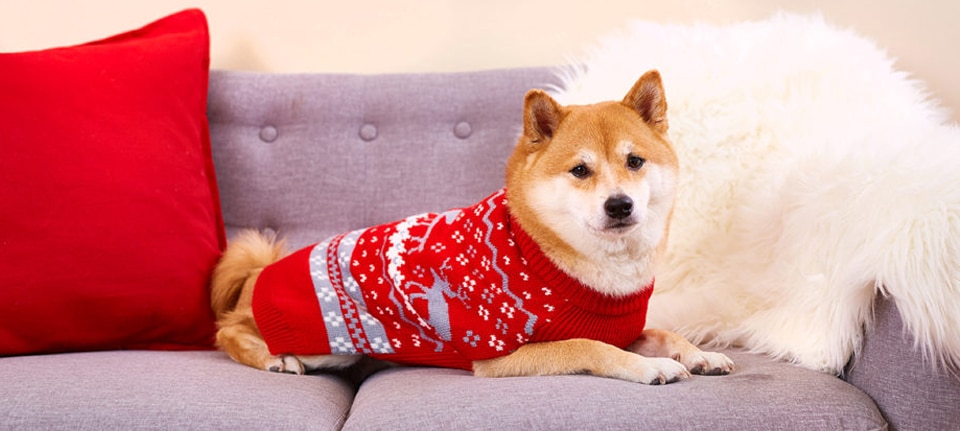
7. The owner of the Shiba Inu should greatly consider his or her Shiba Inu pet dog to wear protective jackets and booties whenever the dog is taken on a frequent and shorter walk.
8. The Shiba Inu owner should practice and manifest utmost caution whenever the Shiba Inu pet dog is medically known to be hypoglycemic, ill, underweight, and in an elderly stage already.
9.The Shiba Inu’s feet should be taken great care of by its owner by wiping it with a warm towel and blanket, and by placing his or her hands on its feet, in order to provide warmth and comfort on the Shiba Inu dog, during the winter season.
10. The Shiba Inu should be given a limited up to an occasional bath during the cold and winter season in order to prevent the occurrence of Hypothermia on the Shiba Inu pet dog’s part.
11. The use of a moisturizing shampoo is advised whenever the Shiba Inu needs to take a bath during the winter season.
Despite the signs and symptoms that Hypothermia brings to the Shiba Inu dog breed and to all types of dog breeds, respectively, which are manifested and characterized through the following:
The dog’s whimpering, the dog’s whining, the dog’s wincing, the dog’s limping, the dog’s motive of trying to find shelter, the dog’s initiative of heading back towards home and most especially with clues wherein it shows that the dog is hurt and is in pain, when walking, these strategies will truly address the primary concern of providing warmth to the Shiba Inu dog, during the entire winter season.
It is the hope of the writer of this article, that the reader will be well-informed and knowledgeable on the effective methodologies on how to keep the Shiba Inu dog warm during the entire winter season, through in-depth background information on Hypothermia on dogs, its causes, signs, symptoms and diagnosis, respectively.
Keeping a Shiba warm without overdoing it: five factors
Warmth for a Shiba is less about adding layers and more about respecting what the coat can and cannot do. Weigh these five.
- The double coat does most of the work. A Shiba's dense undercoat and stiff outer coat trap a warm layer of air against the skin. For a healthy adult in typical Bay Area cold, that coat is usually enough, and piling on clothing can flatten the insulating layer or overheat the dog indoors.
- Wet is the real enemy. A soaked coat loses most of its insulating value, and wet plus wind is how a dog actually gets dangerously cold here. Dry your Shiba thoroughly after rainy walks, and do not leave a wet dog outside in the wind.
- Age and health change the math. Puppies, seniors, and dogs that are thin, ill, hypothyroid, or recovering from anesthesia lose heat far faster. These are the Shibas that genuinely benefit from a coat on walks and shorter time outdoors.
- Warm, dry shelter and bedding. The single best thing you can provide is a draft-free indoor spot with thick bedding off a cold floor. A Shiba that can retreat somewhere warm and dry regulates itself well.
- Know the warning signs. Shivering, lethargy, weakness, and pale or grayish gums signal hypothermia. That is a veterinary emergency, not something to warm up slowly and hope about. When in doubt, call your vet.
One senior Shiba we boarded during a wet December looked fine on the double coat alone until a cold rain soaked him on a long walk, and he came back shivering and stiff. He was not out in freezing temperatures, he was out in wet and wind at an age when he could no longer hold heat well. A rain coat, a towel-dry routine, and shorter outings fixed it. The lesson was that age and moisture, not the thermometer alone, decide the risk.
How well a Shiba tolerates weather is one of the breed's genuine strengths, and understanding the coat is part of understanding the dog. For the honest breed overview, see whether a Shiba Inu is right for you. That same double coat needs year-round care to work, which our guide to grooming your Shiba Inu covers.
What we have seen
Across 250-plus Shibas since 2019, cold weather is rarely the problem people expect it to be. In Northern California, we see far more owners overdressing a perfectly warm double-coated dog than we see genuine cold-weather emergencies. The Shibas that do get into trouble are almost always wet, old, young, or unwell, not simply outside on a chilly day.
What worked: keeping walks shorter but drying the dog completely afterward, reserving coats for the dogs that actually need them (puppies, seniors, thin or sick dogs), and giving every dog a warm dry place indoors to settle. What did not work: leaving a wet Shiba out in the wind, and assuming the coat makes a frail senior invincible.
One firm line. If your Shiba is shivering uncontrollably, lethargic, or showing pale gums, that is hypothermia and a veterinary emergency, not a wait-and-see. For a dog with a health condition that affects temperature regulation, plan winter care with your veterinarian. When you travel during the cold, wet months, our in-home boarding keeps your Shiba warm, dry, and watched by people who know the breed.
Common followup questions
Do Shiba Inus need a coat in winter?
Most healthy adult Shibas do not, because the double coat insulates well against normal cold. Coats earn their place for puppies, seniors, thin or ill dogs, and any Shiba facing cold rain or wind. Watch your individual dog. If it shivers or refuses to settle outdoors, add a layer, but do not routinely bundle a well-insulated dog that is comfortable.
Can a Shiba stay outside in cold weather?
For short periods in dry cold, a healthy adult Shiba usually copes fine, but no dog should be left outdoors for long stretches in winter, and never while wet or in wind. Always provide a warm, dry, draft-free place to retreat. Puppies, seniors, and unwell dogs need much shorter exposure and closer supervision.
How cold is too cold for a Shiba?
There is no single number, because wet, wind, age, and health all shift the line. A dry, healthy adult tolerates cold that would endanger a wet or frail dog. Rather than watch a thermometer, watch the dog: shivering, reluctance to move, lifting paws off the ground, and seeking shelter all mean it is time to go in.
What to read next
If you are still weighing the breed, our honest guide on whether a Shiba Inu is right for you covers the coat and temperament. For the opposite season, read how to protect your Shiba Inu in the summer, and to keep that double coat working, see grooming your Shiba Inu. When winter travel comes up, our boarding keeps your dog warm and cared for.
Looking to adopt or rehome a Shiba?
Rescue-first rehoming with vetted families, 1-year health guarantee, lifetime support.