Shiba Inus are great companions. And when we thought they couldn’t get any more adorable, we find out that they come in different colors. In this article, let’s find out about the Shiba Inu colors and how many variations there are in this smart dog breed.
Shiba Inu’s origin can be dated back to 300 BC in Japan. They have a smiley face and are probably most known for being a popular meme that circulated all over the Internet back in 2013. But despite being a funny but adorable Internet sensation, it actually has a very rich history.
The Shiba Inu can be seen way back the ancient times. It was originally bred to be a hunting dog. They were trained to hunt large game but later on, shifted to hunting smaller prey. It’s hard to imagine that the Shiba Inu almost went extinct after World War II. But fortunately, they were brought to America in the 1950s and have steadily grown, both in population and popularity.
According to AKC, the Shiba Inu ranks 3rd in the list of most popular dog breeds of 2020.
The Shiba Inu comes in four recognized coat colors: red, sesame, black and tan, and cream. Red is by far the most common, sesame is the rarest and most misidentified, black and tan is bold and stable, and cream is recognized but treated as a show fault because it hides the urajiro markings that define the breed. Pinto, brindle, and white are not real Shiba colors, whatever a listing claims.
The one thing worth holding onto: color is a detail, not a difference maker. It does not predict temperament, trainability, or health, and every color sheds the same amount. This piece gives you the overview. For the deeper read, including how to tell the colors apart and dodge the upsell, see our full guide to Shiba Inu colors.
The short version, in four parts:
- Four recognized colors: red, sesame, black and tan, and cream.
- Every standard Shiba carries urajiro, the cream markings on cheeks, chest, and underside.
- Color does not predict temperament, trainability, or health.
- Pinto, brindle, and white are marketing labels, not breed-standard colors.
Shiba Inu Coat
The Shiba Inu is one of the dog breeds that has a double coat. They have a layer of long and coarse overcoat as protection and another layer of shorter undercoat. Typically, a Shiba Inu’s coat is silky, similar to Siberian Huskies.
They frequently shed but it can be controlled by regular baths and brushing. There are Shiba Inus that have a long-haired coat. It looks magnificent and rare as well. Sadly, it’s considered a significant flaw in the show ring.
Urajiro
Urajiro is the Japanese term that refers to the distinct white markings of the Shiba Inu breed. Urajiro can be seen on the sides of the mouth and cheeks and underside of the jaw, neck, chest, and stomach.
Shiba Inu Colors
Though the Shiba Inu has different colors, there’s no evidence that the variations influence a Shiba Inu’s temperaments. And like many other dog breeds, the colors also do not pose any negative or unwanted medical conditions.
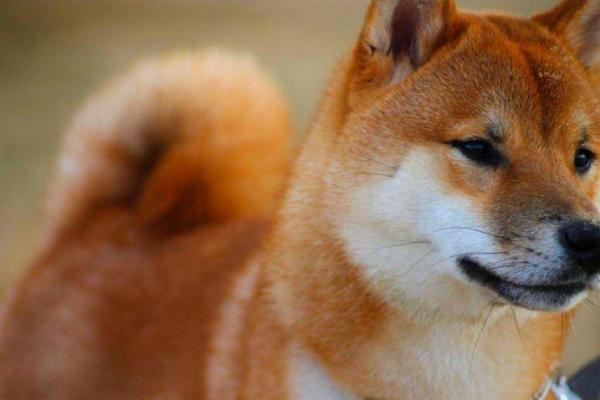
Commonly, a Shiba Inu’s color is reddish-brown with distinct cream markings. However, they come in different colors too! Here are other Shiba Inu colors:
- Black Sesame
- Sesame
- Reddish-brown
- Black and Tan
- Cream
Reddish-brown
The reddish-brown Shiba Inu is the most common color of Shiba Inu. It is believed to be the original color of the Shiba Inu and the very same shade that gives them a foxy-like appearance. The reddish-brown coat is preferred for show rings and is the most common and popular color out of all.
Black and Tan
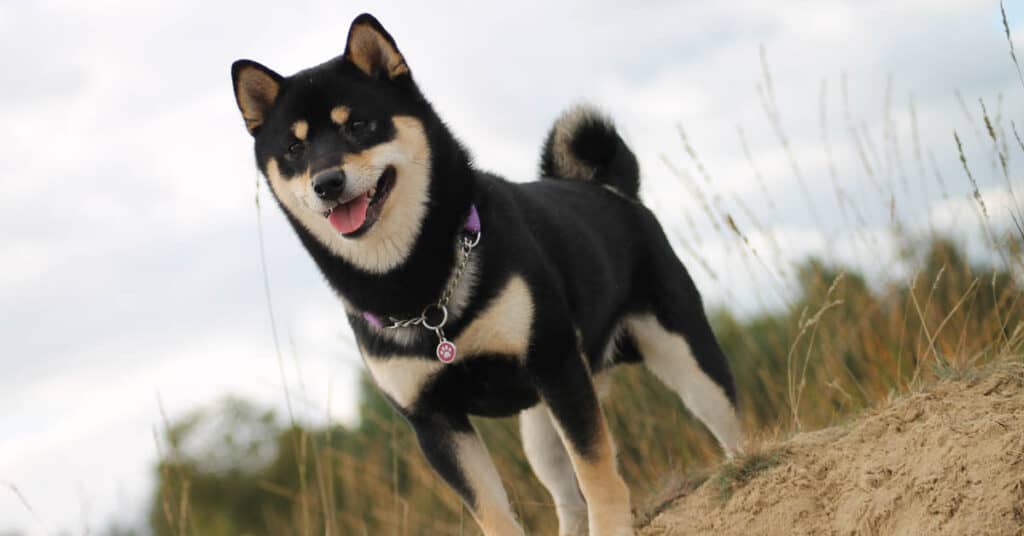
A black and tan Shiba Inu can be distinguished with a tri-colored coat. This variation has a black-colored base, tan points, and the Urajiro areas.
What’s really unique about this variation is a single strand of hair from a black and tan-colored Shina has all three colors. It starts with a light cream color, to reddish tan, and into a black tip. It’s a vibrant and outstanding gradient color.
Black Sesame
One of the rarest of all Shiba Inu colors is the black sesame. Though rare, it’s still a recognized color.
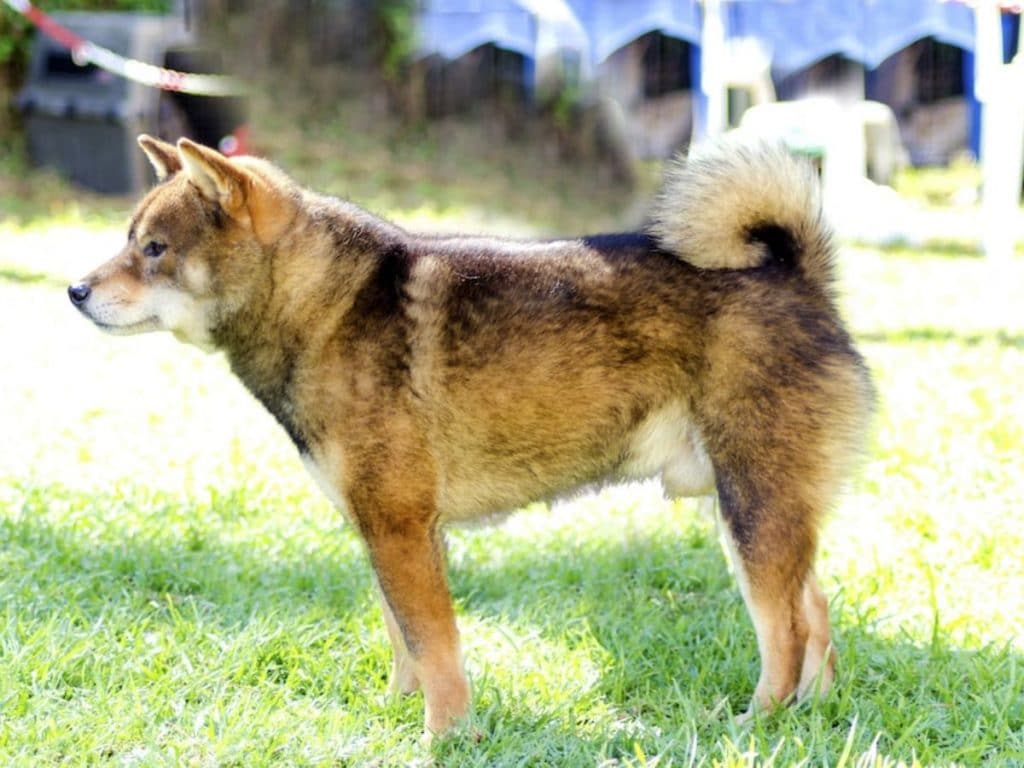
Shiba Inu with sesame coats has a red base and a running black fur. In Japan, black sesame Shiba Inus are called “goma”, meaning sesame in Japanese.
To be recognized, a pure-bred black sesame Shiba Inu shouldn’t have more than 50% black in his coat.
Cream
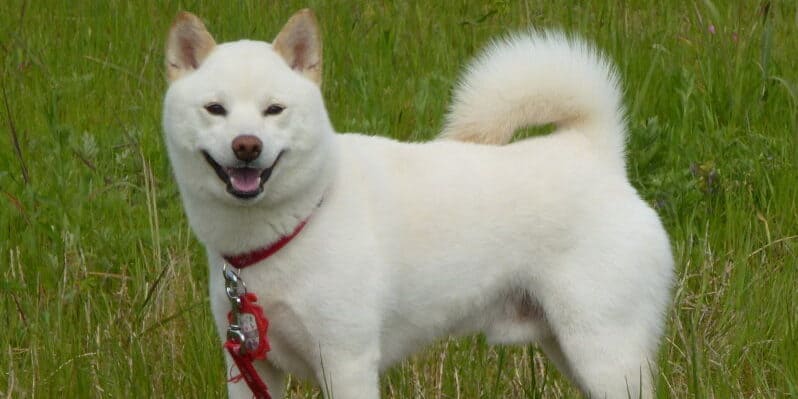
It’s very unusual to see a cream-colored Shiba Inu. It’s one of the rarest, as well. Although there’s just something about white-colored dogs that looks as beautiful as snow, according to AKC, a cream-colored Shina Inu is a fault. This is mainly because Shiba’s trademark Urajiro cannot be seen.
The Urajiro should be seen on the cheeks, neck, chest, and belly of the Shiba Inu. With the cream-colored base, it’ll be difficult to distinguish this.
The four Shiba colors at a glance
Here is the quick tour of each recognized color and the two things people get wrong most. For the full breakdown, our companion guide to Shiba Inu colors explained is the deeper read.
- Red. The breed's calling card and the most common color, ranging from deep rust to a lighter peachy tone, always with cream urajiro on the cheeks, chest, belly, and inner legs. A "pure red" or "rare red" premium is marketing, because those cream markings are standard, not optional.
- Sesame. A red coat with even black tipping across the body, no more than about half the visible coat, urajiro intact, and a mostly red face. It is the rarest color and the most oversold label. If the black sits only along the spine, it is red with dark guard hairs, not true sesame.
- Black and tan. A black overcoat with tan points over the eyes and on the cheeks, legs, and chest, plus urajiro. The tan can run rust to pale cream and often lightens with age, which is normal. It is the second most common color and photographs strikingly.
- Cream. A uniform cream-white coat with no red or black, which hides the urajiro that defines a Shiba visually. It is recognized but classed as a serious show fault, so most reputable breeders do not breed for it. Cream Shibas are lovely dogs, just harder to read facially.
- The false labels. Pinto, brindle, and white are not standard Shiba colors. Brindle does not exist in the breed. "Pinto" usually means a cream with patches, a pattern fault, and "white" usually means cream. A "rare brindle" or "pinto" Shiba at a premium is a warning sign, and sometimes the dog is not a purebred at all.
An adopter once arrived certain they wanted a "rare" color they had seen listed elsewhere at a markup, only for us to explain the label was not a recognized Shiba color. They widened their search and matched with a red whose temperament fit their household. That is the pattern almost every time. If you are still weighing the breed at all, our honest guide on whether a Shiba Inu is right for you looks past the coat entirely.
What we have seen on color since 2019
Across 250-plus Shibas placed since 2019, color is the request that most often slows an adoption and least often matters a year later. Adopters set on a specific color, especially sesame or cream, wait substantially longer because those colors are genuinely rare in our intake. Adopters who stay open get matched faster and, in our experience, are just as happy with the dog they end up with.
What worked: treating color as a tiebreaker rather than a filter, and letting temperament and household fit lead. What did not work: holding out for a dream color while the right dog came and went. We have watched an adopter arrive wanting a red and fall for a black and tan within the first week. If a color genuinely matters to you, tell us and we will give you the realistic waitlist, not a hopeful one. For how the match is made, see our adoption process.
Common followup questions
What is the rarest Shiba Inu color?
True sesame is the rarest recognized color and the most misidentified. Genuine sesame needs even black tipping across the body with full urajiro and a mostly red face, which is uncommon. Many dogs called sesame are actually red with some dark guard hair. Cream is uncommon too, but it is a recognized show fault rather than a prized rarity.
Are pinto, brindle, or white real Shiba Inu colors?
No. Brindle does not exist in the Shiba breed standard, "pinto" usually describes a cream with red patches (a pattern fault), and "white" usually means cream. When a breeder charges a premium for a "rare brindle" or "pinto" Shiba, they are either confused or upselling, and the dog is sometimes not a purebred Shiba at all.
Does coat color change how much a Shiba sheds?
No. Every color sheds the same amount biologically. Only the visibility differs: cream hair vanishes on light carpet and shows on dark furniture, red shows on most surfaces, and black and tan undercoat contrasts sharply when it lifts. Your brushing routine and tolerance for hair matter far more than the coat color.
What to read next
For the full breakdown of each color and how to identify them, read Shiba Inu colors explained, and to understand the coat those colors sit on, see the Shiba Inu coat guide. Since color does not change shedding, our piece on Shiba Inu shedding is more useful for planning your home. If you are weighing the breed, start with whether a Shiba Inu is right for you, and when you are ready, our rehoming and adoption page is the next step.
Looking to adopt or rehome a Shiba?
Rescue-first rehoming with vetted families, 1-year health guarantee, lifetime support.