
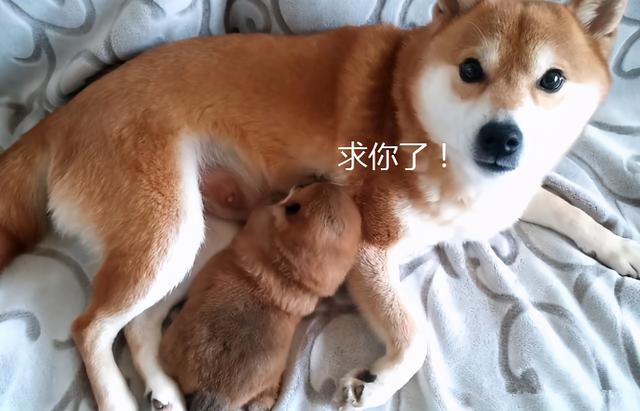
You’ll quickly realize that a pregnant Shiba Inu shares similar traits to a pregnant woman. Just like how women get when they are pregnant, a pregnant dog also experiences changes in hormones, weight, appetite, and behavior.
Many pregnancy signs don’t appear until the first month is nearly over so if you have suspicions of your Shiba Inu being pregnant, it’s best to bring them to the veterinarian for a check-up.
It’s also important to know that pregnant Shiba Inu, or generally pregnant dogs, need more love, affection, and attention during their pregnancy. They are not allowed to participate in strenuous activities and their diet and medication should be closely monitored and as prescribed by the vet.
Don’t self-medicate and self-diagnose and consult your vet if you have queries about your pregnant Shiba Inu.
If you are looking for basic information about Shiba Inu and pregnancy, we can definitely help a fellow fur parent out.
A pregnant Shiba Inu needs vet-confirmed, vet-guided care, close monitoring of her diet and activity, and a calm environment as she moves toward whelping.
The early signs are subtle, so the first and most useful step is a veterinary exam to confirm the pregnancy and date it. From there, care is largely about supporting a healthy body through nine or so weeks: appropriate nutrition, gentle exercise that tapers late, and regular checkups. This article is general information, not veterinary advice, and it is no substitute for your own vet who knows your dog. When in doubt, ask them rather than guessing.
The short version, in four parts:
- Confirm and date the pregnancy with your vet before changing anything.
- Follow vet guidance on nutrition rather than self-prescribing supplements.
- Keep exercise gentle and taper it as the pregnancy advances.
- Watch for warning signs and call your vet early if anything seems off.
Signs of Pregnancy in Shiba Inu
Knowing the signs can help you identify if your Shiba Inu is pregnant or not. And if you do, this also gives you the chance to care for them as early as their first month.
Unless you are an experienced breeder, you might not even notice that your dog is already pregnant, especially since dogs can be discreet about their mating tendencies.
Here are 9 signs of dog pregnancy you can look out for:
- Increased appetite or decreased appetite due to hormonal changes
- Weight gain
- Increased nipple size
- Swollen belly
- Easily tired out
- Nesting
- Affectionate (or more affectionate)
- Irate
- Vaginal discharge
Also, remember that one month into its pregnancy, she will begin to have vaginal discharge. Aside from that, she might also vomit and have a sudden decrease in appetite for the first few weeks because of hormonal changes.
If you have suspicions that your Shiba Inu is indeed pregnant, immediately consult your veterinarian. An ultrasound or an endocrine test to detect pregnancy hormones will confirm its pregnancy.
Behaviors of a Pregnant Shiba Inu
You will notice that pregnant dogs will have behavioral changes as well. This is mostly due to hormonal changes and natural motherly instincts.
Shiba Inu are active and energetic dogs but during their pregnancy, they might become lethargic and less active. They might also have a decrease in appetite. However, keep an eye on this decreased appetite since too much can cause pregnancy complications.
Pregnant Shiba Inus might also scratch at the floor and others might begin to hoard food and other things. In addition, they might also develop nesting tendencies.
How to Care for a Pregnant Shiba Inu?
To ensure the optimal health of your pregnant Shiba Inu, it is important to know how to take care of her.
Proper Nutrition
One of the most important things you need to oversee with your pregnant Shiba Inu is to ensure that she gets proper nutrition. If your Shiba Inu already leads a healthy lifestyle, with good food and appropriate weight, prior to her pregnancy then there’s no need to make changes to her diet for the first two-thirds of her pregnancy, unless your vet tells you so.
During the last weeks of her pregnancy where her weight gradually increases, veterinarians would usually recommend slowly increase her food intake, until about 35 to 50 percent more than her usual servings. Take note, slowly increase by feeding her small, frequent meals.
Exercise
For creeding purposes, some veterinarians would recommend that you limit strenuous activities for the first two weeks of gestation, believing that this will strengthen embryos implementation.
After that, normal exercise is deemed fine until your Shiba Inu’s belly is enlarged. During her last trimester, limit the strenuous activities and instead, shift into shorter and frequent walks. Do not overstimulate your pregnant Shiba Inu but also don’t her become inactive. Estimate the right amount of exercise and physical activities, including light playtime.
Vet Visits
Veterinarians know best to regularly take your pregnant Shiba Inu to the vet for her regular check-up and vaccinations. Consult your vet on what to do in case of emergencies, especially near the time of delivery.
In the case of accidental pregnancy, you can also consult your veterinarian for spaying your Shiba Inu.
A General Care Timeline for a Pregnant Shiba, Confirmed With Your Vet
Every pregnancy is individual, and the plan below is a general framework to discuss with your veterinarian, not a substitute for their guidance. Use it to know what questions to ask.
- Confirm and date it early. Because signs often do not show until the first month is nearly over, an early vet visit with an ultrasound or hormone test removes the guesswork. Knowing the stage lets you plan nutrition, activity, and the whelping window correctly rather than reacting late.
- Support nutrition on your vet's schedule. A healthy dog frequently needs no diet change through the earlier stretch, with a gradual increase in high-quality food during the later weeks, fed as small, frequent meals. The exact amounts and any supplements belong to your vet, not to a blog or a hunch.
- Taper exercise as she advances. Gentle movement stays valuable, but strenuous activity should wind down as the belly enlarges, shifting toward shorter, more frequent walks. The goal is a fit, comfortable dog, neither overstressed nor completely inactive.
- Prepare a quiet nesting space. Nesting behavior signals the body is getting ready. A calm, warm, low-traffic spot she can retreat to lowers stress in the final stretch. Set it up before you think you need it.
- Know the warning signs. Sudden loss of appetite, unusual discharge, distress, or lethargy beyond the expected fatigue are reasons to call your vet promptly. Have an emergency plan and your vet's after-hours number ready well before the due date.
Because we run a rescue-first operation, we occasionally take in a Shiba who arrives already pregnant or with a young litter. The routine is the same every time: veterinary confirmation first, calm supportive care through the pregnancy, then careful placement of every puppy into a vetted home. It is a reminder that a litter is a large, long commitment, not a casual event. If you are facing an unplanned litter and cannot keep it, our guide to rehoming a Shiba in California walks through your options, and you can prevent a repeat by reading whether to spay or neuter your Shiba.
Why We Steer Toward Spaying, Not Breeding
Since 2019 we have placed more than 250 Shibas, and none of them came from us breeding a litter on purpose. We are a rescue-first operation, and that shapes how we talk about pregnancy. Most of the pregnant dogs we have cared for arrived that way by accident, and every one reinforced the same lesson: responsible breeding is demanding, and the world already has more dogs than homes.
What we see work: owners who confirm a suspected pregnancy with a vet immediately, follow professional guidance rather than internet dosing, and line up homes or support before the puppies arrive. What we see go wrong: self-medicating, guessing at nutrition, and treating whelping as low-stakes. Pregnancy and delivery carry real risk for the mother, and that risk is a veterinary matter, not a do-it-yourself project.
If your Shiba is pregnant unexpectedly and you are overwhelmed, that is a common place to be and there is no shame in it. Our surrender and rehoming support exists for exactly these moments, and we can help you find responsible placement for a litter without adding to the shelter load. Whatever you decide, please let your veterinarian lead the medical side.
Related Questions
How long is a Shiba Inu pregnancy?
Canine pregnancy runs roughly nine weeks from conception, though the exact window varies and can be hard to pin down without veterinary help. Your vet can date the pregnancy accurately with an ultrasound or hormone test and give you a realistic due-date range. Because early signs are subtle and easy to miss, confirming with a vet early is the safest way to plan care. Do not rely on a home guess for timing.
What should I feed a pregnant Shiba Inu?
This is a question for your vet, because the right diet depends on the stage of pregnancy and your individual dog. In general terms, a healthy dog often needs no diet change early on, then a gradual increase in high-quality food during the later weeks fed as small, frequent meals. Do not self-prescribe supplements or make sudden changes. Ask your veterinarian to guide the plan.
Should I breed my Shiba Inu?
For most owners, the honest answer is no. Responsible breeding involves health screening, whelping risk, and a plan for every puppy, and shelters and rescues are already full of dogs needing homes. As a rescue-first operation, we encourage spaying and neutering rather than casual breeding. If your Shiba is already pregnant unexpectedly, focus on vet-guided care now and talk to us about placement for the litter.
What to Read Next
Once puppies arrive, read how to care for a newborn Shiba Inu and caring for dogs after giving birth. To prevent future unplanned litters, see whether to spay or neuter your Shiba. And if you cannot keep a litter, our surrender support helps you place every puppy responsibly.
Looking to adopt or rehome a Shiba?
Rescue-first rehoming with vetted families, 1-year health guarantee, lifetime support.