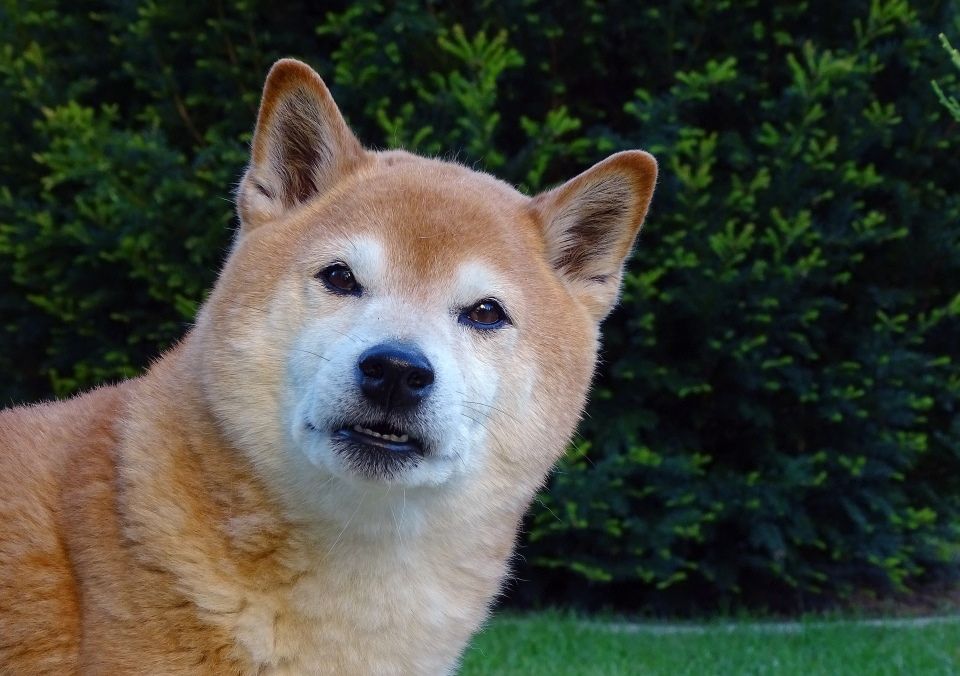
One way to keep your Shiba Inu happy is through grooming. This includes nail trimming, teeth cleaning, trimming their fur, a nice bath, and of course, cleaning their ears. When you clean your Shiba Inu’s ears, you keep them healthy and prevent infections.
Cleaning a Shiba Inu's ears comes down to four calm steps: groom away any hair around the ear first, fill the canal with a vet-recommended liquid cleaner and massage the base, wipe the loosened debris from the flap and upper canal with a cotton ball, then let the dog shake its head to clear the rest. The whole thing works best when the dog is relaxed and rewarded, and it should never go deeper than your finger can reach. Shibas have upright ears with good airflow, so they usually need this less often than floppy-eared breeds, only when you see wax or after water. The single most important rule: this is for maintaining healthy ears, not treating sick ones. If an ear is red, smelly, or painful, stop and see a vet.
The short version, in four parts:
- Groom the ear area first so hair and mats do not trap cleaner and debris.
- Apply vet-recommended liquid cleaner and massage the base to loosen buildup.
- Wipe the flap and upper canal with cotton, never a swab pushed deep.
- Let the dog shake, then dry, and stop if the ear looks or smells infected.
Why should you clean your Shiba Inu’s ears?
Sometimes, ear cleaning is overlooked, while it’s not an enjoyable experience for other owners and dogs.
But cleaning your dog’s ears is very important for the following reasons:
Prevent infections. A dog’s ears can build up dirt and wax, which provide food for disease-causing bacteria. Also, Excess wax makes it difficult for any medication to get into the ear.
Removes moisture. When you clean your Shiba Inu’s ears, you also remove any excess water or moisture that might have entered while swimming or taking a bath.
Remove weed. There might be weed and other organic matter that might have gotten stuck in your dog’s ears while they were playing. Make sure to examine the ears weekly and pull them out.
For your dog’s comfort. Clean ears mean keeping your Shiba Inu healthy, fresh, and comfortable.
Some breeds have naturally healthy and clean ears, but they still need to be checked in case of dirt buildup. Dog breeds with long hanging ears, like the Basset Hounds and Cocker Spaniels, are at the highest risk of ear infections. All dogs can still develop ear diseases, regardless of the breed.
Checking your dog’s ear needs to be done regularly. If your dog enjoys having its ears rubbed, it might be no problem, but if it pulls away, the ears might be sore or painful. You can examine and check its condition by gently massaging its ears.
Is it safe?
Generally, it is safe to clean your Shiba Inu’s ears at home. However, owners must still be careful of the following:
Don’t clean excessively. Don’t clean your Shiba Inu’s ears more than once a week unless your veterinarian tells you. Excessive cleaning removes the healthy bacteria that your Shiba needs in its ears. However, owners are usually directed to clean and medicate daily for dogs with ear infections until the infection has been rechecked and healed.
Use prescribed cleaners. Only use ear cleaners prescribed by your veterinarian.
Here are also the signs that a veterinarian should check your Shiba Inu’s ears:
- Scratching of the ears
- Excessive head shaking
- Whining or pulling away when you touch their ears
- Discharge from the ears
- Inflammation
- Foul odor from the ears
How to Clean your Shiba Inu’s Ears
First, check with your veterinarian on how often you should clean your dog’s ears. The frequency of ear cleaning depends on your dog’s age, breed, coat, and activities.
The general rule of thumb is to clean your Shiba Inu’s ears at least once a month. Based on its activities, especially swimming, it is always best to check and clean more frequently.
Also, make sure only to use veterinarian-prescribed ear cleanser. There are a lot of homemade ear-cleaning solutions for dogs. However, these may contain harmful ingredients or are not as effective.
Tools to clean your Shiba Inu’s ears
- Cotton balls or gauze
- Dog ear cleaning solution
- Towel
Steps in cleaning your dog’s ears
Some dogs are uncomfortable with having their ears cleaned, so ensure you perform this when your pet is calm or use treats as a bribe.
- Groom first. If your dog has hairy ears, it needs a haircut before cleaning. You must also remove matted hair around the ear canal and ear flap.
- Apply dog ear cleaning solution. Fill your dog’s inner ear with an ear cleaning solution and massage gently at the base for 30 seconds. Do not insert the tip of the bottle directly into the ear, as this can cause bacteria.
- Wipe the debris. After the massage, use a cotton ball or gauze pad to wipe away debris from inside the flap and upper canal of the ear.
- Let your dog shake its head. If your dog wants to shake its head, let him. This helps remove leftover ear cleaning solution and debris from the ear. You can use a cotton ball or ear gauze pad again to clean. Never go deeper than what your finger can reach.
Stop and consult your veterinarian if your Shiba Inu appears to be in pain during the ear cleaning process.
Five mistakes that turn ear cleaning into a problem
The four steps are simple. What trips owners up is not the technique but a handful of avoidable mistakes, most of which make the ear worse or teach a Shiba to hate the whole routine.
- Going too deep. The canal bends at a right angle, and a cotton swab pushed in packs debris down toward the eardrum instead of removing it. Clean only what your finger and a cotton ball can reach on the flap and upper canal. Let the head shake do the deep work.
- Cleaning an infected ear. If the ear is red, swollen, smelly, or sore, cleaning it at home usually spreads the problem and hurts the dog. An infection needs a vet diagnosis and often a medicated product. Cleaner is for healthy ears, not sick ones.
- Over-cleaning. A healthy ear has protective wax and bacteria, and scrubbing it several times a week strips that balance and can cause the very irritation you were trying to prevent. Clean when there is visible wax or after water, not on a rigid frequent schedule.
- Using the wrong product. Homemade vinegar or peroxide mixes and human ear products can burn or dry out the canal. Use a liquid cleaner your vet recommends, and never insert the bottle tip into the ear.
- Rushing a nervous dog. Shibas are dramatic about handling, and forcing a panicked dog turns ear cleaning into a battle you will lose every week. Go slow, pair it with treats, and stop the moment the dog signals pain. A calm dog is a clean dog.
We boarded a Shiba whose owner cleaned both ears twice a week whether they needed it or not, and the dog had developed chronically irritated, itchy canals from the over-cleaning alone. Backing off to cleaning only when there was visible wax, plus a vet check to rule out allergies, settled it down. The lesson: with Shiba ears, less is usually more. If you are still weighing the day-to-day care this breed asks for, our honest guide to whether a Shiba Inu is right for you lays it out, and product choices are covered in dog ear cleaning solutions recommended by vets.
What we have learned cleaning Shiba ears since 2019
Across 250-plus Shibas boarded and placed since 2019, the dogs that tolerate ear cleaning are almost always the ones who were handled gently and early, before anything ever hurt. The dogs that fight it usually learned that ears meant discomfort, either from a past infection or from an owner rushing the job. Building a calm association first is what makes the four steps actually possible.
What worked: cleaning only when needed, drying thoroughly after baths, and treating the first whiff of odor as a reason to call a vet rather than clean harder. What did not work: a fixed cleaning schedule regardless of what the ear looked like, and pressing on when a dog clearly said it hurt. We clean the healthy ears of dogs in our care and flag anything that looks off, but we do not diagnose or medicate. Our in-home boarding includes vet transport, so a dog with a questionable ear gets a professional look on time. What the ear needs beyond a basic clean is always the vet's call.
Related questions
How deep should I clean into my Shiba's ear?
Only as deep as your finger wrapped in a cotton ball can reach, which is the flap and the very top of the canal. The canal bends sharply, so anything pushed past that point packs debris toward the eardrum. After you massage in the cleaner, let the dog shake its head to bring up the deeper debris. Never use a cotton swab in the canal.
What if my Shiba won't let me clean its ears?
Slow down and build tolerance before you clean. Start by touching and gently massaging the ears paired with treats, over several short sessions, until the dog relaxes. Only then add cleaner. If a dog stays panicked or the ear seems painful to touch, that pain may itself be the problem, so have a vet check it rather than forcing the cleaning.
Can I use water or peroxide to clean dog ears?
Plain water leaves moisture behind that can breed yeast, and peroxide and vinegar mixes can irritate or burn the canal, especially if the skin is already inflamed. A liquid cleaner formulated for dogs and recommended by your vet is the safe choice. It cleans and helps the ear dry. When in doubt about a product, ask your veterinarian first.
What to read next
To choose a product, read dog ear cleaning solutions recommended by vets. Because allergies drive a lot of ear trouble in this breed, our guide to Shiba Inu skin allergies is useful, and ear care sits inside the wider routine in grooming your Shiba Inu. If you travel and want ears checked and cleaned for you, our in-home boarding handles it and can arrange vet transport if needed.
Looking to adopt or rehome a Shiba?
Rescue-first rehoming with vetted families, 1-year health guarantee, lifetime support.