
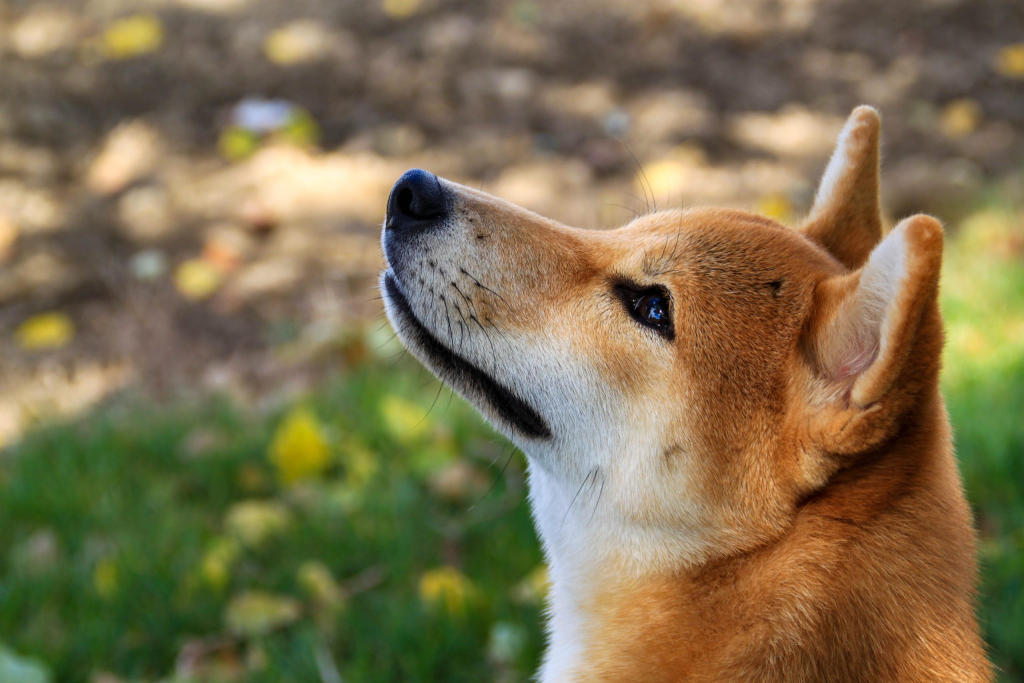
In human health, high blood pressure is an alarming condition. But do you know your Shiba Inu is also susceptible to such a difficult health issue?
High blood pressure can occur in up to 10% of dogs, and diagnosis is tricky too. Our dogs can’t tell us what they feel, so veterinarians rely on symptoms. It is a serious health condition and needs treatment and monitoring.
As fur parents, you should also be aware of the causes, the first signs, and how to prevent and cure high blood pressure in dogs.
High blood pressure (hypertension) in a Shiba Inu is usually a symptom of another underlying problem rather than a standalone disease, which is why it so often goes unnoticed until a vet finds it. Dogs cannot tell us they feel unwell, and hypertension rarely announces itself, so it tends to surface during a workup for something else or at a routine senior check. Left unmanaged, high blood pressure can quietly damage the eyes, kidneys, heart, and brain. The good news is that vets can measure it, look for the cause, and manage it, but only if the dog is actually seen. This is general information, not a diagnosis, so anything you notice belongs in a conversation with your vet.
The short version, in four parts:
- Canine hypertension is usually secondary to another condition, so vets look for a cause.
- It is largely silent, and the damage often shows up before obvious symptoms do.
- Untreated, it can harm the eyes, kidneys, heart, and brain over time.
- Diagnosis and management belong to your vet, and regular checkups are how it gets caught.
What is high blood pressure?
High blood pressure, or hypertension, is when your dog’s blood pressure is higher than normal. This health condition affects the heart, kidneys, and nervous system.
There are two known cases of hypertension. One where it is the main issue, primary hypertension, and two, where it is the result of other diseases, secondary hypertension.
According to studies, 0.5% to 10% of dogs, ages two to fourteen, suffer from high blood pressure.
What causes high blood pressure in dogs?
The causes of primary hypertension are unknown, and research says it could be hereditary.
Secondary hypertension, on the other hand, is more common and is caused by underlying diseases such as:
- Kidney disease
- Cushing’s Disease
- Renal disease
- Obesity
- Hormonal issues
- Hyperthyroidism
- Diabetes
- Adrenal tumor
Are there breeds that are more prone to high blood pressure?
Yes, some dog breeds are more likely to develop high blood pressure. This is because they are also vulnerable to diseases that can lead to hypertension.
These are the dog breeds that have a higher risk of developing Cushing’s disease, making them more prone to high blood pressure:
- Dachshunds
- Poodles
- Terriers
Additionally, dog breeds more vulnerable to diabetes can result in high blood pressure. Breeds include:
- Schnauzers
- Spitzes
- Bichon frises
- Australian terriers
Symptoms of High Blood Pressure in Dogs
In most cases, symptoms of high blood pressure in dogs are not noticeable, which makes it more risky. If unattended, it can damage the internal organs, cause kidney disease, or affect the brain and heart.
Here are the common symptoms of hypertension in dogs:
- Seizures
- Uncoordinated movements
- Nosebleeds, blood in the urine
- Persistent dilated pupils
- Depression
- Blindness
If your Shiba Inu displays any of the symptoms mentioned, immediately go to your veterinarian. Your vet will determine the condition and will take blood pressure tests.
How do veterinarians measure your dog’s blood pressure?
High blood pressure tests in dogs are similar to the human way of measuring.
A vet will put on an inflatable cuff over your Shiba’s ankle and inflate the cuff. After deflating the device, the vet will use a stethoscope to listen and measure the sound of the blood pulsing.
However, this is tricky as many dogs get nervous and stressed during vet appointments. This greatly affects the diagnosis. So most vets would do the checking process multiple times.
There are also other methods, but each has its limitation and accuracy.
Direct via arterial measurement is the most accurate but also the most invasive as it requires puncturing an artery. This is usually used on dogs in critical condition.
How to treat your dog’s high blood pressure?
Suppose the diagnosis is secondary hypertension (high blood pressure caused by another health issue). In that case, the underlying disease has to be treated for the blood pressure to stabilize back to normal levels.
However, even when the underlying disease is controlled, there are instances where lifelong medication for high blood pressure is required. It could be a single medication, but if your dog’s response to medicines is slow, multiple drugs might be required.
The goal of this treatment is to prevent organ damage. Furthermore, regular checkups and lab tests are required to see your pooch’s reaction to medication.
Understanding high blood pressure in dogs, and what to watch for
Hypertension is one of those conditions that rewards understanding, because the more you know how it behaves, the more sense your vet's approach will make. Here is the shape of it.
- Primary versus secondary. In dogs, high blood pressure is most often secondary, meaning it rides along with another condition rather than appearing on its own. Kidney disease, hormonal disorders, and certain other illnesses are common drivers. This is why a vet who finds high blood pressure will usually go looking for a cause rather than just treating the number.
- Why it hides. Blood pressure is invisible from the outside. A dog with elevated pressure can look and act completely normal while the condition quietly stresses the organs. There is no reliable way to eyeball it, which is the whole argument for having a vet check it, especially as your Shiba ages.
- Signs that can appear. When symptoms do show, they often reflect damage already underway: sudden vision loss or changes in the eyes, disorientation, lethargy, nosebleeds, or blood in the urine. These signs are not specific to hypertension, so treat any of them as a reason to see your vet, not as a diagnosis you can make at home.
- How vets diagnose it. Diagnosis starts with actually measuring blood pressure using a cuff, usually taking several readings in a calm setting because stress alone can push the number up. If pressure is high, the vet typically runs further tests to find the underlying cause. The measurement is quick and non-invasive.
- How it is managed. Management generally means treating the underlying condition, sometimes adding medication, and monitoring on a schedule the vet sets. The specifics belong entirely to your veterinarian and to your individual dog. The theme is ongoing management, not a single cure, which makes consistent rechecks part of the deal.
- Monitoring and everyday health. You cannot prevent every case, but you can stack the odds: keep your Shiba at a healthy weight, feed well, and keep up with vet visits so a problem gets caught early. For senior dogs in particular, a blood pressure check folded into the regular exam is one of the cheaper forms of peace of mind.
A composite from the kind of story owners share: a senior Shiba is brought in because he suddenly seems to be bumping into things, and the vet finds high blood pressure tied to an underlying condition. Because it was caught during a workup rather than ignored, there was a plan to make. The lesson owners take away is almost always the same, that the routine visit is what surfaced it. Because chronic conditions carry real ongoing cost, our breakdown of what a Shiba Inu costs in California is worth reading, and because age raises the stakes, so is our guide to caring for a senior Shiba Inu.
What health monitoring across our pack has reinforced
Across 250+ Shibas placed since 2019, the conditions that scared us least were the ones caught early at a routine vet visit, and the ones that scared us most were the silent ones nobody was checking for. High blood pressure sits squarely in that second group, which is why we treat regular veterinary care as non-negotiable, not optional.
What has worked: keeping dogs at a healthy weight, feeding sensibly, and never skipping checkups, especially for older Shibas. We do not diagnose or treat anything ourselves. Our role is to notice changes early, keep the vet in the loop, and make sure every dog actually gets seen. A silent condition only gets caught if someone is looking.
What has not worked, and what we steer owners away from: waiting for obvious symptoms before booking a vet visit. With hypertension, the visible signs often mean damage has already started. If getting a senior dog to the clinic for regular monitoring is the barrier, that is a solvable problem. Our boarding and vet transport service can get your Shiba to appointments, so a checkup schedule does not fall apart because life got busy.
Related questions
What are the signs of high blood pressure in a dog?
Often there are none until damage is done, which is what makes hypertension dangerous. When signs do appear, they can include sudden vision changes or blindness, disorientation, unusual lethargy, nosebleeds, or blood in the urine. Because these overlap with many other conditions, they are a reason to see your vet promptly rather than to self-diagnose. The most reliable way to catch high blood pressure is a vet measuring it, not spotting symptoms at home.
Can high blood pressure in a Shiba Inu be treated?
Yes, in most cases it can be managed. Because canine hypertension is usually secondary to another problem, treatment starts with finding and addressing the underlying cause, often alongside medication and ongoing monitoring. The specific plan and any medication are decisions for your vet, tailored to your dog. Consistent rechecks matter, because managing blood pressure is an ongoing process rather than a one-time fix.
How is a dog's blood pressure measured?
Vets measure a dog's blood pressure much like a doctor measures yours, using an inflatable cuff on a leg or the tail while the dog stays as calm as possible. Because stress can raise the reading, vets usually take several measurements in a quiet setting. If a reading is high, your vet will look for an underlying cause rather than treating the number alone. It is a quick, non-invasive part of a checkup.
What to read next
Because chronic conditions carry ongoing cost, read what a Shiba Inu costs in California. For the age group most affected, see caring for a senior Shiba Inu, and for a foundation of everyday health, how to maintain your Shiba's weight. If regular vet monitoring is hard to keep up, our boarding and vet transport can help get your dog to appointments.
Looking to adopt or rehome a Shiba?
Rescue-first rehoming with vetted families, 1-year health guarantee, lifetime support.