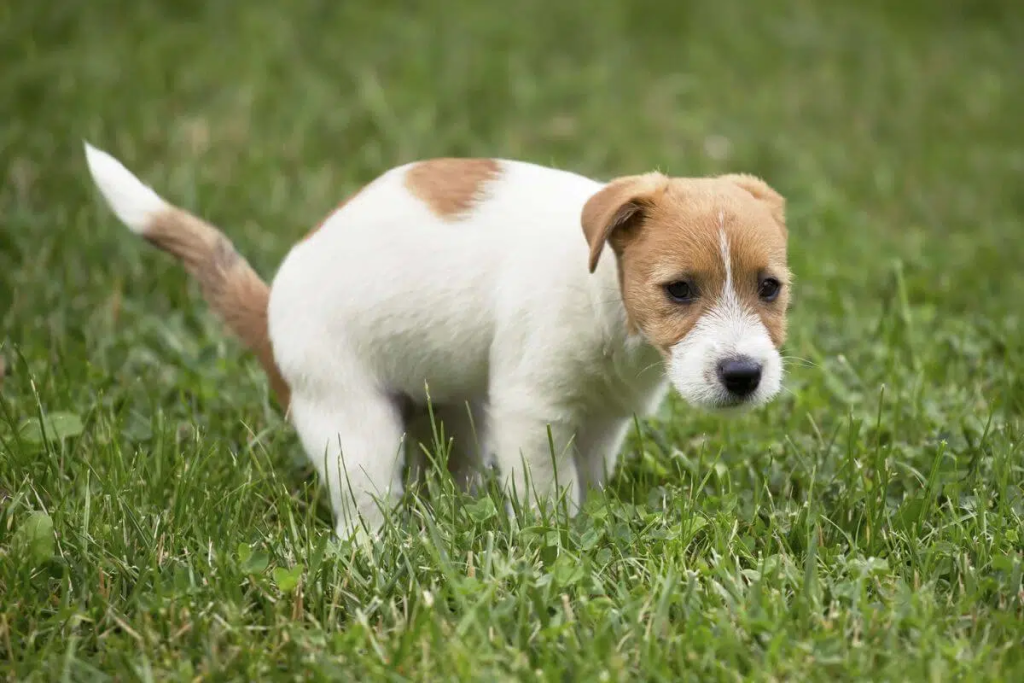
When your Shiba isn’t pooping as they usually do, or not at all, they are most likely constipated.
Constipation is a common health problem in dogs. This means when your Shiba Inu can’t pass a normal stool, which is soft but still hold its form, regularly. Constipation in dogs can be mild or severe, but it is often easy to treat.
What you do need to look out for is obstipation. This is when constipation is so severe that passing is impossible, or when your dog does, it is painful as their stool is small, hard, and dry.
Prolonged or severe obstipation can lead to megacolon, a condition where the colon wall muscles are stretched and can no longer function properly.
To avoid this, here’s what you need to know about constipation in dogs, its signs, its causes, and what you can do to treat it.
A constipated dog is one that cannot pass a normal stool on its usual schedule, and while most mild cases clear up with more water, fiber, and movement, the important skill is knowing when it has stopped being a nuisance and become an emergency. A dog straining without result, or one that has not passed stool in a couple of days, needs a veterinarian rather than another home remedy, because a blockage or a condition like obstipation can turn serious. Shibas are private about their bathroom habits, so a dog that suddenly circles, strains, or cries while trying to go is telling you something. Prevention leans on the boring basics: steady diet, enough water, regular exercise, and keeping indigestible objects out of reach.
The short version, in four parts:
- Constipation means difficulty passing a normal stool, and most mild cases are manageable.
- Water, fiber, and exercise are the everyday levers that keep things moving.
- Straining with no result, or no stool in two to three days, is a vet visit, not a home fix.
- Never give a human laxative on your own, since some are dangerous to dogs.
What is constipation?
Constipation is difficulty passing stool or feces and is usually temporary.
Many dogs with constipation experience pain when pooping. Some even pass small amounts of liquid feces or blood due to straining.
When constipation is prolonged, it can lead to obstipation, which can be serious, permanent, or irreversible.
Additionally, one of the colon’s primary functions is absorbing water, and when the retained stool is hard and dry, passing is difficult. In some cases, it dehydrates the dog.
Causes of Constipation
In digestion, waste is full of water and pushed through the intestines to the colon by a muscular motion. The water is absorbed in the colon, and the waste becomes the stool. If this process becomes slow, the colon will keep absorbing water, thus making the stool harder and drier.
The most common cause of doggy constipation is ingesting indigestible objects that get stuck in the colon, preventing waste from pushing through. Still, there are many other causes as well, such as:
- Inadequate exercise
- Diet (poor diet or sudden changes)
- Not enough fiber
- Eating indigestible objects
- Age
- Renal issues
- Medications
- Stress
- Colon disease
- Tumors
Symptoms of Dog Constipation
The symptoms of dog constipation are usually easy to spot, like:
- Lack of defecation (usually for a few days)
- Hard, dry, and pebble-like stool
- Straining while pooping
- Pain while pooping
- Stool with mucus
- Stool with blood
Generally, dogs defecate 1-3 times daily, often after meals. Your dog is constipated if he attempts to pass stool several times unsuccessfully. You may see him excessively circling, dragging his bottoms to the ground, or even crying and whimpering out of pain.
If your Shiba Inu displays the signs above and fails to produce a stool in 48 to 72 hours, take him to the veterinarian.
Constipation can happen to any dog of breed and age but is more common in older dogs.
Treatment for Dog Constipation
If the condition has just started (constipated dog for a day or two), there are home remedies that could ease this. Remember, it is best to call your veterinarian instead of self-medicating, and what worked for other dogs might not work for your Shiba.
For home remedies, try the following:
Canned dog food. Canned dog food is softer and has a higher moisture content, creating softer stools. You can mix canned food with their normal meal to avoid an upset stomach.
Pumpkin Puree. Pumpkin puree is high in fiber and moisture and helps regulate the digestive tract. DO NOT give pumpkin pie filling.
Lots of water. Make sure your Shiba Inu is well-hydrated, and make sure to encourage them to drink, as well. If they are not drinking water, consult the vet.
Exercise. Take your dog for a walk to get his bowels moving. Activities like running is a good way to get the digestive tract moving.
It is best to consult the veterinarian and seek professional help for chronic and persistent constipation. Here are the treatments that your veterinarian may recommend to do:
Enemas. Enemas can be uncomfortable for your Shiba. Most dogs dislike this procedure and should not be forced on your pooch. If done improperly, it can cause injury so this should be performed by a professional only.
Laxatives. Before giving your dog laxative, make sure you have the go sign from your veterinarian. Long-term use of this medication can dehydrate your dog.
For serious constipation, other treatment options might include:
- If the colon is affected, manual removal might be recommended
- Medication to block enzyme
- Nerve-stimulating medication
- Surgery
The Everyday Causes of Constipation, and How to Head Them Off
Most constipation traces back to a handful of ordinary causes, and each one has a practical countermove. Here is what tends to back a dog up and what you can do about it before it becomes a problem.
- Not enough water. The colon absorbs water from waste, so a dog that drinks too little ends up with harder, drier stool. Light drinkers are especially prone. Adding water or a splash of low-sodium broth to meals, and keeping fresh water everywhere, is the simplest lever you have.
- Diet and fiber. A sudden food change or a diet short on the right fiber can slow things down. Some dogs benefit from a vet-approved fiber source, but more is not always better, since too much can backfire. Any diet change should happen gradually over several days rather than overnight.
- Too little exercise. Movement helps move the gut. A dog that has been cooped up, recovering from an injury, or simply under-walked can get sluggish in more ways than one. For a working breed like the Shiba, regular walks do double duty for mood and digestion.
- Eating indigestible objects. This is the one that turns dangerous fast. Shibas are curious and will swallow things they should not, and a bone fragment, a chunk of toy, or a wad of hair can lodge in the colon. If you suspect your dog ate something it could not digest, that is a vet call, not a wait-and-see.
- Age and mobility. Older dogs are more prone to constipation, partly because they move less and partly because other conditions come into play. A senior straining to go may also be dealing with arthritis that makes the posture painful, which is worth mentioning to your vet.
- Stress and routine changes. Travel, a new home, boarding, or a shift in schedule can throw off a dog's regularity. Some Shibas hold it when they are anxious or out of their normal environment. Keeping routines steady through a disruption helps more than people expect.
A composite: a senior Shiba we will call Kenji started straining and circling, and his owner assumed it was a passing thing. Two days in, still nothing, and Kenji was clearly uncomfortable. The vet found a mild blockage tied to a low-water diet and too many hard treats, cleared it safely, and set a plan with more moisture and gentler chews. What looked minor was a couple of days from serious. Kenji's owner learned to count the days rather than hope.
If your dog's gut is a frequent worry, our guide on what to do when your Shiba has a sensitive stomach covers the wider picture, and owners deciding whether the breed fits their routine should read is a Shiba Inu right for me.
What We Watch For During Boarding
Since 2019 we have placed more than 250 Shibas and boarded many more, and tracking a dog's bathroom habits is a bigger part of the job than most people would guess. A dog's stool is one of the clearest daily readouts of how it is doing, so we pay attention.
Boarding is a classic setup for constipation. A dog in a new place, off its normal schedule, sometimes holding it out of nervousness for the first day, can back up quickly. We counter that by keeping the dog's own food, sticking close to its home feeding times, walking on a predictable rhythm, and giving a shy dog quiet, unhurried chances to go.
We keep a simple log. If a boarding dog has not gone in a day, we notice. If it is straining without result, we notice that too. A dog that skips a day but is bright, eating, and drinking is different from one that is straining and uncomfortable, and knowing the difference tells us whether to adjust the routine or call a vet.
We do not reach for human laxatives or home remedies on our own, and we would never tell an owner to either. Some human products are outright dangerous to dogs, and constipation can mask a blockage that a laxative would make worse. When a dog is genuinely stuck or in pain, the answer is a vet, and our vet transport gets them there fast.
None of this is veterinary advice, and we do not diagnose. What we offer is a steady routine and someone paying attention to the small signals. If you want your Shiba's habits kept regular and watched while you travel, that is what our in-home boarding is built around.
Related questions
How long can a dog go without pooping before I worry?
Most dogs go one to three times a day, often after meals, so a full day without a stool is worth watching and two to three days without one is a reason to call the vet. Straining hard with nothing to show is more urgent than simply skipping, since it can signal a blockage. When in doubt, describe the pattern to your vet.
Can I give my dog a human laxative or stool softener?
Not on your own. Several human laxatives and stool softeners are unsafe for dogs, and giving one can turn a manageable situation into a dangerous one, especially if a blockage is the real cause. If your dog needs help moving things along, let your vet choose a dog-safe option and the right amount.
What home steps can help mild constipation?
For a dog that is otherwise bright and only mildly backed up, more water, a bit of vet-approved fiber, a little canned food for moisture, and a good walk often help. Introduce any change gently to avoid an upset stomach. If there is no improvement in a day or two, or the dog seems to be in pain, stop the home approach and see the vet.
What to read next
If gut trouble is a pattern, read what to do when your Shiba has a sensitive stomach and, for older dogs, our guide to caring for a senior Shiba Inu. Owners weighing the breed should start with is a Shiba Inu right for me, and if you travel, our in-home boarding keeps routines steady.
Looking to adopt or rehome a Shiba?
Rescue-first rehoming with vetted families, 1-year health guarantee, lifetime support.