
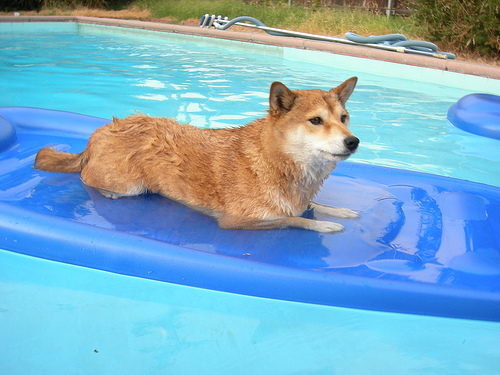
One of the most enjoyable things about being a fur parent is involving your dog in adventurous activities like hiking, running, and jogging. And when warmer seasons come and you see all these swimming dogs, you wonder: can my Shiba Inu do that?
Yes, a Shiba Inu can swim, but very few are born wanting to. The breed is not a water dog, and most Shibas read an unfamiliar pool or shoreline as a threat until they are shown otherwise. With slow, positive introductions on a warm day, a healthy Shiba can learn to paddle, cool off, and even enjoy it. A stubborn or fearful one may never love water, and that is a normal outcome, not a failure on your part.
The short version, in four parts:
- Physically, Shibas can swim. The paddle reflex kicks in once they are in water deep enough that their feet leave the bottom.
- Temperamentally, most resist. Expect caution, not enthusiasm, for the first several sessions.
- Introduction matters more than technique. A calm, unrushed first experience decides whether water becomes a yes or a hard no.
- Safety is non-negotiable. Supervision, a fitted canine life vest, and a known exit point keep a nervous swimmer out of trouble.
Can Shiba Inu swim?
Yes, the Shiba Inu can swim if they are properly introduced to water and taught how to.
However, it’s not a water dog and is instinctively afraid of water. So take note that it might be a challenge to get a Shiba Inu to swim, especially with its stubborn temperament.
Still, every Shiba Inu is different, and even their reaction to different bodies of water varies.
Some Shiba is very tolerable with bath time while others just downright hate it no matter how much you try to make bathing enjoyable.
Puddles are also disliked, and Shiba Inus tend to completely avoid stepping on one.
But, playing with the hose is a joy for this dog and is a fun activity on a warm afternoon.
Swimming, on the other hand, is a preference. Some Shiba will choose to stay near the shore or in shallow waters, while others are more than ready to swim and play.
It’s been observed that Shiba Inus that like water are actually those that grew up near the sea or ponds.
Benefits of swimming for your dogs
Owners would want to introduce and teach their dogs to swim for its amazing benefits. Not only is it a good cool-down activity on a hot day, but it also offers health benefits for pets.
It is especially helpful for dogs who are rehabilitating from an injury or surgery and is also a recommended activity for overweight pooches.
Improves overall health
If you want to engage your dog in different forms of exercise with one activity, swimming is the way to go.
It’s been said that one minute of swimming is equal to four minutes of running. Swimming also strengthens the heart and lungs, increases metabolism, and improves circulation. The limb movement to go against the water also uses different kinds of muscles, and this also improves strength.
Stress-reliever
Aside from its physical benefits, it also helps with your dog’s mental well-being.
A dog’s mental state can be stimulated through play and different forms of activities. Swimming is one of them as it is a play without a leash. It allows them to release all their energy without being restrained.
How to introduce your Shiba Inu to water
First impressions last.
So if you want your Shiba Inu to like water, you must ensure his first water experience is positive and enjoyable.
Start small
When introducing new things to your dog, always start small and slow. The same goes for water and swimming.
For starters, a kiddle pool with his favorite toys floating on it is a great way to introduce water to your Shiba. Aside from that, you as the fur parent should also be playful and positive
If you want to introduce your dog to the sea, start near the shore or in shallow water. Once he has become comfortable with shallow water, try walking him out to deeper parts where the doggy paddle reflexes automatically kick in.
If you see him having fun, slowly let him go but make sure he is still within reach.
Allow your Shiba to explore
Don’t rush your Shiba Inu and allow it to explore independently. Rushing them into the water might just scare them, even though you are aiming for a fun experience.
Let them venture into the sea or pool and offer them a wet toy and wait for their reaction. After a few minutes of letting them explore, try to play fetch and toss a toy into the water. If your dog doesn’t follow after it, it’s okay.
You can always try again at a later time.
Remember, water is a foreign element for your Shiba. He’ll be cautious so let him explore and get wet on his own.
Offer encouragement
Sometimes, what your dog needs is a bit of a push. Not literally, but a boost of encouragement might do the trick.
One simple push you can do is to bring another dog who loves swimming. When your Shiba sees this dog splashing, having fun, and playing with the water, it can act as a confidence booster.
If another dog is not possible, you can do it yourself! Walk into the shallow part of the pool or ocean and bring his favorite toy or ball with you. Toss the ball, and encourage your dog to play.
If he’s not interested, try again after a few minutes.
What to look out for
Like every activity, your dog’s safety and comfort should come first. While swimming is a wonderful way to spend a warm afternoon, you still need to keep a close eye on your dog, especially if you are out in the sea.
Here are things to look out for:
- Big waves
- Broken glass
- Sharp sticks
- Pointed rocks
- Snapping turtles
- Snakes
Also, make sure your pet is up-to-date with its vaccination.
A five-stage plan for teaching a Shiba to swim
Rushing a Shiba into water is the fastest way to lose water for good. We stage it, and we let the dog set the pace at each step.
- Dry familiarity. Before any water, let your Shiba investigate the empty kiddie pool, the hose coiled on the ground, or the shoreline with no pressure to get wet. Pair the location with treats and calm praise so the place itself reads as safe.
- Shallow contact. Add an inch or two of water, or walk to the point where wet sand meets the tide. The goal is paws in, nothing more. Many Shibas plant their feet here for a week of sessions, and that is fine.
- Buoyancy and the first float. Once shallow water is boring rather than scary, fit a canine life vest and support the chest and belly as you guide the dog to where the feet lift off. This is the moment the paddle reflex appears. Keep it to a few seconds, then walk back to shallow ground.
- Short supervised swims. Extend the float to a short paddle toward you or toward a favorite toy, always with a clear, gentle exit within reach. Stop while the dog still has energy, not after exhaustion.
- Building a real routine. Repeat on warm days, keep sessions short, and always rinse salt or pool chemicals off the coat afterward. Consistency, not duration, is what turns tolerance into genuine enjoyment.
One Shiba we boarded arrived terrified of the garden hose and flinched at puddles. Over a summer of dry familiarity first, then ankle-deep sessions with a vest, he went from bolting to wading in on his own. He never became a dog who dove off the dock, and that was the honest ceiling for him, but he could cool off in shallow water without panic. That is a win worth naming.
Whether swimming even suits your dog depends heavily on temperament, and honesty about that starts before you adopt. For the deeper read on breed fit, see our guide on whether a Shiba Inu is right for you. On a hot Bay Area afternoon, pair any water plan with the heat precautions in how to protect your Shiba Inu in the summer.
What we have seen
Across 250-plus Shibas placed and boarded since 2019, a clear pattern holds: the dogs who end up liking water are almost never the ones who were forced. They are the ones whose first three or four experiences were boring and safe rather than dramatic. Push a Shiba off a dock or drag it into surf and you do not get a swimmer, you get a dog that now refuses bath time too.
What worked for us: shallow water, short sessions, a fitted life vest even for confident dogs, and a calm handler who is willing to stop early. What did not work: another dog as the only motivator (some Shibas take the cue, many just watch from dry land), and any session in cold water, which tightens a reluctant Shiba up fast.
One caution we repeat often. Swimming looks gentle but it is real cardiovascular and joint work. Before you start a swim routine with a senior Shiba, an overweight dog, or one with any history of joint or heart issues, talk to your veterinarian first. If the resistance to water is rooted in deeper fear or reactivity rather than simple novelty, a certified trainer or a veterinary behaviorist (DACVB) can tell you whether it is worth pursuing at all. When we work with a nervous dog on new experiences, we build it the same slow way we run our 1-on-1 training sessions.
Common followup questions
Does my Shiba need a life vest to swim?
We use one for every Shiba learning to swim, and for most experienced ones too. Shibas are compact and muscular, they do not float easily, and a nervous dog can tire faster than it looks. A fitted vest with a top handle also gives you a safe way to guide or lift the dog out. It is cheap insurance for an animal that is not a natural swimmer.
My Shiba hates water no matter what I try. Am I doing something wrong?
Probably not. A meaningful share of Shibas simply never choose to swim, and that is within the normal range for the breed. If your dog is comfortable, cool, and getting exercise other ways, there is no need to force water. Stop before a bad experience teaches the dog to fear bath time and hose time too.
Is swimming safe for a senior or overweight Shiba?
It can be one of the best exercises for both, because it is low-impact on the joints, but only after a veterinary checkin. Age, weight, and any heart or joint condition change what is safe. Keep senior sessions very short, use a vest, and watch closely for fatigue, which comes on faster in older dogs.
What to read next
If you are still weighing the breed, start with our honest guide on whether a Shiba Inu is right for you. For other warm-weather activities, read running with your Shiba Inu and how to protect your Shiba Inu in the summer. And when you travel or need a safe place for a water-shy dog, see how our boarding works.
Looking to adopt or rehome a Shiba?
Rescue-first rehoming with vetted families, 1-year health guarantee, lifetime support.