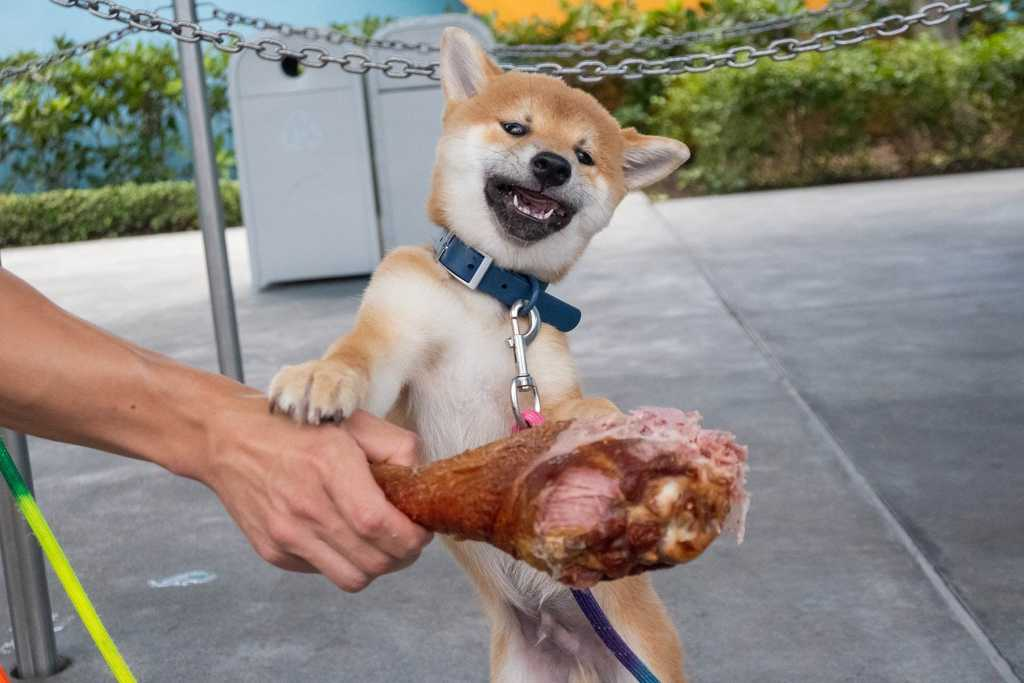
Feeding dogs food from the table is a common practice for some dog owners, and while this is okay, you need to know what human food is suitable for their health and what is dangerous for them.
Dogs and humans digest food differently, and this is why some food, including certain fruits and vegetables, are safe for humans but toxic and deadly for dogs.
However, healthy food fed excess can lead to canine obesity, which is a serious health concern.. And this is the main reason why you should always choose quality dog food, paired with exercise, for your dog’s diet.
Many human foods are safe for a Shiba Inu in moderation, but a specific short list is genuinely toxic and worth memorizing: grapes and raisins, onions and garlic, chocolate, xylitol, macadamia nuts, alcohol, and caffeine top it. Plenty of everyday foods (plain cooked chicken, carrots, blueberries, plain rice) make fine occasional additions. The two rules that keep a Shiba safe are to know the dangerous list cold and to keep even the safe stuff to small amounts, since this breed puts on weight easily. When in doubt about a food, leave it out and check with your vet before offering something new.
The short version, in four parts:
- Memorize the toxic list: grapes, raisins, onion, garlic, chocolate, xylitol, macadamia, alcohol, caffeine.
- Safe foods (lean cooked meat, many fruits and vegetables) are fine in small, plain, unseasoned amounts.
- Seasoning is a hidden danger: garlic and onion powder hide in sauces, broths, and human snacks.
- If your Shiba eats something toxic, call your vet or a pet poison line right away, do not wait for symptoms.
Human Food Shiba Inu Can and Can’t Eat
Humans rely on fruits and vegetables to get their daily supply of nutrients, however, a good portion of these are actually dangerous for your Shiba.
So here is a list of human food that your dog can and can’t eat.
Can: Carrots
Both raw and cooked carrots are safe for dogs. Carrots are low in calories and are a source of vitamins and minerals. Cutting them into bite-sized pieces is a good treat for your Shiba.
Can’t: Grapes and Raisins
Grapes and raisins have toxic compounds that are harmful to dogs, which can possibly lead to kidney failure and death.
Even small amounts of grapes or raisins can make a dog sick.
Can: Peanut Butter
Peanut butter is a safe treat for dogs as long as fed in moderation. It is high in fat and calories and may lead to weight gain if your Shiba eats too much.
Make sure to feed dogs plain, unsalted peanut butter.
Can’t: Chocolate
Chocolate, no matter how mouth-watering for us humans, is a big no-no for dogs.
Chocolate contains theobromine and caffeine, two stimulants dogs cannot efficiently metabolize.
If your Shiba eats chocolate, he might display symptoms like vomiting, diarrhea, and dehydration which can lead to more serious complications, including internal bleeding, muscle tremors, and seizures.
Any type of chocolate is deadly for your dog.
Can: Eggs
Cooked eggs are safe and nutritious for your Shiba.
One medium egg contains almost every vitamin, mineral, and protein. Some owners also claim eggs help relieve nausea in dogs, though there is no scientific evidence behind it.
However, avoid feeding raw eggs to your dog. They don’t typically get sick from this, but raw eggs can have bacteria like Salmonella that can spread from dog to its owners.
Can’t: Macadamia Nuts
Macadamia nuts are not good for your dogs.
Macadamia nuts, even in small amounts, contain toxins that might lead to vomiting, muscle weakness, tremors, hyperthermia, and depression.
Additionally, it is high in fat content, which may elevate your Shiba’s triglyceride levels and potentially lead to pancreatitis.
Can: Salmon
Cooked, boneless salmon is healthy for your dog. Salmon is an excellent source of omega-3 fatty acids, which can reduce inflammation and help keep your Shiba’s skin and fur healthy.
Avoid feeding raw salmon to your dog as it can contain a parasite which can be deadly for your dog.
Can’t: Onions
Never feed your dog onion as it contains N-propyl disulfide, a compound that is toxic to dogs. It can damage your dog’s red blood cells, reducing their ability to carry oxygen through the body. This can result in anemia.
All components and forms of onions are toxic to dogs, like leaves, juice, and onion powder.
The Danger Categories Worth Memorizing
Trying to remember every single food is hopeless. It is easier to learn the categories of what actually harms dogs, so you can spot the risk even in a food you have never looked up. Here is how we group them.
- Truly toxic, any amount is a problem. Grapes and raisins (can cause kidney failure), xylitol (a sweetener in gum, peanut butter, and baked goods that causes a dangerous blood-sugar crash), and chocolate (worse the darker it is). These are emergencies, not "a little is fine" foods.
- The allium family. Onion, garlic, leeks, and chives, raw, cooked, or powdered, damage red blood cells over time. The sneaky risk is seasoning: garlic and onion powder are in most human sauces, broths, and savory snacks, so "just a bite of my sandwich" is riskier than it looks.
- Fat, salt, and rich scraps. Bacon, fatty trimmings, and heavily salted foods can trigger stomach upset or pancreatitis in a small dog. This is where table-feeding does the most quiet damage, one greasy handout at a time.
- Choking and obstruction hazards. Cooked bones that splinter, fruit pits and apple seeds, corn cobs, and large chunks. Even a safe food becomes dangerous in the wrong form, so prepare fruits and vegetables by removing pits, seeds, and cores and cutting to size.
- Safe in moderation. Plain cooked chicken, turkey, or lean beef; carrots, green beans, pumpkin, blueberries, apple slices without seeds. These are fine as small, unseasoned additions, but they are still calories and should stay a minor part of the diet.
A boarder once got into a guest's bag and ate a few chocolate-covered raisins, hitting two toxic foods at once. The owner had left an emergency contact, so we called the vet immediately rather than waiting to see if the dog "seemed fine." Because we acted on the intake and not on symptoms, it was handled early and calmly. That is the whole lesson: with the truly toxic foods, the clock starts at the bite, not at the first sign of illness.
For the fuller breakdown of protein, fat, and safe produce, see our nutritional guide for your Shiba's diet, and for what belongs in the daily bowl, our dog food for a Shiba Inu guide.
What We Have Seen With Table Food and Shibas
Across more than 250 Shibas placed since 2019 and years of boarding, the dangerous-food incidents almost always trace to the same few situations: a dropped item on the kitchen floor, a guest sneaking a bite, a purse or counter left within reach, or holiday cooking with rich, seasoned scraps everywhere. Shibas are agile, food-motivated counter-surfers, so "out of reach" needs to mean genuinely out of reach.
The quieter pattern is not poisoning but creep. Owners who feed from the table teach a smart, persistent breed to beg, and the extra calories pile on while the dog's interest in its actual food fades. Many of the "picky eaters" we board are simply holding out for the good stuff because the household trained them to. Cutting table food usually fixes both the begging and the pickiness within a week or two.
Holidays deserve their own warning. Between chocolate, grapes and raisins in baked goods, onion and garlic in savory dishes, fatty trimmings, and cooked bones, the season stacks up every danger category at once. The dogs that stay safe are the ones whose owners set a "no table scraps" rule with guests ahead of time rather than policing it in the moment.
What has worked: knowing the toxic list, keeping human food genuinely out of reach, and having a vet number and a pet poison control line saved before you need them. If your Shiba eats something questionable, that is a call to a professional, not a moment to search forums. When we board dogs, we ask for an emergency vet contact up front precisely so we can act on intake immediately, and our boarding program keeps every dog on its own food to avoid surprises.
Common Followup Questions
What should I do if my Shiba eats something toxic?
Act on the intake, not on symptoms. Call your veterinarian or a pet poison control line right away and tell them what and how much your dog ate and when. Do not try to induce vomiting unless a professional tells you to, since it is the wrong move for some substances. Many toxins do the most damage before symptoms appear, so the earlier you get expert guidance, the better the outcome usually is.
Can Shiba Inus eat fruits and vegetables?
Many, yes, in small, prepared amounts. Safe options include carrots, green beans, pumpkin, blueberries, and apple slices with the seeds removed. Avoid grapes and raisins entirely, and skip onion, garlic, and their relatives. Always wash produce, remove pits, seeds, and cores, and cut to a size your dog will not choke on. Because fruits carry natural sugar and everything is calories, keep produce a minor part of the diet.
Is it okay to feed my Shiba from the table?
An occasional bite of a plain, safe food will not hurt, but regular table-feeding causes problems. It teaches begging, adds hidden calories to a weight-prone breed, and exposes the dog to seasoned foods that hide garlic, onion, and salt. If you want to share, set aside a small piece of unseasoned meat or vegetable and give it in the dog's bowl, not off your plate, so you keep both the calories and the manners in check.
What to Read Next
For the full nutrition picture, read our nutritional guide for your Shiba's diet, and to choose a strong everyday food, see dog food for a Shiba Inu. To keep a food-loving Shiba from gaining weight, read how to maintain your Shiba's weight. And if you are deciding whether the breed fits your household, start with is a Shiba Inu right for me, or see how our adoption program works.
Need in-home boarding for your Shiba?
Small groups, five walks a day, never a kennel. Daycare and vet transport included.