
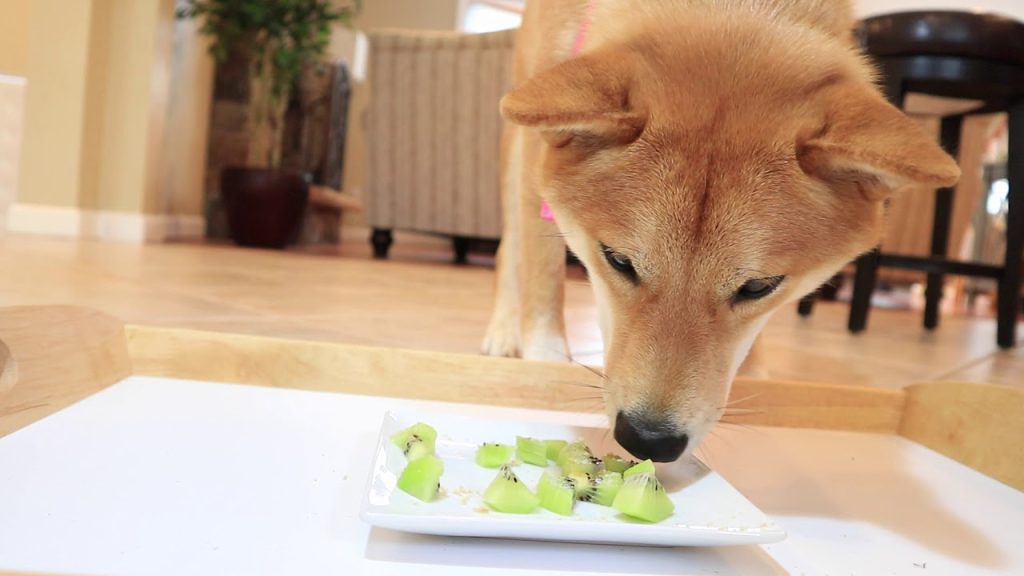
Originally, the Shiba Inu was bred to be hunting dogs in the mountainous regions of Japan and that gives us the idea that their past diet consists of small game, wild fowls, and fish. But, currently, their hunting days are all done and the Shiba Inu has become an energetic domesticated pet.
As pet owners, we want to feed our Shiba Inu the most nutritious food we can find. And this should contain proteins, carbohydrates, vitamins, healthy fats, and minerals in appropriate amounts.
Shiba Inus do best on a protein-forward diet built around real animal protein, moderate healthy fat, limited carbohydrates, and a complete vitamin and mineral profile matched to their age, weight, and activity level. This breed is small, active, and prone to putting on weight quietly, so portion control matters as much as ingredient quality. A good rule is to feed for the dog in front of you, not the number printed on the bag, and to adjust as your Shiba ages, slows down, or ramps up activity. When something looks genuinely off, a quick check with your veterinarian beats guessing.
The short version, in four parts:
- Prioritize named animal proteins (chicken, beef, lamb, fish) as the first ingredients.
- Keep carbohydrates moderate and watch for hidden fillers that add calories without nutrition.
- Match portions to weight and activity, then reassess every few weeks by feel.
- Introduce any new food slowly and clear it with your vet if your Shiba has known sensitivities.
The Shiba Inu’s Nutritional Guidelines
Generally, the Shiba Inu has a low-cost, low-maintenance diet, meaning they don’t need extra feeding besides their regular meals.
However, keep in mind to portion food depending on your Shiba’s weight and size.
Protein requirements
Proteins help build, strengthen, and repair the Shiba muscles and tissues. Aside from that, proteins also play a part in new cells and hair growth.
Your Shiba’s size, weight, and current condition will affect the amount of protein a dog needs. When your Shiba is pregnant, lactating, or exercises a lot, then you should feed it lots of proteins to help build its muscles.
However, if they are older or injured, they only require fewer proteins.
Carbohydrate requirements
Carbohydrates break down into glucose to help the cells, brain, and nervous system function properly. Additionally, it also provides energy for the dog.
But still, you need to be careful to not feed your Shiba with too many carbs. If broken-down glucose is too excessive, it turns into fatty acids which can lead to obesity. If you’ve been feeding your dog too many carbohydrates, make sure they are exercising more.
Fat requirements
Similar to carbohydrates, fat provides energy in Shiba Inu’s body. They are important for the production of fatty acids in the body that have two key roles; (1) easy absorption of vitamins into the body, and (2) maintaining healthier cells.
In addition, fatty acids are also good for the development of a healthy coat and skin.
Vitamins and minerals
Vitamins and minerals have extensive contributions to your Shiba Inu’s health. They plan a role in maintaining your dog’s bones, neuron system, and enzymes.
These are the following minerals that your Shiba Inu needs:
- Iodine
- Potassium
- Phosphorus
- Calcium
- Sodium
- Magnesium
- Copper
- Zinc
- Chlorine
- Iron
What you can and can’t give to your Shiba Inu
Most fruits and vegetables are safe for your pets. They only need to be prepared well, such as being cleaned, diced into bite-sized pieces, and having their stems and seeds removed.
However, you must also take note of your Shiba’s food sensitivity.
It is still recommended to give them a check-up at the vet first before feeding them any new food or diet.
Listed below are food, generally, your Shiba can and can’t eat!
Dairy Products
Dairy products are a great source of fats and are a good add-on to your dog’s diet when added in moderation.
However, if your Shiba Inu is lactose intolerant, dairy products can cause gat, bloating, or diarrhea.
| Can | Can’t |
| Cheese | Goat’s milk |
| Yogurt | |
| Cow’s Milk |
Fruits
Fruits are healthy treats for your Shiba. They are rich in vitamins, minerals, and antioxidants, making them a healthier alternative to dog treats.
Keep note that fruits are high in natural sugars. And before offering some to your Shiba Inu, make sure it is prepared well and the seeds are removed.
| Can | Can’t |
| Apples | Apricots |
| Bananas | Cherries |
| Blackberries | Dates |
| Blueberries | Grapes |
| Strawberries | Lemons |
| Watermelon | Plums |
Meats
Meats and proteins are Shiba Inu’s prime diet.
Dog foods usually have these covered, but some have additives that your Shiba Inu might be sensitive to. Other dogs do better on a “raw” diet but it is best to cook any meat, seasoning-free, before feeding them to your dog.
| Can | Can’t |
| Beef | Bacon |
| Chicken | Goose |
| Duck | Shellfish |
| Lamb | |
| Pork | |
| Turkey |
Vegetables
Most vegetables are safe for your Shiba, whether raw or steamed. To be safe and to ensure it is clean and healthy, fresh and non-canned vegetables are the best approach for your Shiba’s diet.
| Can | Can’t |
| Broccoli | Asparagus |
| Carrots | Avocado |
| Celery | Chile Pepper |
| Corn | Chives |
| Potatoes | Leeks |
| Cabbage | Mushrooms |
| Lettuce | Onions |
| Pumpkin | Tomatoes |
A Five-Part Framework for Feeding Your Shiba Inu
Nutrition advice gets overwhelming fast because every brand has a pitch. Strip it back to five decisions and the picture clears up. Here is the framework we use when we help an adopter set up a feeding plan.
- Protein source and quality. Look for a named animal protein as the first ingredient, not a vague "meat meal" or a plant protein padding the number. Shibas do well on chicken, beef, lamb, duck, and fish. Rotating proteins over time can help a dog that develops sensitivities, but change one variable at a time so you can trace any reaction back to its cause.
- Fat and coat health. Fat is the energy currency for an active Shiba and the raw material for that thick double coat. Omega-3 and omega-6 fatty acids, often from fish oil or flaxseed, support skin and coat. Too little fat leaves a dull coat and flaky skin. Too much stacks on calories fast in a small dog.
- Carbohydrate load. Carbs are not the enemy, but they are where cheap food hides filler. Whole sources like sweet potato, oats, or brown rice digest better than corn or wheat gluten used purely to bulk up a formula. Watch the total, because excess carbohydrate is the quickest route to a pudgy Shiba.
- Vitamins and minerals. A complete-and-balanced food that meets AAFCO standards already covers the core minerals a Shiba needs, from calcium and phosphorus to zinc and iron. Supplementing on top of a balanced diet is usually unnecessary and occasionally harmful, so add nothing without a reason and a vet's sign-off.
- Portion and life stage. A lactating female, a lean adult, and a senior with arthritis have three different calorie needs. The bag's feeding chart is a starting point, not a prescription. Weigh your dog, feel the ribs, and adjust from there.
A picky eater we boarded shows the pattern well. Her owner had cycled through four premium foods in a month, convinced each one had failed. The real issue was that free-feeding and a steady drip of table scraps had blunted her appetite for any actual meal. We put her on fixed mealtimes with nothing between, and within a week she was eating a single food cleanly. The food was rarely the problem. The routine was.
For the broader picture of what a Shiba costs to feed and care for over a year, see our guide to Shiba Inu costs in California. And if you want a deeper look at building the daily bowl, our post on choosing dog food for a Shiba Inu breaks down brands and formulas.
What We Have Seen Feeding Shibas Since 2019
Across more than 250 Shibas placed since 2019, plus the dogs that cycle through our boarding program, the same nutrition lessons repeat. The first is that Shibas are quiet overeaters. They are not the breed that inhales a whole bag, but they will accept every treat offered and pack on weight so gradually that owners do not notice until the vet does. The dogs that stay lean are the ones on measured meals, not bowls left down all day.
The second pattern is sensitivity, not allergy. Genuine food allergies are less common than owners assume. What we see more often is a dog that does poorly on a specific protein or a filler-heavy formula, shows up itchy or with loose stool, and clears up on a simpler food. Trial and error works here, but only if you change one thing at a time and give each food two to three weeks before judging it.
The third is that stress wrecks appetite faster than any food flaw. A Shiba in a new home, a boarding stay, or a household in upheaval will often refuse food it ate happily a week earlier. That is behavioral, not nutritional, and it usually resolves as the dog settles. We have watched plenty of picky boarders eat normally within a few days once they relaxed.
What has not worked: chasing premium labels as a substitute for portion control, and stacking supplements on an already-balanced diet. What has worked: a single quality food, fixed mealtimes, treats counted into the daily calorie budget, and a standing habit of feeling the ribs every couple of weeks. When something looks genuinely off, weight loss, persistent vomiting, or a coat that will not improve, that is a veterinarian's call, not a forum's. Our boarding program keeps every dog on its home food and schedule precisely because consistency is what keeps a Shiba eating well.
Common Followup Questions
How much should I feed my Shiba Inu each day?
Most adult Shibas eat somewhere between three-quarters of a cup and one and a half cups of quality dry food per day, split into two meals, but the right amount depends on weight, age, and activity. Start with the feeding chart on your food, then adjust by feel: you should be able to feel the ribs without seeing them. Reassess every few weeks and talk to your vet if weight drifts in either direction.
Can I feed my Shiba a raw or home-cooked diet?
Some Shibas do well on raw or home-cooked food, but both carry real risks if they are not balanced correctly, from nutrient gaps to bacterial contamination. If you want to go this route, work with your veterinarian or a board-certified veterinary nutritionist to build a recipe that is genuinely complete. Do not assemble one from internet recipes alone. Cooked, seasoning-free meat as part of a balanced plan is the safer middle ground.
How often should I change my Shiba's food?
There is no need to change food on a schedule if your Shiba is thriving on what it eats. Change when there is a reason: a sensitivity, a life-stage shift, or a vet recommendation. When you do switch, transition over seven to ten days, mixing increasing amounts of the new food into the old, to avoid stomach upset in a breed that can be sensitive to abrupt change.
What to Read Next
If you are dialing in the daily bowl, our breakdown of the best dog food for a Shiba Inu compares formulas and ingredients in detail. To keep a lean, active dog fueled without overfeeding, read how to maintain your Shiba's weight. If you are still deciding whether this breed fits your home and lifestyle, start with is a Shiba Inu right for me. And when you are ready to bring one home, our adoption program walks you through the process.
Need in-home boarding for your Shiba?
Small groups, five walks a day, never a kennel. Daycare and vet transport included.