Training for Shibas.
Built around your dog.
Training needs to account for the individual dog and the breed. We use positive reinforcement, owner involvement, and behavior modification when needed.
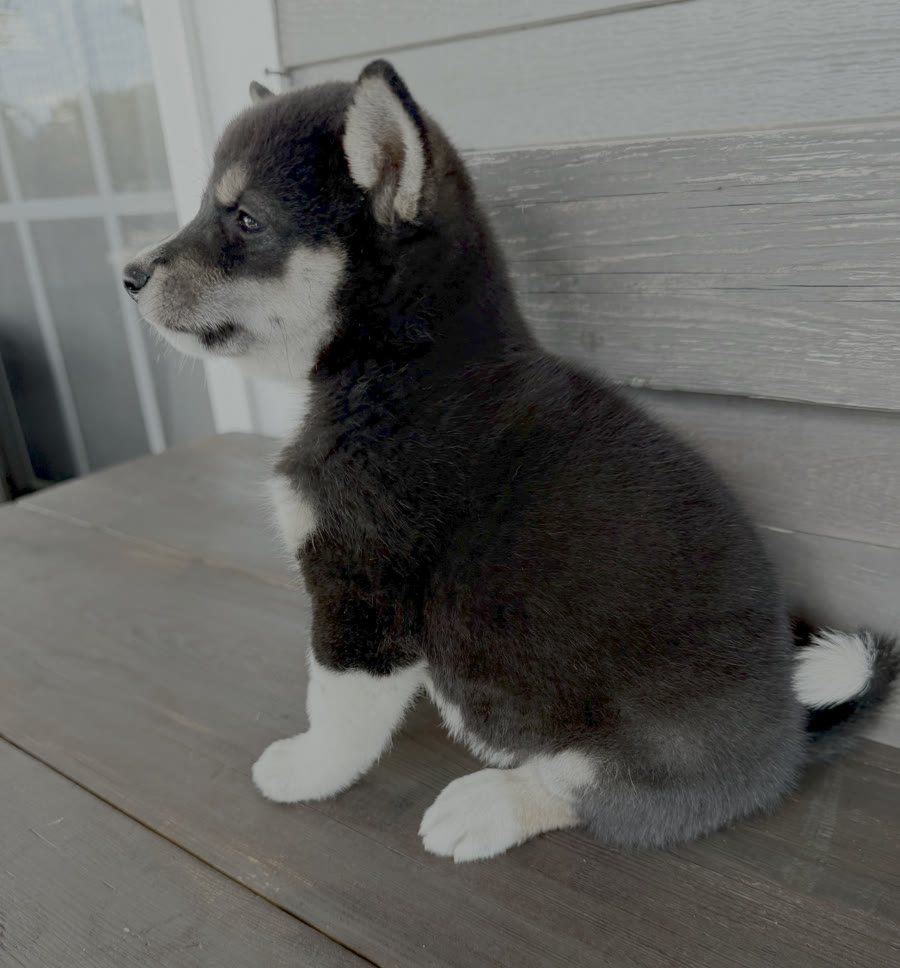
Tell us about your Shiba.
Tell us what is going on with your Shiba. We will reply within one business day and recommend the right program.
- What happens and when it started
- What you have tried so far
- Your goals and household routine
Training for a Shiba mind.
Start with your dog's motivation, routine, and the behavior you want to work on.

Independence
Your Shiba brings their own preferences. Discuss what motivates them and how training can fit into everyday life.
Prey drive and escape behavior
Tell us about slipping equipment, door dashing, or chasing. Include your current containment setup when you ask about training.
Recall difficulty
Discuss your dog's current recall, practice routine, and surroundings. Agree on realistic goals before considering offleash activity.
Shibas are independent. Training needs to account for their motivation, their routine and the behavior you are working on.
Not sure a Shiba is the right fit? See what makes a good Shiba home →
Three ways to work with us.
Pick the format that matches your dog and your situation. Not sure? Start with a 15-minute consult and we will tell you.
Private 1-on-1
$150 / sessionBest for: specific behavior issues, leash work, recall, foundation skills.
Zoom consult or in-person session. Custom plan after the first call. Bundle 4 sessions for $600.
- 1-hour private session with a trainer
- Whole family included so the dog learns from everyone
- Text support between sessions
Board and train
Pricing: askBest for: dogs whose owners need a stronger foundation before continuing at home.
A multi-week stay with daily structured work, weekly video updates, and transition sessions for continuing at home.
- Skill plus behavior modification with daily reinforcement
- Weekly progress reports with video
- Family transition sessions throughout
Behavior modification
Pricing: askBest for: Shibas with established behavior patterns that 1-on-1 sessions alone won't shift.
Long-form work on reactivity, resource guarding, separation distress, escape behavior, and severe leash reactivity. Honest screening on intake.
- Structured multi-week program
- Veterinary collaboration when warranted
- 90 days of post-program text support
When we're not the right fit.
No trainer is right for every situation. We will tell you upfront if your case is one of these:
- Aggression cases involving a bite history. These need a veterinary behaviorist, not us. Our Shiba aggression guide explains why.
- Dogs needing 24/7 medical supervision. We are not equipped to manage active medical needs in a training environment.
- Owners looking for a one-session fix. Behavior change takes weeks to months of consistent work. There is no shortcut.
- Households that won't participate in homework between sessions. The training only sticks if the family does the daily reps.
- Non-Shibas. We only train Shibas. Plenty of excellent trainers handle every other breed.
If your situation is on this list, we will tell you upfront and refer you to someone better suited.
Your training path.

Consult call
15-minute call to understand the dog and the goals.
Assessment
In-person or video assessment of the actual behavior.
Custom plan
Written plan with goals, exercises, and a timeline.
Sessions
Run the plan together with structured reps and feedback.
Handoff and followup
Owner takes the lead. Text support continues after.
Tell us what is happening.
Describe what happens, what leads up to it and what you have tried. Discuss realistic goals and a suitable next step for your individual dog.
Explore behavioral evaluationEscape behavior and recall.
Slipping equipment, darting through doors, finding fence gaps or not returning when called. Discuss current safety arrangements and realistic goals.
Resource guarding.
Describe what the dog guards, who approaches and the response you see. Include any snapping or bite history.
Reactivity on walks.
Share the triggers, distance, setting and how your Shiba responds around other dogs or people.
Separation distress.
Tell us what happens when your Shiba is left alone, how soon it starts and what changes you have tried.
Vet and grooming handling.
Describe your dog's response to touch, restraint, grooming and appointments, including any existing veterinary guidance.
Your household's part.
Discuss the routine, the people involved and the time available to practice between sessions. Ask which approach fits the individual dog.
What it costs.
Frequently asked.
How many sessions does my Shiba need?
It depends on the goal. Foundation skills like recall, leash manners, and crate comfort usually take 4 to 6 sessions plus daily homework. Behavior modification takes longer, often 8 to 16 weeks of structured work. We give you an honest timeline on the consult call.
Do you take aggressive dogs?
It depends. If your dog has a bite history toward people, we are not the right fit, see the limits section and we will refer you to a veterinary behaviorist. Dog-on-dog reactivity, resource guarding, and severe leash reactivity we do work with, in the behavior modification program.
What if we don't see results?
We give you weekly written progress notes so you see the trajectory clearly. If the plan is not working, we revisit the plan with you, not double down on more sessions. Behavior is not linear and we are transparent when something needs to change.
Can you do remote-only training?
Yes. Zoom consults work well for diagnostic calls, plan reviews, and many foundation skills. Some work, especially leash reactivity and recall in real environments, needs in-person sessions to do well.
Do you use e-collars?
No. We are a positive-reinforcement program. Shibas respond very well to high-value reinforcement and clear structure. We do not use shock or prong collars, and we are happy to explain why if you want the long version.
Discount for NorCal Shiba adopters?
Yes. Adopters from us get $25 off Zoom calls and $50 off in-person sessions, plus priority scheduling. Email us with the dog's name.
Final terms for adoption, surrender, boarding, training, and the Lifetime Placement Promise are in the written agreements signed in person. If anything here conflicts with a signed agreement, the signed agreement controls.
The NorCal Shiba Training Guide.
Choose a chapter. Start with understanding the breed, build everyday skills, then explore daily life and behavior topics.