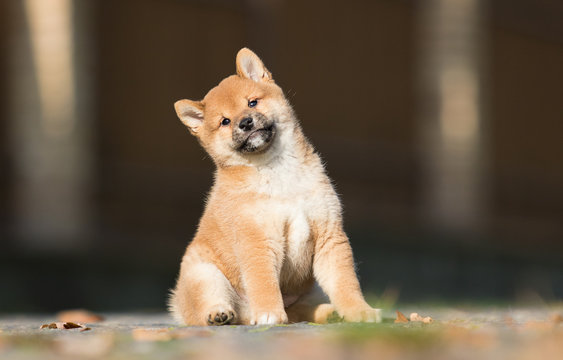
Puppies are babies, which means they rely on their fur parents to provide them with the necessities to survive and grow into healthy adult dogs.
These necessities include good food, training, socialization, toys, a comfortable place to sleep, and veterinary care like vaccinations.
Dog vaccinations protect your Shiba Inu from diseases that are dangerous, costly to treat, and in several cases fatal, which is why a current vaccine record is one of the cheapest forms of insurance you will ever buy for your dog. The core series starts in puppyhood, runs on a schedule your vet sets, and gets topped up with boosters through adulthood. Some vaccines are non-negotiable for every dog, and some depend on where your Shiba lives and how they spend their days. If you adopted an adult Shiba with an unknown history, your vet can start a fresh series or run a titer test to see what protection is already there.
The short version, in four parts:
- Core vaccines (distemper, adenovirus, parvovirus, parainfluenza, and rabies) are for every Shiba, no exceptions.
- Non-core vaccines (Bordetella, Leptospirosis, Lyme, canine influenza) depend on lifestyle and region.
- Puppies need a series, not a single shot, because protection from their mother fades on its own timeline.
- Adults need boosters, and rabies is a legal requirement in California.
What are dog vaccinations?
Dog vaccinations are vital in shielding your dogs from dangerous and fatal diseases. These help strengthen your dog’s immune system by mildly containing antigens that copy disease-causing organisms.
Take note, these do not cause the disease, but what they do is stimulate the immune system and introduce and have the body recognize the antigens present.
If your pet is exposed to the actual disease, its body will recognize it and be prepared to fight it off or lessen its severity.
Importance of vaccinations in puppies
The puppy stage is the most vulnerable that’s why there are vaccines required to be injected as early as six weeks.
When they are still with their mother, they get temporary protection through her milk, but once they are weaned, it is suggested to not mix them with other dogs until after their second vaccination.
This is why it is important, especially when you are adopting, to ask for their vaccination details to know what they had and what is still needed.
What are the core dog vaccines?
Dog vaccines are split into two categories: core and non-core vaccines.
Core vaccines are required for all dogs and puppies and include:
- Canine distemper/adenovirus-2 (hepatitis)/parvovirus/parainfluenza vaccine (given as one vaccine, commonly referred to as DA2PP, DHPP, or DAPP)
- Rabies virus vaccine
These vaccines fight against:
- Distemper: A highly contagious and fatal disease that affects the respiratory, gastrointestinal, and nervous systems. Symptoms are fever, coughing, vomiting, and seizures. If left untreated, it will result in death.
- Canine Parvovirus (Parvo): A virus that mainly affects puppies. Its symptoms are loss of appetite, vomiting, fever, and diarrhea. It requires immediate veterinary care.
- Canine Hepatitis: A viral infection that affects multiple organs in dogs. Signs can range from slight fever to vomiting, jaundice, stomach enlargement, and pain in the liver.
- Rabies: A fatal disease transmitted through the bite of a rabid or infected animal. It affects the central nervous system and causes anxiety, hallucinations, paralysis and worse, death.
Non-core vaccines are also known as lifestyle vaccines. These are optional and given depending on the location, lifestyle, or if your dog is under a specific risk.
Non-core vaccines include:
- Bordetella bronchiseptica (kennel cough) vaccine
- Leptospira (Leptospirosis) vaccine
- Borrelia burgdorferi (Lyme) vaccine
- H3N2/H3N8 (canine influenza) vaccines
These vaccines fight against:
- Bordetella: Also known as kennel cough, a contagious infection that causes coughing and in rare instances, seizures and death.
- Leptospirosis: A bacterial infection found in soil and water. Signs are fever, vomiting, abdominal pain, diarrhea, and severe weakness.
- Lyme Disease: A tick-borne bacterial infection that affects the joints, heart, and other organs. Common symptoms are limping and swollen lymph nodes.
- Canine Influenza: A virus that contributes to kennel cough. This is highly recommended for dogs that often interact with other dogs.
Do vaccines have adverse reactions in dogs?
Vaccinations, medications, and even vitamins can have adverse reactions in dogs. It doesn’t usually happen but in some rare cases, it does. This is why it is important to monitor your dog after every vaccination.
Common side effects after vaccination are discomfort or swelling at the injection area. Your dog may also develop a mild fever and loss of appetite and energy for a day.
But if these signs persist for more than 24 hours, consult your veterinarian.
More serious reactions can happen within minutes to hours after the vaccination. Immediately go to your veterinarian if any of the symptoms occur:
- Diarrhea
- Vomiting
- Swelling of the muzzle around the face and neck area
- Difficulty in breathing
- Hives
- Itchy skin
A Shiba owner's vaccine timeline, from puppy to senior
Vaccination is not a single event. It is a schedule that changes as your Shiba grows, and the pieces fit together in a specific order.
- The puppy series. Puppies do not get one shot and walk away protected. They get a series spaced a few weeks apart, usually starting around six to eight weeks and continuing until roughly four months. The reason is biological: antibodies from the mother's milk protect a puppy early on, but they also block a vaccine from taking hold, and that maternal protection fades at a different time in every litter. The series covers the window where nobody can predict the exact day a puppy becomes vulnerable.
- Rabies and California law. Rabies is not optional. California requires dogs to be vaccinated against rabies, and the first shot is typically given around three to four months, followed by a booster and then a recurring schedule set by state law and the vaccine product. Keep the certificate. You will need it for licensing, boarding, and travel.
- The first adult booster year. Roughly a year after the puppy series wraps, your Shiba gets a booster round that locks in longer-term protection. This is the visit where your vet also resets the clock on the core vaccines and decides which ones move to a multi-year cycle going forward.
- Non-core vaccines, matched to the life. Bordetella (kennel cough) matters if your Shiba boards, does daycare, or visits the groomer. Leptospirosis matters more in areas with wildlife, standing water, or rural exposure. Lyme depends on tick load in your region. Canine influenza depends on how much your dog mixes with other dogs. None of these are one-size-fits-all, and your vet weighs your dog's actual routine before recommending them.
- Titer testing and the adopted adult. Many Shibas that come through rehoming arrive with partial or missing records. A titer test measures existing antibody levels so your vet can decide whether to boost or start fresh, rather than guessing. This is standard, not exotic, and it spares an older dog from unnecessary shots.
- The 24-hour watch window. Most dogs feel a little tired or sore for a day after a shot, and that is normal. The signs that warrant a call are the ones that escalate: facial swelling, hives, vomiting, difficulty breathing, or collapse. These are rare but real, which is why the first few hours after a vaccine are worth staying home for rather than heading straight to a long errand.
A composite from the kind of case we see often: a family adopts an adult Shiba with a single crumpled vaccine card that lists two shots and no dates. Instead of restarting everything, their vet runs a titer, confirms distemper and parvo protection is already solid, brings rabies current for the law, and adds Bordetella because the dog will board a few times a year. Clean, minimal, and built around that specific dog. For how these costs fold into the bigger picture of owning the breed, see our breakdown of what a Shiba Inu costs in California, and for the disease itself, our post on rabies in Shiba Inu goes deeper than we can here.
What vaccine records tell us when a Shiba comes through our program
Across 250+ Shibas placed since 2019, the vaccine record is one of the first things we look at, and it tells us more than a list of shots. A complete record usually means a dog that had steady care. A blank one is not a red flag on the dog, it is just a signal that the incoming vet exam has to do more work.
What has worked for us: we do not assume, and we do not double up out of caution. Every incoming Shiba is seen by our partner vet, records are read carefully, and gaps are closed on a plan the vet sets, not on a hunch. When a dog's history is genuinely unknown, a titer test has saved more than one older Shiba from a stack of shots it did not need. When records are partial but plausible, the vet decides what to trust and what to redo.
What has not worked, and what we warn adopters about: chasing a perfect schedule off the internet. Vaccine timing is one of those areas where the general advice is a starting point and the real answer depends on the individual dog, its age, its health, and where it will live. We hand every family the dog's records at homecoming and tell them the same thing every time: take this to your own vet in the first two weeks and let them build the calendar. If you are still deciding whether the breed fits your life at all, our rehoming and adoption page lays out how the whole process works, health screening included.
Related questions
Do indoor Shiba Inus still need core vaccines?
Yes. Core vaccines and rabies protect against diseases that travel on shoes, in soil, and around the vet's own parking lot. An indoor life lowers exposure to some non-core risks like kennel cough, but it does not remove the core threats, and rabies is a legal requirement in California regardless of how much time your Shiba spends inside. Ask your vet which non-core shots your dog can reasonably skip.
Are annual boosters still the right schedule for a Shiba Inu?
For many core vaccines, modern protocols run on a multi-year cycle for healthy adult dogs rather than every single year, while some non-core shots stay annual. Rabies timing is set by state law and the product used. The schedule depends on your dog's age, health, and lifestyle, so let your vet build the calendar rather than defaulting to everything every year.
My rescue Shiba came with no vaccine records. What should I do?
Bring whatever paperwork you have to your vet and ask about starting a fresh core series or running a titer test, which measures existing antibody levels. Many adult Shibas arrive with partial or unknown histories, and vets handle this constantly. Do not guess or double-dose on your own; your vet will set a safe plan based on the dog's estimated age and condition.
What to read next
If you are weighing the breed before you commit, start with our honest guide to whether a Shiba Inu is right for you. For the disease behind the most important shot, read rabies in Shiba Inu, what you need to know, and for the everyday health picture in a boarding setting, our post on a day at NorCal Shiba boarding shows how we track each dog. When you are ready to adopt, our rehoming page walks through the health screening every dog gets first.
Looking to adopt or rehome a Shiba?
Rescue-first rehoming with vetted families, 1-year health guarantee, lifetime support.